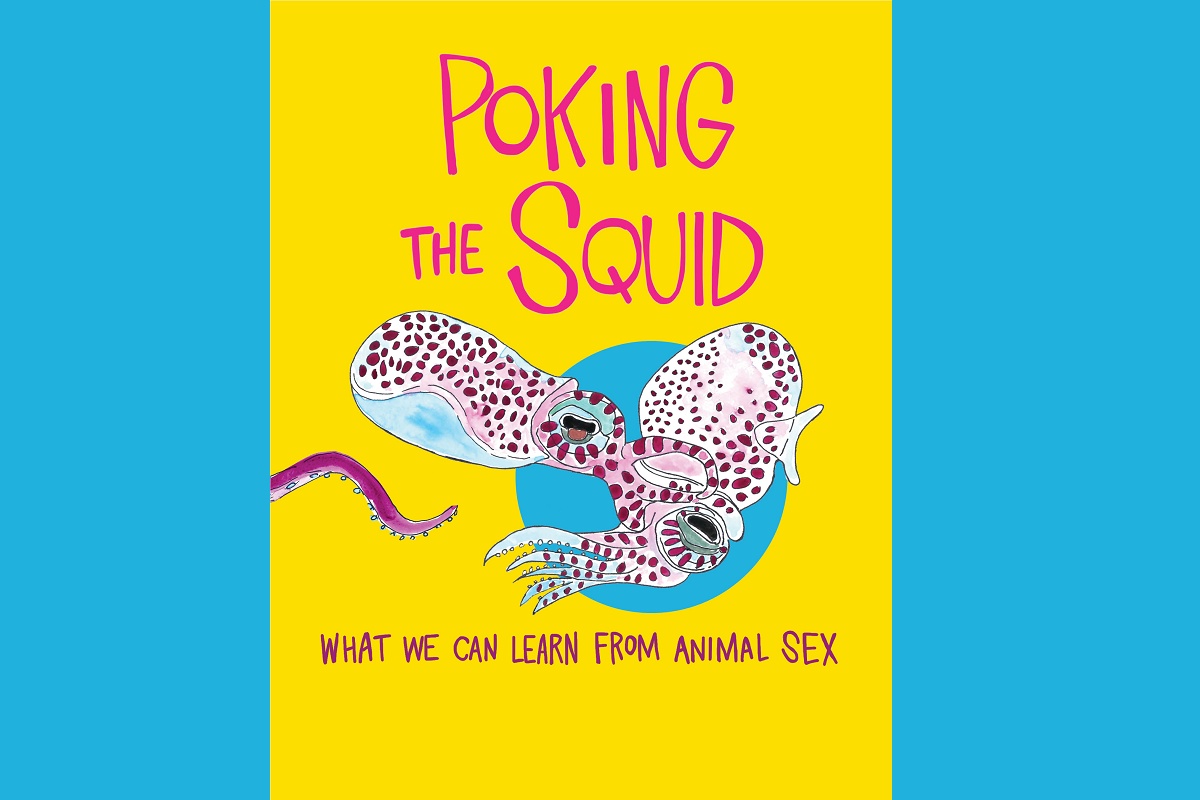
Poking the Squid: What We Can Learn from Animal Sex

A vast and delightfully diverse journey through the sex lives of animals.

For too long, science has ignored and obscured the multiplicity of animal sexual behavior. With vivid, often funny, and always beautiful watercolor illustrations in a work of graphic nonfiction, artist Perrin Roosevelt Ireland examines how animals express and have sex.

Ireland takes us on a wild biodiversity ride from queerness, infidelity, and divorce to consent, sexual cannibalism, and sex change. She interviews researchers at the edge of this new science and brings readers along as she learns the latest discoveries.

In vivid comics of seahorse dads, polygamous albatross, and gender-fluid barnacles, Poking the Squid illustrates for us a vibrant and erotic earth that we are just beginning to grasp. By illuminating and celebrating animal diversity, she asks us to embrace our own.

Perrin Roosevelt Ireland is an artist and environmentalist. Her work has appeared at the Franklin D. Roosevelt Library and the Mystic Seaport Museum and in Discover, Nature, Scientific American, and the Rumpus. She lives in Brooklyn, New York.

  • Event Date

    Wednesday, July 8, 2026

  • Start Time

    7:00 pm Pacific

  • Tickets

    Door

    General Admission: $25

    get tickets

    Ticket fine print

    We at Science on Tap are committed to offering educational opportunities to adults who want to learn. If the ticket price is a hardship for you, please write to us and we're happy to provide reduced-price tickets to those who request them.

  • Venue

    Kiggins Theatre

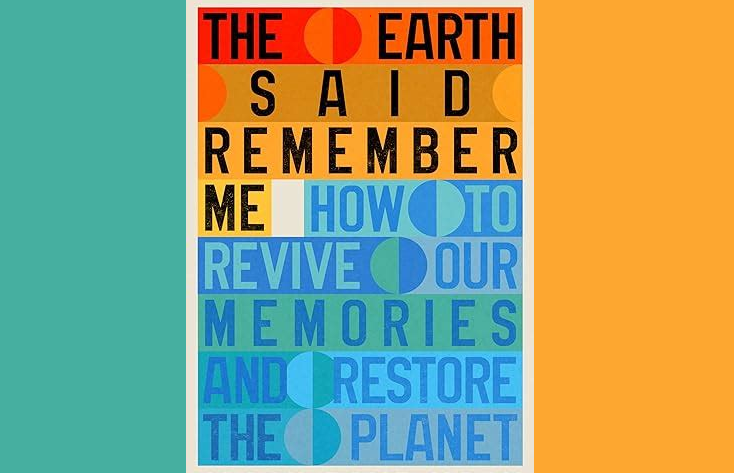
How to Revive Our Memories and Restore the Planet

As the climate emergency worsens and biodiversity shrinks, we humans get used to it—we adapt, we normalize, we forget. Scientists call this “shifting baseline syndrome” and warn that it’s why we are increasingly sleepwalking toward disaster.

In this positive and inspiring manifesto, the environmental activist and longtime editor-in-chief of Sierra magazine Jason Dove Mark offers an antidote, focusing on four simple but powerful rules that everyone can use to resist environmental amnesia: 

Go outside. Bear witness. Make a record. Pass it on. 

Mark makes the case for easy, everyday practices that can help us “remember the Earth” and support environmental conservation, restoration, and rewilding. And he shares moving examples of citizen scientists, birdwatchers, mountain climbers, and fishermen across the country who are putting them into practice. The Earth Said Remember Me: How to Revive Our Memories and Restore the Planet is a hopeful, achievable prescription for protecting the planet, one citizen at a time.

Jason Dove Mark has served as editor-in-chief of Sierra and editor of Earth Island Journal. His writing has appeared in the New York Times, Los Angeles Times, San Francisco Chronicle, and the Atlantic. He lives in the Pacific Northwest.

  • Event Date

    Wednesday, September 23, 2026

  • Start Time

    7:00 pm Pacific

  • End Time

    8:30 pm Pacific

  • Tickets

    Door

    General Admission: $25

    get tickets

    Ticket fine print

    We at Science on Tap are committed to offering educational opportunities to adults who want to learn. If the ticket price is a hardship for you, please write to us and we're happy to provide reduced-price tickets to those who request them.

  • Venue

    Alberta Rose Theatre
K9 Conservationists: Dogs Helping Wolf Research

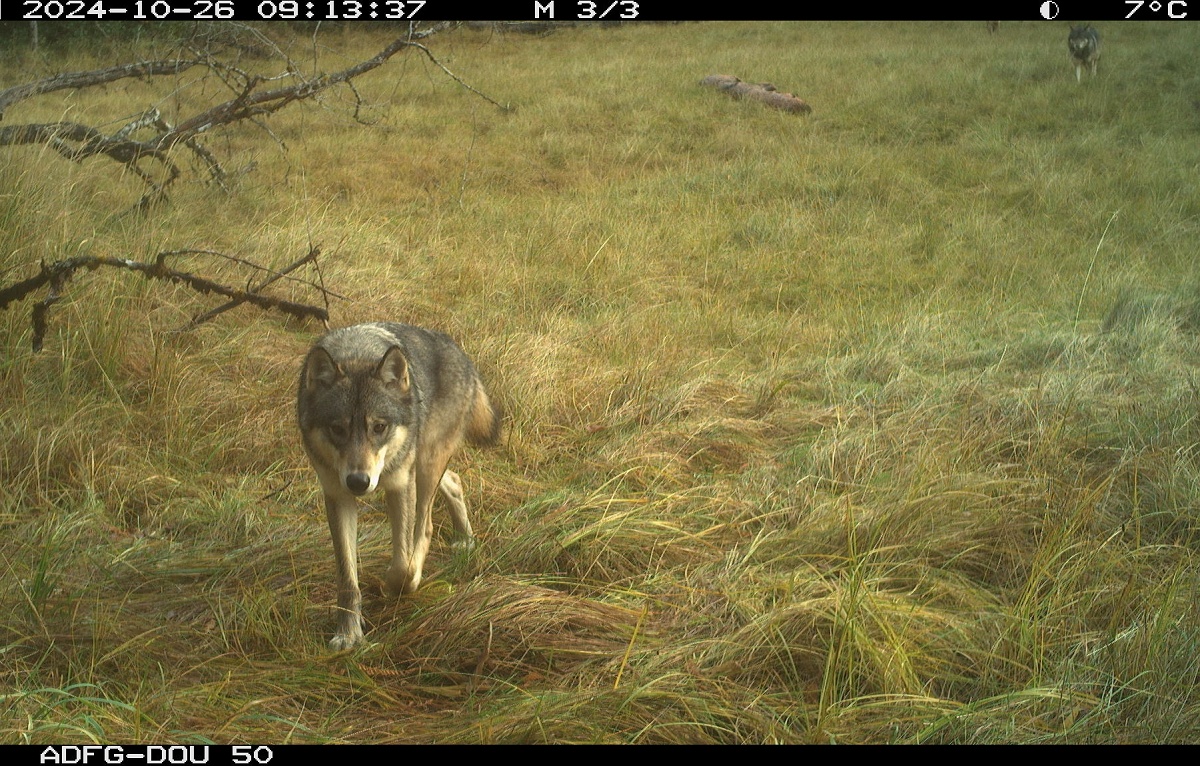
In the 1960s, biologists introduced wolves to Coronation Island in Alaska after deer overran it and decimated the forest understory. The wolves ate all the deer and, with nothing left to eat, starved. About 50 years later, the wolves of Pleasant Island Alaska found themselves in a similar situation: living on an island in the Pacific with no deer left to eat. The wolves of Pleasant Island, however, have not died out. Instead, they’ve broadened their palate to include sea otters. 

What scientists don’t know is how widespread this surf-and-turf phenomenon is. How does the complex web of wolf, deer, sea otter, hundreds of islands and a massive logging industry interact?

In 2024, a rescued border collie named Barley joined the investigation. Employed with K9 Conservationists, Barley is a professional scat detection dog with three field seasons under his belt. With the “understudy” dogs Tooma, Niffler, and Skipper, they have located over 1,500 wolf scats across 25 islands. Back at OSU, Kayla Fratt works to extract the DNA of the wolves and their prey from the fecal samples. She then uses cutting-edge genetic techniques, lasers shot from airplanes, and an awful lot of math to tell the story of the Tongass National Forest through the bum of a wolf. 

Bonus ending: This talk will conclude with a live demonstration from one of Kayla’s trained conservation detection dogs in the theater!!

Kayla Fratt is a PhD student at Oregon State University and a co-founder of K9 Conservationists. She has dedicated her life to training rescue dogs to help conservation biologists. Her research in Alaska is funded by the Alaska Department of Fish and Game and her PhD studies are funded in part by the National Science Foundation. 

  • Event Date

    Wednesday, October 28, 2026

  • Start Time

    7:00 pm Pacific

  • End Time

    8:30 pm Pacific

  • Tickets

    Door

    General Admission: $25

    get tickets

    Ticket fine print

    We at Science on Tap are committed to offering educational opportunities to adults who want to learn. If the ticket price is a hardship for you, please write to us and we're happy to provide reduced-price tickets to those who request them.

  • Venue

    Alberta Rose Theatre
AI in Education (and Beyond)

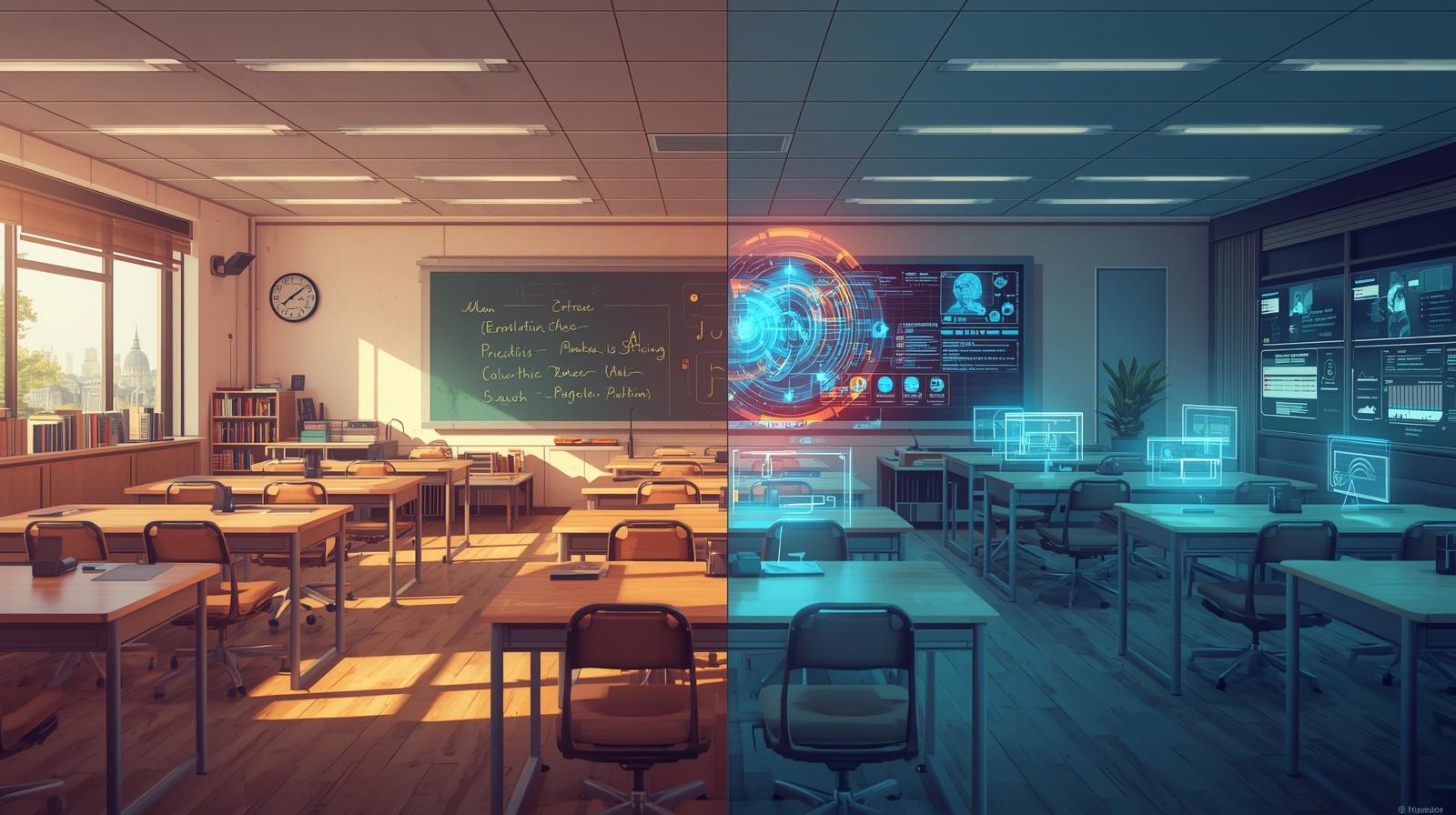
How is artificial intelligence reshaping education – and our lives?

From a quick tour of where the technology came from, to what it actually takes to make AI useful (and accessible) in real classrooms, we’ll explore both the promise and the pitfalls. Expect a balanced, engaging look at practical opportunities, real concerns, and the ethical questions that will define the future of learning in an AI-infused world.

Join Steven Bedrick (nerd and badass researcher) and Jackie Wirz (nerd and tech ED) for a lively, approachable Science on Tap conversation.

Jackie Wirz, PhD, (WIS Advisory Board Member!) is a biochemist by training, a nonprofit executive by profession, and a teller of stories. She is a data management specialist, academic administrator, and as a nonprofit executive. In her spare time she is the MC (mistress of ceremonies) for a variety of events including Science on Tap!

Dr. Steven Bedrick is an Associate Professor at OHSU where his research focuses on the intersection of natural language processing and healthcare. He is also interested in the societal and ethical implications that arise from speech and language technology

  • Event Date

    Wednesday, January 14, 2026

  • Start Time

    7:00 pm Pacific

  • End Time

    8:30 pm Pacific

  • Tickets

    Door

    General Admission: $25

    get tickets

    Ticket fine print

    We at Science on Tap are committed to offering educational opportunities to adults who want to learn. If the ticket price is a hardship for you, please write to us and we're happy to provide reduced-price tickets to those who request them.

  • Venue

    Kiggins Theatre

Your AI Lover: Reaching for Romance Across the Net

Humans are inherently social, and for many, romantic love represents the pinnacle of emotional connection. Yet, not everyone finds a romantic partner or experiences the kind of connection they seek. Some may turn to AI for solutions.

From virtual companions to AI-driven therapists, artificial intelligence is already reshaping how we communicate, alleviate loneliness, and express desire. And as AI continues to evolve, it could become more than just a tool in our lives: it could become a romantic partner.

Dr. L. Kris Gowen will delve into the science of love, belonging, and happiness to explore whether AI mitigates loneliness or exacerbates it. Using what we already know about the intersections of emotional connection and technology, she will reflect on whether humans can truly fall in love with an AI, and can an AI reciprocate? What might a human-AI romance look like, and what could it mean for the future of intimate relationships?

L. Kris Gowen is a queer sexuality educator who has spoken nationally and internationally on the intersections of sex and technology. She has authored textbooks, teacher guides, and lesson plans to support inclusive school-based sexuality education, based in science and curiosity. When not thinking about sex and relationships, she lives and breathes all things karaoke. 

  • Event Date

    Wednesday, February 25, 2026

  • Start Time

    7:00 pm Pacific

  • End Time

    8:30 pm Pacific

  • Tickets

    Door

    General Admission: $25

    get tickets

    Ticket fine print

    We at Science on Tap are committed to offering educational opportunities to adults who want to learn. If the ticket price is a hardship for you, please write to us and we're happy to provide reduced-price tickets to those who request them.

  • Venue

    Alberta Rose Theatre
Boosting Biodiversity with Insect-Friendly Gardens

Insects are essential to life on Earth, but insect populations are in trouble. However, there is hope in our own yards. There are many things you can do to make a real difference in improving insect biodiversity right where you live. Our gardens can host an astonishing variety of insect life—if we provide the habitat, we can make a real difference.

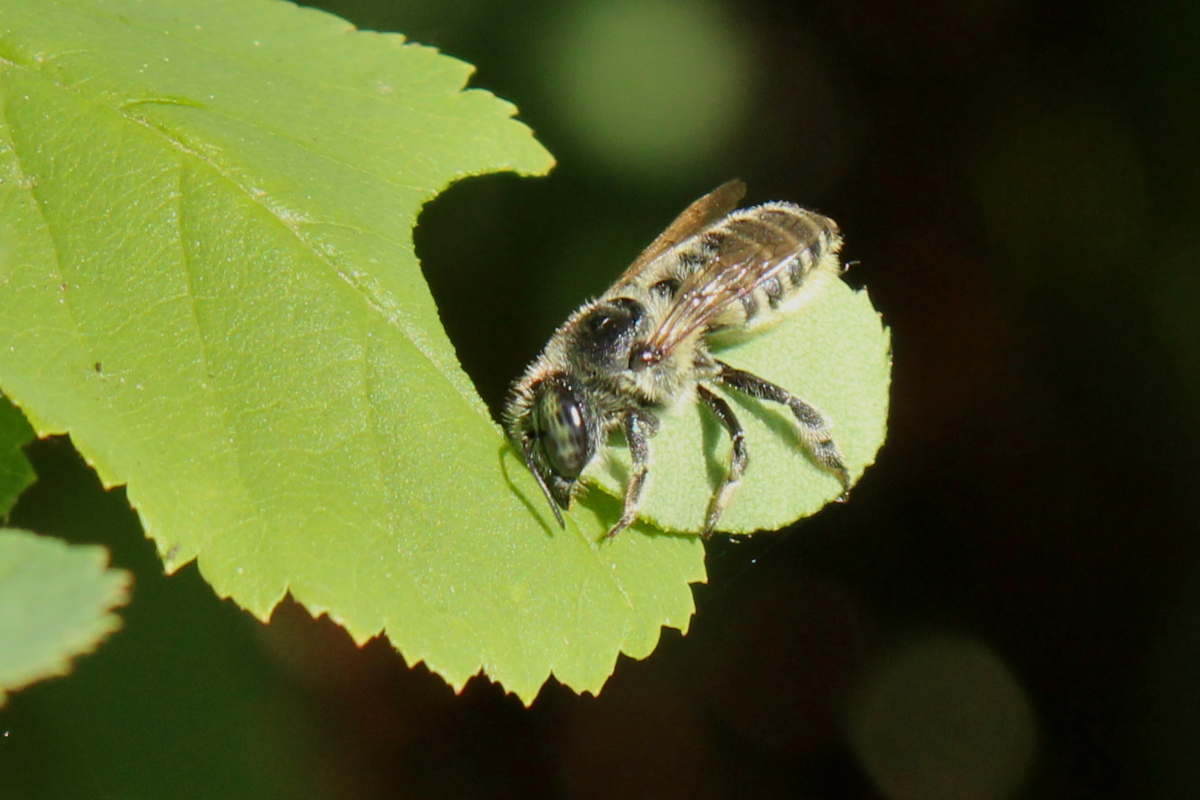
Five years ago, Amy Campion began making over her Portland garden to better serve the insects sharing her space. She was amazed by the creatures that soon showed up. She saw leafcutter bees harvesting petals to make nurseries, grass-carrying wasps building their distinctive nests, newly minted dragonflies taking their first flights. In all, she’s seen more than 400 insect species in her little 7,000 sq ft plot.

In this talk, you’ll learn 8 things you can do to create more insect-friendly habitat in your own garden, and you’ll meet some of the fascinating creatures that show up when you welcome them in. You’ll learn:

  • to appreciate aphids
  • to prioritize pollen over nectar
  • why you should feed caterpillars and with what
  • who’s living in your perennial stems
  • how to attract more “tickle bees” to your landscape, and
  • how to control mosquitoes in your pond (without fish!)

Amy Campion grew up in Minnesota, but she became a gardener in the Cincinnati area, where she worked at a wholesale nursery for 16 years. In 2013, she moved to Portland, Oregon, and in 2017, Amy co-authored Gardening in the Pacific Northwest: The Complete Homeowner’s Guide with Paul Bonine. You can follow her on her blog: amycampion.com, on Instagram: @campionamy, and on iNaturalist: @amycampion.

  • Event Date

    Wednesday, April 8, 2026

  • Start Time

    7:00 pm Pacific

  • End Time

    8:30 pm Pacific

  • Tickets

    Door

    General Admission: $25

    get tickets

    Ticket fine print

    We at Science on Tap are committed to offering educational opportunities to adults who want to learn. If the ticket price is a hardship for you, please write to us and we're happy to provide reduced-price tickets to those who request them.

  • Venue

    Kiggins Theatre

Garden to Gut: The Original Farm-to-Table

If the farm-to-table movement has taught us anything, it is that knowing where your food comes from can make a difference in the local community (and comes with delicious flavor!). Your microbiome–as local a community as you can get!–would also benefit from such care and attention.

How do your immune cells get their intel?
Who digests your food?
Who gave your food nutrients in the first place?

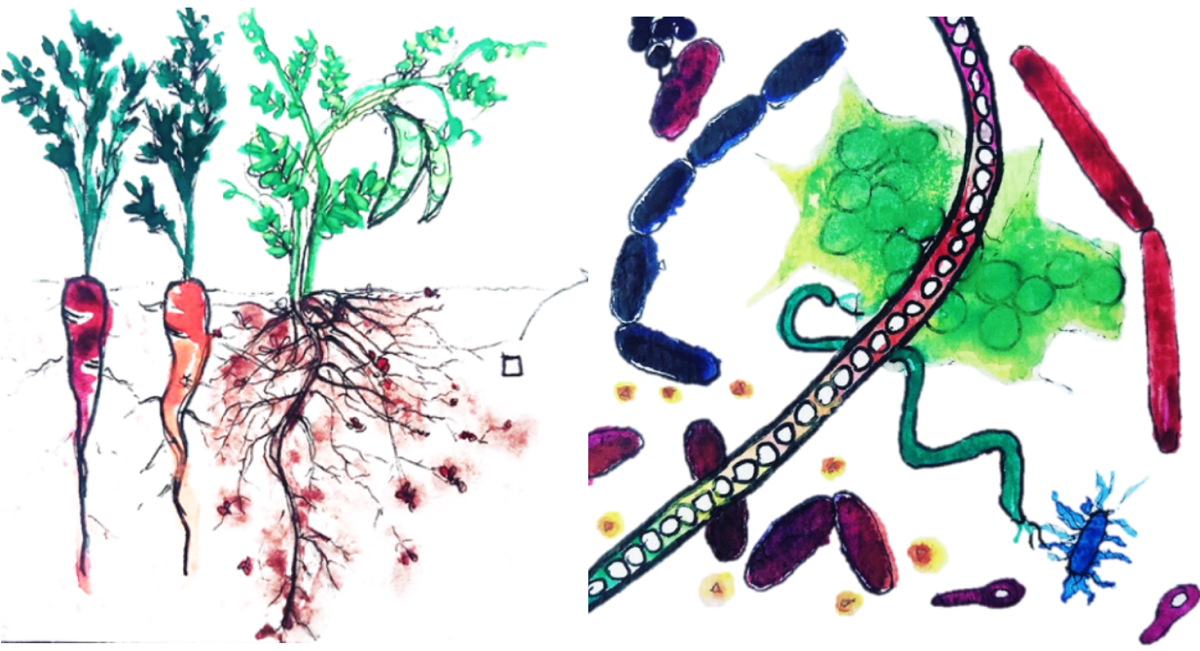
Food crops not only make their own phytochemical menu that add flavor to our lives, ward off caterpillars, etc, but plants, themselves, have their very own microbiome! From mycorrhizal connections, endophytic fungi, and nodule-forming nitrogen-fixing rhizobia, the interdependent nature of nature is an inspiration.

Come for a good “gut feeling” about your microbiome, stay to hear what soil and planetary health can offer. From microorganisms to macro-nutrients, from the garden to our guts, from the latest scientific discoveries to our beliefs, we will ask the question: what is possible by cultivating diverse communities?

Dr. Adrienne Godschalx teaches Microbiology at Lower Columbia College to aspiring nurses. Her career path has included flowers who mimic dung aromas, bean plants who make cyanide, and farmers who reduced their agrochemical use through regenerative practices. She attributes her inspiration and successes as an educator to her early experiences at Outdoor School. Follow her on Instagram.

  • Event Date

    Wednesday, March 11, 2026

  • Start Time

    7:00 pm Pacific

  • End Time

    8:30 pm Pacific

  • Tickets

    Door

    General Admission: $25

    get tickets

    Ticket fine print

    We at Science on Tap are committed to offering educational opportunities to adults who want to learn. If the ticket price is a hardship for you, please write to us and we're happy to provide reduced-price tickets to those who request them.

  • Venue

    Kiggins Theatre

Dementia Research: A Long and Winding Road

Back by popular demand and at the Aladdin Theatre!

Forty-seven million people worldwide are affected by dementias, causing memory loss, difficulties with planning, difficulties with language, personality changes, mood changes, and agitation. These diseases, including Alzheimer’s Disease, have devastating impacts on affected individuals, their families, and their friends. 

  • If everyone lived long enough, would we all develop some form of dementia? 
  • What causes dementia, and how does it progress?
  • Why did earlier clinical trials to treat dementia fail?
  • Do current treatments help?
  • What do new findings suggest about how to treat dementia?

Join us to explore these and other questions, as well as new insights into how dementias begin and possible ways to slow or even stop them.  

Dr. Larry S. Sherman is a Professor of Neuroscience at the Oregon Health & Science University (OHSU). He is also the President of the Oregon and SW Washington Chapter of the Society for Neuroscience. He has over 120 publications related to brain development and neurodegenerative diseases including Alzheimer’s disease and multiple sclerosis. (You may remember him from our shows Music & the Brain and Neuroscience of Racism!)

  • Event Date

    Wednesday, April 29, 2026

  • Start Time

    7:00 pm Pacific

  • End Time

    8:30 pm Pacific

  • Tickets

    Door

    General Admission: $25

    get tickets

    Ticket fine print

    We at Science on Tap are committed to offering educational opportunities to adults who want to learn. If the ticket price is a hardship for you, please write to us and we're happy to provide reduced-price tickets to those who request them.

  • Venue

    Aladdin Theater

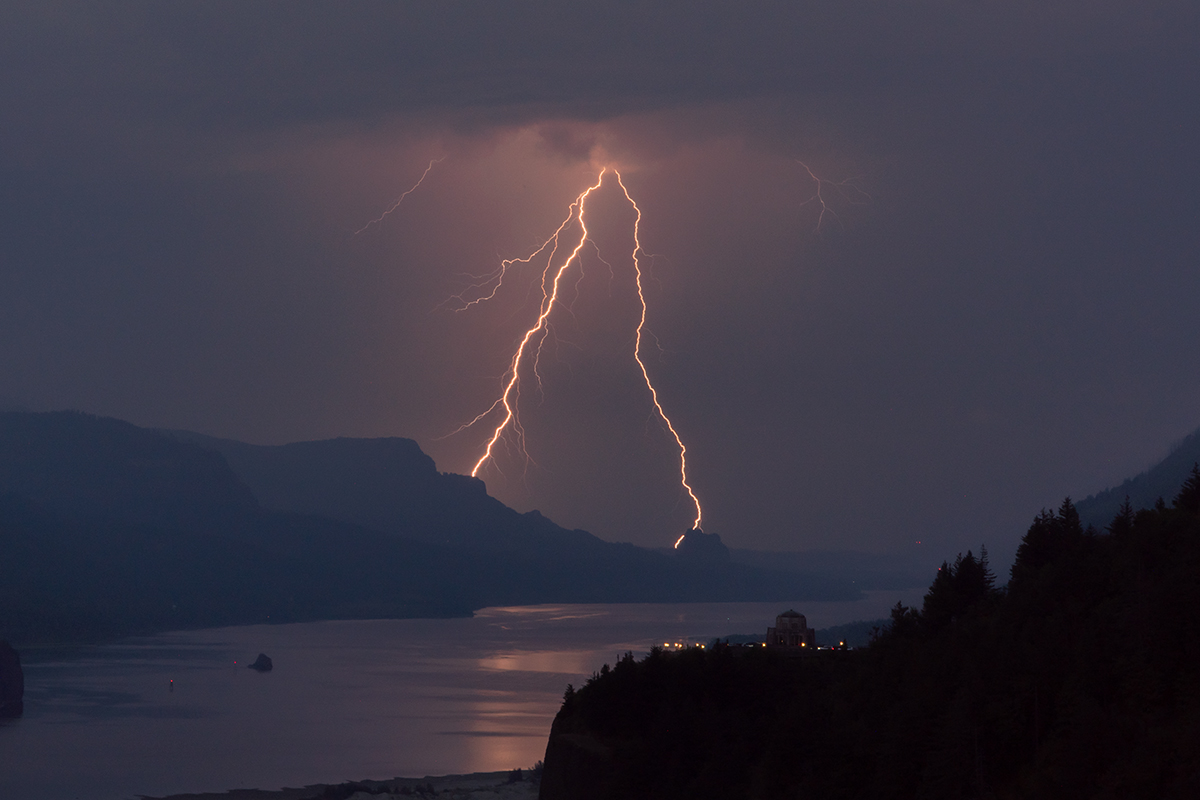
Storm Chasing in the PNW: Wet Cameras & Mist Opportunities

Extreme conditions are rare in the Pacific Northwest, but when the forecast hints at chaos, a small but dedicated group of storm chasers and weather geeks across the northwest spring into action, ready to capture the extraordinary.

Join us as we explore the most extreme weather that the Pacific Northwest has to offer through the lens of meteorologist and storm chaser Garret Hartung, including strong southerly windstorms, atmospheric rivers, cold core tornadoes, thunderstorms, floods, heavy snow, freezing rain, and extreme east wind events.

  • What makes these events unique to the PNW?
  • Why do we often miss out on some of the more extreme weather events seen elsewhere in the US?
  • What makes storm chasing here so particularly difficult?   

Garret Hartung is a Senior Meteorologist at Portland General Electric with more than five years of experience forecasting weather in the PNW. An avid storm chaser since 2016, he has pursued and documented extreme weather and other natural phenomena across much of the Central and Western US. He is also a proud graduate of OSU where he earned a B.S. in Earth Sciences with a focus on climate science and meteorology. 

  • Event Date

    Wednesday, March 25, 2026

  • Start Time

    7:00 pm Pacific

  • End Time

    8:30 pm Pacific

  • Tickets

    Door

    General Admission: $25

    get tickets

    Ticket fine print

    We at Science on Tap are committed to offering educational opportunities to adults who want to learn. If the ticket price is a hardship for you, please write to us and we're happy to provide reduced-price tickets to those who request them.

  • Venue

    Alberta Rose Theatre
Seeing the Big Picture: How the Brain Manipulates our Visual World

When we open our eyes, are we perceiving reality? Why do we fail to agree on the color of “The Dress” (that went viral in 2015)? Have you ever glanced at ticking clock and noticed the second-hand suddenly freeze for a split second?

Neuroscience research suggests that the brain evolved to make rapid, best-guesses about the objects in our environment, rather than create a one-to-one representation of the world. Through stories and demonstrations, Dr. Mark Pitzer will discuss some of the effects of this strategy and how our visual system can highlight some objects, delete others, and alter our conscious awareness in an attempt to help us navigate our visual world.

Mark Pitzer, Ph.D. is a neuroscientist at the University of Portland. For the last 25 years he has worked to better understand and treat diseases of the brain, including Parkinson’s and Huntington’s diseases. Currently, his lab studies how developmental influences in the womb can alter the number of dopaminergic neurons involved in movement and reward. Mark is also an award-winning teacher that uses the findings from the fields of learning and neuroscience to invoke enduring enthusiasm, curiosity and deep learning in his college students.  

(This is a repeat of a popular 2023 show, with some updates.)

  • Event Date

    Wednesday, February 11, 2026

  • Start Time

    7:00 pm Pacific

  • End Time

    8:30 pm Pacific

  • Tickets

    Door

    General Admission: $25

    get tickets

    Ticket fine print

    We at Science on Tap are committed to offering educational opportunities to adults who want to learn. If the ticket price is a hardship for you, please write to us and we're happy to provide reduced-price tickets to those who request them.

  • Venue

    Kiggins Theatre

Exploring Earth Songs with The Volcano Listening Project

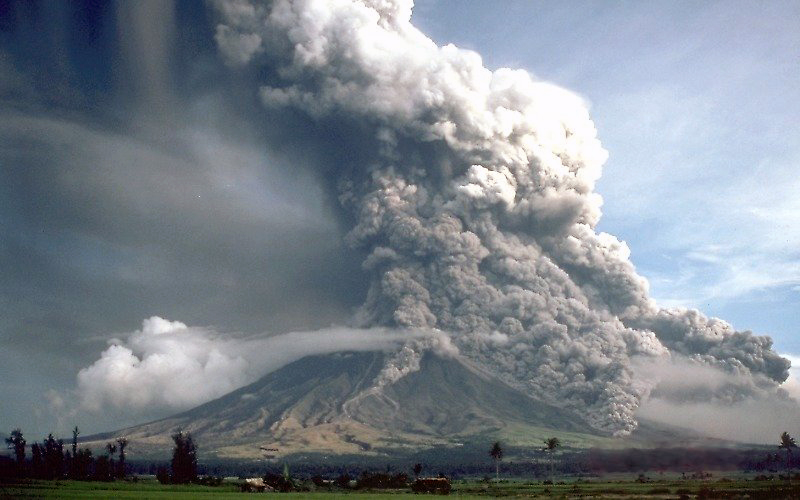
Volcanic eruptions can perturb global climate, build mountains, and reshape human civilizations. They can be deadly, but the deep roots of volcanoes also provide a foundry for critical minerals that enable modern society. In these ways and others, volcanoes have inspired scientists and artists alike for thousands of years.

The Volcano Listening Project explores connections between scientific research and artistic perspectives of volcanoes, developing tools to represent data through sound that draw equally from data science, volcanology, and new music.

Data ‘sonification’, the display of data using sound, is a powerful way to interact with and understand the complex signals recorded at volcanoes. By leveraging our ears as scientific sensors, it is possible to detect patterns and subtle signatures of deep, poorly understood, volcanic processes. In equal part, sonification of data can trigger an emotional response, and thus lead to compelling music.

This program will showcase the Earth songs of volcano music and explain the science behind it, led by volcanologist and violinist Leif Karlstrom. Joining Leif is an ensemble of internationally recognized musicians:

  • Todd Sickafoose (Grammy award-winning composer and bass player for Ani DiFranco),
  • Idit Shner (University of Oregon saxophone professor),
  • Adam Roskiewicz (Grammy nominated with The Modern Mandolin Quartet, as well as work with the Ger Mandolin Orchestra and bluegrass band Front Country), and
  • Johnny Rodgers (tuned glass virtuoso). 

Leif Karlstrom is an associate professor of Earth Sciences at the University of Oregon. He studies fluid motions in and on volcanoes, glaciers, landscape evolution, and geodynamics. He currently co-leads the Federal Advisory Committee to the U.S. Geological Survey National Volcano Early Warning System, and is also a violinist and composer, with recent national touring and recording credits including folk/bluegrass ensembles Front Country, The Lowest Pair, and Hot Buttered Rum.   


  • Event Date

    Wednesday, January 28, 2026

  • Doors Open

    6:00 pm

  • Start Time

    7:00 pm Pacific

  • End Time

    8:30 pm Pacific

  • Tickets

    Door

    General Admission: $25

    get tickets

    Ticket fine print

    We at Science on Tap are committed to offering educational opportunities to adults who want to learn. If the ticket price is a hardship for you, please write to us and we're happy to provide reduced-price tickets to those who request them.

  • Venue

    Alberta Rose Theatre
The Big Bang: No Longer the Beginning?

How did the Universe begin, and how did it get to be the way it is today?

Back in the 1920s, we discovered the galaxies beyond our own Milky Way. By the 1930s, we had realized the Universe was expanding. The Big Bang was formulated as a scientific theory in the 1940s, and overwhelming evidence supporting it came in by the 1960s.

However, if you think “the Big Bang” is how the Universe got its start, congratulations: you’re only 45 years out of date!

Learn how we discovered the Big Bang and the evidence for our new origin story: Cosmic Inflation. We’ll step back in time as far as we can go: before the Big Bang, and say as much as we can say about our ultimate cosmic origins while still remaining tethered to reality. We’ll also look at the current and (planned) future missions that could reveal even more about the biggest questions about where we all came from.

Take a tour of the Universe as we step forward in time: from that early inflationary period to the hot, dense, expanding-and-cooling state that the Big Bang demanded all those years ago, and then up to the present day. By the end, you’ll still know the Big Bang, but you won’t call it “the beginning” anymore! 

We welcome back Ethan Siegel, the PNW’s favorite astrophysicist. He spent many years as a professor of physics and astronomy at the University of Portland and Lewis & Clark college, and in 2015, became a full-time and award-winning science communicator featured in places like Big Think, Medium, Forbes, the Wall Street Journal, Scientific American and more. He is the author of six books, the latest — the Grand Cosmic Story, published by National Geographic.

  • Event Date

    Tuesday, November 4, 2025

  • Start Time

    7:00 pm Pacific

  • End Time

    8:30 pm Pacific

  • Tickets

    Door

    General Admission: $20

    get tickets

    Ticket fine print

    We at Science on Tap are committed to offering educational opportunities to adults who want to learn. If the ticket price is a hardship for you, please write to us and we're happy to provide reduced-price tickets to those who request them.

  • Venue

    Kiggins Theatre

The Neuroscience of Alcohol: 9 FAQs

Nine frequently asked questions related to alcohol and brain function, with an emphasis on adolescents-young adulthood. 

Why is 21 years the legal age to purchase alcohol?
Why does alcohol give you the spins?
Does alcohol truly relieve stress?
Do teenagers get hangovers?
What does alcohol do to sleep?
Are there long-term effects of adolescent drinking?
What’s wrong with drinking games?
How does alcohol cause memory impairments
Can drinking on an empty stomach increase intoxication?

Many lores and misrepresentations about beverage alcohol (ethanol) abound and are retold throughout human history. Decades of scientific studies on alcohol effects on brain and behavior, however, are just as intriguing. From myths to data, this talk will explore the complicated relationships humans have with alcohol.

Dr. Kathy Grant is Professor and Chief of Neuroscience at OHSU. She is a behavioral neuroscientist and studies mechanisms of stress-alcohol outcomes and risk factors such as genetics, adolescent vulnerability, sex differences and decision-making in chronic heavy drinking.

Dr. Aqilah McCane is an Assistant Professor in the Division of Neuroscience at OHSU. She is an expert in neural mechanisms of adolescent decision-making and studies the developmental consequences of adolescent alcohol use on neural circuitry as well as adolescent risk factors for alcohol misuse in adulthood.

  • Event Date

    Wednesday, November 19, 2025

  • Doors Open

    6:00 pm

  • Start Time

    7:00 pm Pacific

  • End Time

    8:30 pm Pacific

  • Tickets

    Door

    General Admission: $25

    get tickets

    Ticket fine print

    We at Science on Tap are committed to offering educational opportunities to adults who want to learn. If the ticket price is a hardship for you, please write to us and we're happy to provide reduced-price tickets to those who request them.

  • Venue

    Alberta Rose Theatre
Dementia Research: A Long and Winding Road

Forty-seven million people worldwide are affected by dementias, causing memory loss, difficulties with planning, difficulties with language, personality changes, mood changes, and agitation. These diseases, including Alzheimer’s Disease, have devastating impacts on affected individuals, their families, and their friends. 

  • If everyone lived long enough, would we all develop some form of dementia? 
  • What causes dementia, and how does it progress?
  • Why did earlier clinical trials to treat dementia fail?
  • Do current treatments help?
  • What do new findings suggest about how to treat dementia?

Join us to explore these and other questions, as well as new insights into how dementias begin and possible ways to slow or even stop them.  

Dr. Larry S. Sherman is a Professor of Neuroscience at the Oregon Health & Science University (OHSU). He is also the President of the Oregon and SW Washington Chapter of the Society for Neuroscience. He has over 120 publications related to brain development and neurodegenerative diseases including Alzheimer’s disease and multiple sclerosis. (You may remember him from our shows Music & the Brain and Neuroscience of Racism!)

  • Event Date

    Wednesday, October 8, 2025

  • Start Time

    7:00 pm Pacific

  • End Time

    8:30 pm Pacific

  • Tickets

    Door

    General Admission: $20

    get tickets

    Ticket fine print

    We at Science on Tap are committed to offering educational opportunities to adults who want to learn. If the ticket price is a hardship for you, please write to us and we're happy to provide reduced-price tickets to those who request them.

  • Venue

    Kiggins Theatre

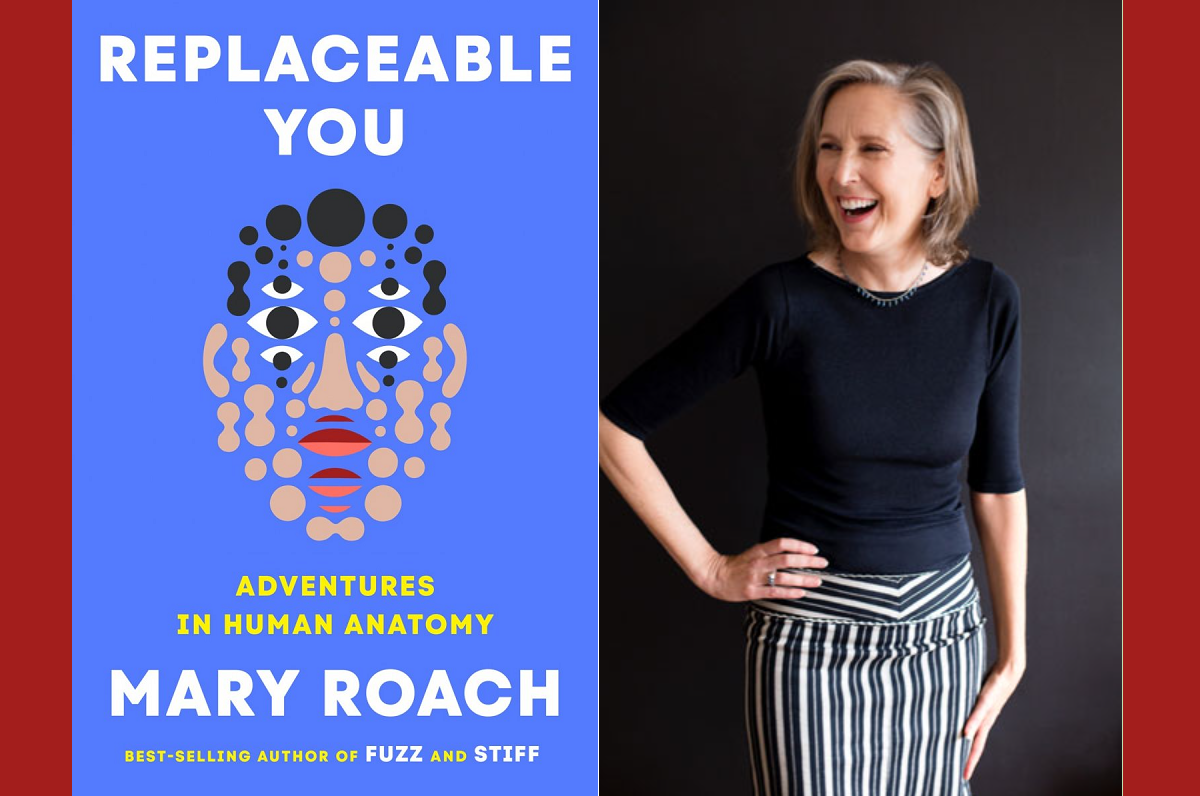
Mary Roach – Replaceable You: Adventures in Human Anatomy

Join us for an interview (now a full-on tradition) with the friend-of-Science-on-Tap Mary Roach about her latest book!

The body is the most complex machine in the world, and the only one for which you cannot get a replacement part from the manufacturer. For centuries, medicine has reached for what’s available—sculpting noses from brass, borrowing skin from frogs and hearts from pigs, crafting eye parts from jet canopies, and breasts from petroleum by-products.

In Replaceable You, Mary Roach sets sail on the uncharted waters of regenerative medicine, exploring the remarkable advances and difficult questions prompted by the human body’s failings. When and how does a person decide they’d be better off with a prosthetic than their existing limb? Is there a sensitive way to harvest tissue and bones from the deceased? Which animals might be the best organ donors? Through interviews with patients, physicians, pathologists, engineers, and scientists, Roach immerses readers in the wondrous, improbable, and surreal quest to build a new you.

Mary Roach is the author of the New York Times bestsellers STIFF, SPOOK, BONK, GULP, GRUNT, and PACKING FOR MARS. Mary has written for National Geographic, Wired, and The New York Times Magazine, among others, and her TED talk made the TED 20 Most Watched list. She has been a guest editor for Best American Science and Nature Writing and a finalist for the Royal Society’s Winton Prize.

Get 15% OFF both ticket and book by selecting the combo option at the ticket page.
Note: there is no Discount option for this special event

  • Event Date

    Wednesday, September 17, 2025

  • Start Time

    7:00 pm Pacific

  • End Time

    8:30 pm Pacific

  • Tickets

    Door

    General Admission: $25

    get tickets

    Ticket fine print

    We at Science on Tap are committed to offering educational opportunities to adults who want to learn. If the ticket price is a hardship for you, please write to us and we're happy to provide reduced-price tickets to those who request them.

  • Venue

    Alberta Rose Theatre
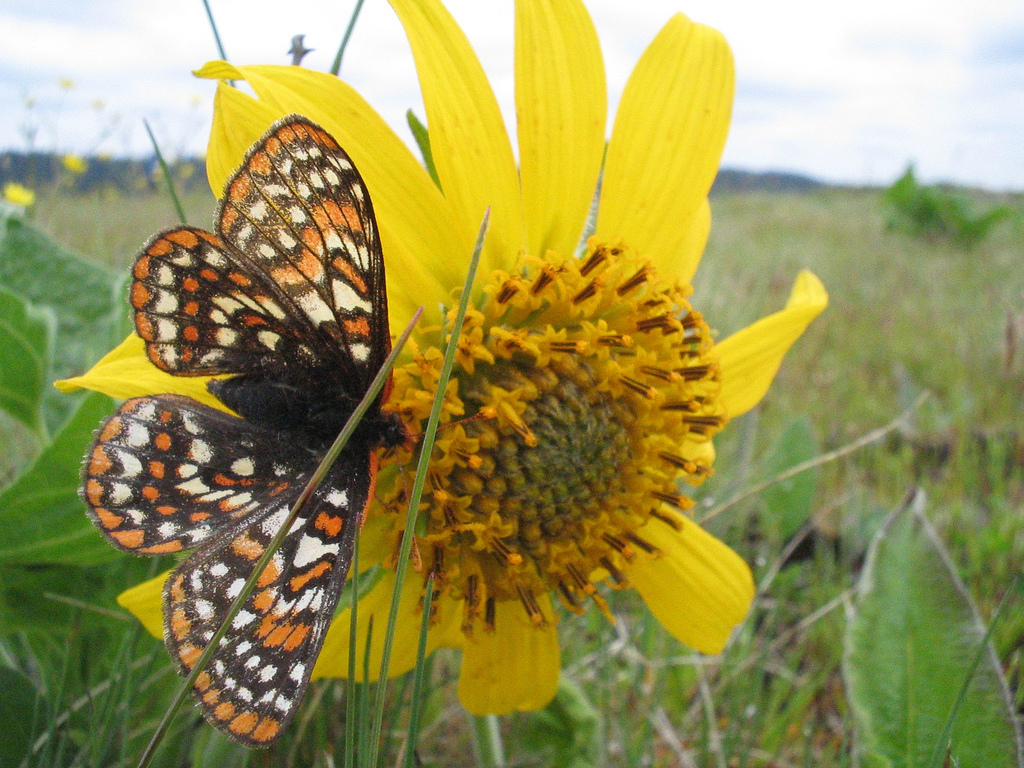
The Surprising Lives of America’s Rarest Butterflies

You’ve probably heard of monarch butterflies, but have you heard of a Bartram’s scrub-hairstreak? What about a St. Francis’ satyr? A Taylor’s checkerspot? In the United States there are 21 butterfly species listed as federally threatened or endangered under the Endangered Species Act. All of these butterflies have unique ecologies that help them survive, whether it’s relying on a particular ant species for protection, or the regular bombing of artillery ranges to maintain habitat, or waiting for rain.

With recent headlines of butterfly declines in the news, learn what conservation scientists are doing to try to recover some of America’s rarest butterflies and what you can do for butterflies in your own backyard.

Dr. Erica Henry is the Prairie Ecologist with the WA Department of Fish and Wildlife. She has worked on endangered butterfly research projects from the Everglades and Florida Keys to coastal meadows of Oregon. Through this work, she has developed an intimate knowledge of the natural history of many of the US’s endangered butterflies and how we can use that information to improve conservation actions.

  • Event Date

    Wednesday, June 11, 2025

  • Start Time

    7:00 pm Pacific

  • End Time

    8:30 pm Pacific

  • Tickets

    Door

    General Admission: $20

    get tickets

    Ticket fine print

    We at Science on Tap are committed to offering educational opportunities to adults who want to learn. If the ticket price is a hardship for you, please write to us and we're happy to provide reduced-price tickets to those who request them.

  • Venue

    Kiggins Theatre

Budding Science: Cannabis in Reproductive Health

Cannabis has been used since antiquity to ease illness, increase sex drive, and highlight the pleasures of life. Pair that with the increasing availability of legal cannabis products in the US and it is no surprise that many people are exposed to cannabis throughout their lives.  In spite of this exposure from preconception through menopause, the long-term effects of cannabis are not widely understood. 

Join us to discuss what we know, and what we still need to know, about the effects of cannabis on: 

  • Sexual health and function 
  • Reproductive health and fertility 
  • Pregnancy and offspring  
  • Menopausal symptoms 

Jamie O. Lo, M.D., M.C.R. is an Associate Professor in the Department of Ob/Gyn and Department of Urology at OHSU. She attended medical school at OHSU and completed her obstetrics and gynecology training at the University of Utah. She further specialized in Maternal-Fetal Medicine at OHSU and also completed a Masters in Clinical Research.  

Jasper Bash, MD, is an Assistant Professor of Urology at OHSU where he helps to lead the Men’s Health and Fertility team. After medical school and residency at OHSU he completed the Male Reproductive Medicine and Surgery fellowship at UCLA before returning to Portland where he studies the effect of environmental exposures on reproductive health.  

  • Event Date

    Wednesday, September 24, 2025

  • Start Time

    7:00 pm Pacific

  • End Time

    8:30 pm Pacific

  • Tickets

    Door

    General Admission: $25

    get tickets

    Ticket fine print

    We at Science on Tap are committed to offering educational opportunities to adults who want to learn. If the ticket price is a hardship for you, please write to us and we're happy to provide reduced-price tickets to those who request them.

  • Venue

    Alberta Rose Theatre
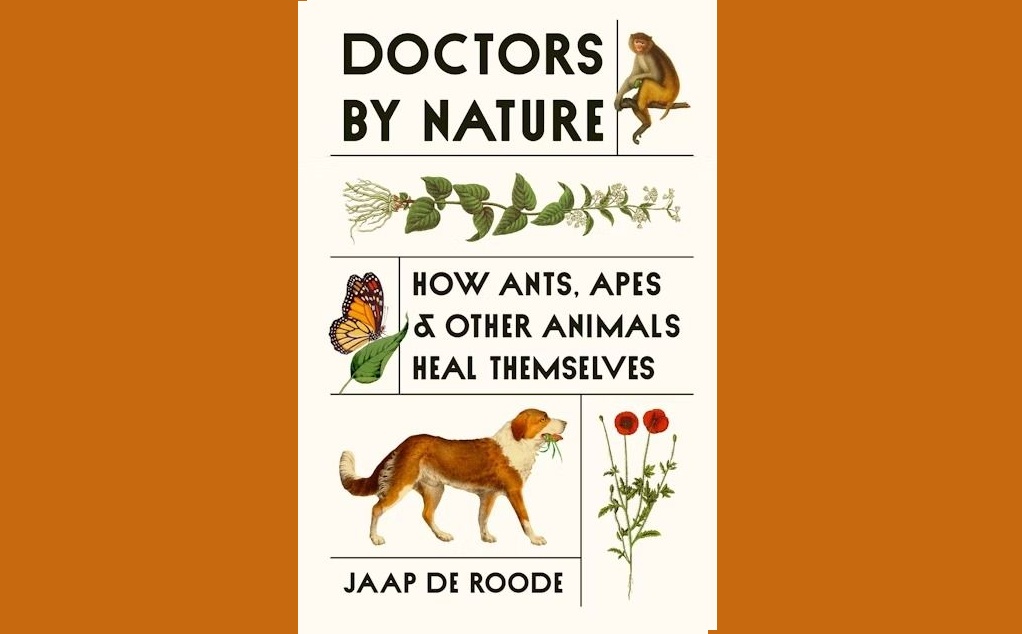
Doctors By Nature: How Ants, Apes, & Other Animals Heal Themselves

The astonishing story of how animals use medicine and what it can teach us about healing ourselves.

Ages before the dawn of modern medicine, wild animals were harnessing the power of nature’s pharmacy to heal themselves. Animals of all kinds—from ants to apes, from bees to bears, and from cats to caterpillars—use various forms of medicine to treat their own ailments and those of their relatives.

Meet apes that swallow leaves to dislodge worms, sparrows that use cigarette butts to repel parasites, and bees that incorporate sticky resin into their hives to combat pathogens. De Roode asks whether these astonishing behaviors are learned or innate and explains why, now more than ever, we need to apply the lessons from medicating animals—it can pave the way for healthier livestock, more sustainable habitats for wild pollinators, and a host of other benefits.

Doctors by Nature explores how scientists are turning to the medical knowledge of the animal kingdom to improve agriculture, create better lives for our pets, and develop new pharmaceutical drugs.

Jaap de Roode received his MSc in Population Biology from Wageningen University in the Netherlands and his PhD in Evolutionary Biology from the University of Edinburgh in Scotland. He is interested in the ecology and evolution of infectious diseases, and currently studies infectious diseases of monarch butterflies, honey bees and humans.

Get 15% OFF the ticket AND book by selecting the Book/Ticket Combo option at checkout.

Also: PRE-SHOW EVENT!
Come at 6:30 (1/2 hr BEFORE the show start) to see OHSU grad students test out explaining their work to a general audience! 3 minutes each, no exceptions!

Science communication (#Scicomm) is an ever more important skill as our country’s mistrust of science grows. We are trying to use our platform to encourage new scientists to get the word about their work out in an accessible way. Join us!

  • Event Date

    Wednesday, July 23, 2025

  • Start Time

    7:00 pm Pacific

  • End Time

    8:30 pm Pacific

  • Tickets

    Door

    General Admission: $25

    get tickets

    Ticket fine print

    We at Science on Tap are committed to offering educational opportunities to adults who want to learn. If the ticket price is a hardship for you, please write to us and we're happy to provide reduced-price tickets to those who request them.

  • Venue

    Alberta Rose Theatre
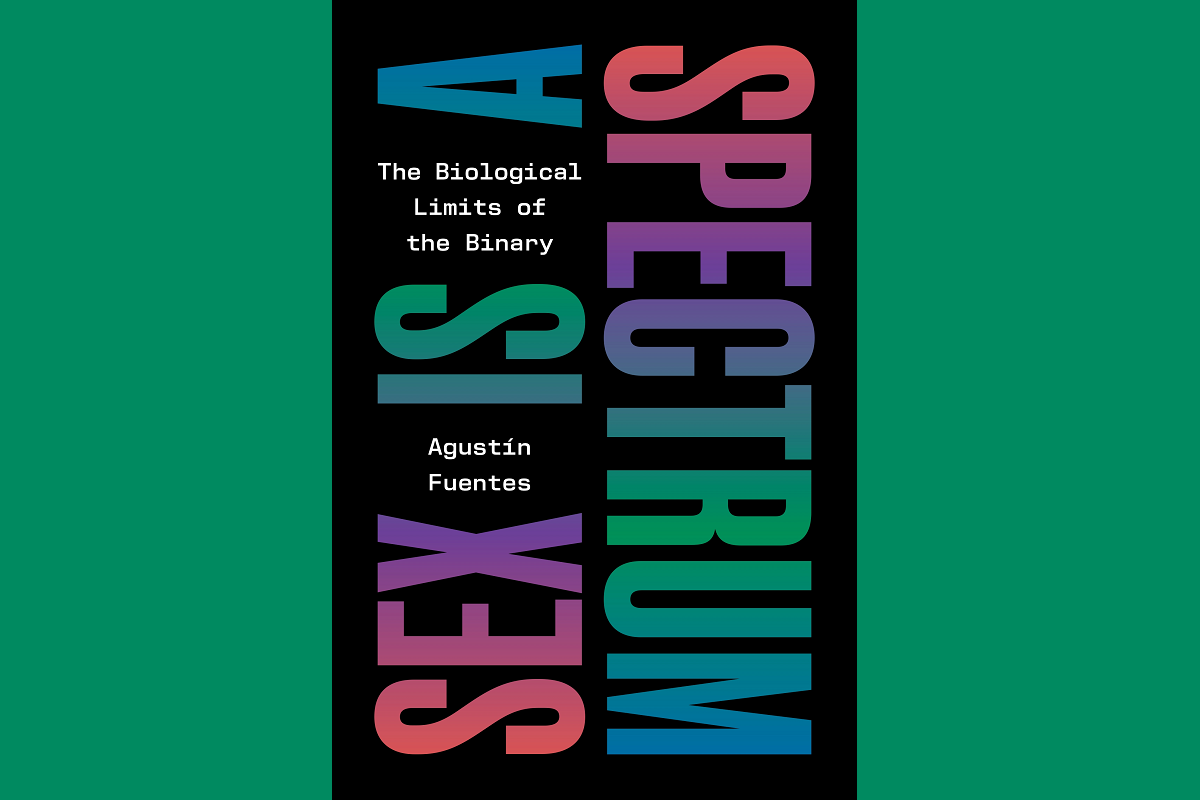
Sex is a Spectrum: The Biological Limits of the Binary 

When it comes to variation within the sexes, binary thinking is just bad science.

Agustín Fuentes debunks common myths about male brains vs. female brains (no such thing) and explains why pharmaceutical research and medical care would be well-served to pay closer attention to the biological differences among men and women, as overly simplistic thinking can negatively skew dosage recommendations and impact diagnosis of, and care for, common afflictions, such as cardiovascular disease, as well as medical procedures like organ transplants.

Hear the case that ideas about what a man or woman “should look like” are the product of culture, not biology. Indeed, traits that we think are inherently male or female – body hair, breast tissue – are not limited to one sex. And a close focus on hormones doesn’t always tell the full story either.

Fossil and archaeological records reveal the diversity of our ancestors’ sexual bonds, gender roles, and family and community structures, showing how the same holds true in the lived experiences of people today.

Agustín Fuentes PHD is a well versed and charismatic science communicator, a contributor to NatureScientific American, and American Scientist, among other publications. He is the author of Race, Monogamy, and Other Lies They Told You and many others, as well as Professor of Anthropology at Princeton.

Get 15% off a ticket AND the book! Select the book/ticket combo upon checkout.

  • Event Date

    Wednesday, July 9, 2025

  • Start Time

    7:00 pm Pacific

  • End Time

    8:30 pm Pacific

  • Tickets

    Door

    General Admission: $20

    get tickets

    Ticket fine print

    We at Science on Tap are committed to offering educational opportunities to adults who want to learn. If the ticket price is a hardship for you, please write to us and we're happy to provide reduced-price tickets to those who request them.

  • Venue

    Kiggins Theatre

Thigmomorphogenesis, or Why Most Trees Don’t Fall Over

Back by popular demand!
Have you ever noticed a tree not fall over?  A tree’s natural state is upright—it’s their default mode. Yet, myths pervade:

  • “You should thin your tree”
  • “You should top your tree”
  • “Douglas-firs have shallow roots”
  • “Lone trees are more likely to fall”
  • “The roots will ruin my foundation”
  • “That tree will fall and kill my whole family”

Despite the ubiquity of normal, upright trees around us, we often only notice those scattered few that stop being upright, most often in extreme weather.  And frankly, those few sully the good reputation of the thousands of others.

In the Pacific Northwest, our trees grow to be some of the tallest and largest organisms on the planet, and that can be understandably intimidating as you watch them bend and sway during winter weather from your home.  Luckily, our trees did not achieve their prominence by accident, and this talk will explain what the trees are doing, how they react to their environment, and what you can do to make sure your trees are safe.

How does a tree build itself?  How does it choose which direction to grow?  Is it a giant, static monolith waiting to crush everything beneath it? or a dynamic, self-optimizing living system that wants to keep itself upright arguably more than you? Join us on a journey through the lifecycle of a tree: how it grows, lives, and dies.  In other words: how do trees become trees and what makes them so good at it?

An arborist, a dendrologist, and educator, Casey Clapp is the principal consultant with Portland Arboriculture and co-host/co-creator of CompletelyArbortrary, a weekly podcast about trees and other related topics. He’s also the author of the forthcoming book The Trees Around You: How to identify common neighborhood trees in the Pacific Northwest.  Casey holds degrees in Forestry and Environmental Conservation, and he’s an ISA Board Certified Master Arborist, Qualified Tree Risk Assessor, and Municipal Specialist. Find him on social media @clapp4trees or reach him at casey@pdxarbor.com.

This is a repeat of the show at Kiggins Theatre 2/12/25

  • Event Date

    Wednesday, May 28, 2025

  • Start Time

    7:00 pm Pacific

  • End Time

    8:30 pm Pacific

  • Tickets

    Door

    General Admission: $25

    get tickets

    Ticket fine print

    We at Science on Tap are committed to offering educational opportunities to adults who want to learn. If the ticket price is a hardship for you, please write to us and we're happy to provide reduced-price tickets to those who request them.

  • Venue

    Alberta Rose Theatre
Bomb Cyclones to Renewable Energy: Weather Forecasting in the PNW

The Pacific Northwest has a reputation for being damp, dark, and cold. However, there’s much more to it. From the dry summers to highly localized wind storms, bomb cyclones, surprise snow storms, and the inland desert, Washington and Oregon have a lot of weather to offer.

  • Why do weather apps often fail in the Northwest?
  • What makes weather in this region so difficult to forecast?
  • How do these difficulties manifest themselves in wind and solar power?

Lack of data and widespread mountainous terrain makes it so weather apps often leave much to be desired. It can even be hard to interpret what a human forecaster is trying to say. After the challenge of forecasting weather, meteorologists in the region are met with the almost harder challenge of conveying that forecast.

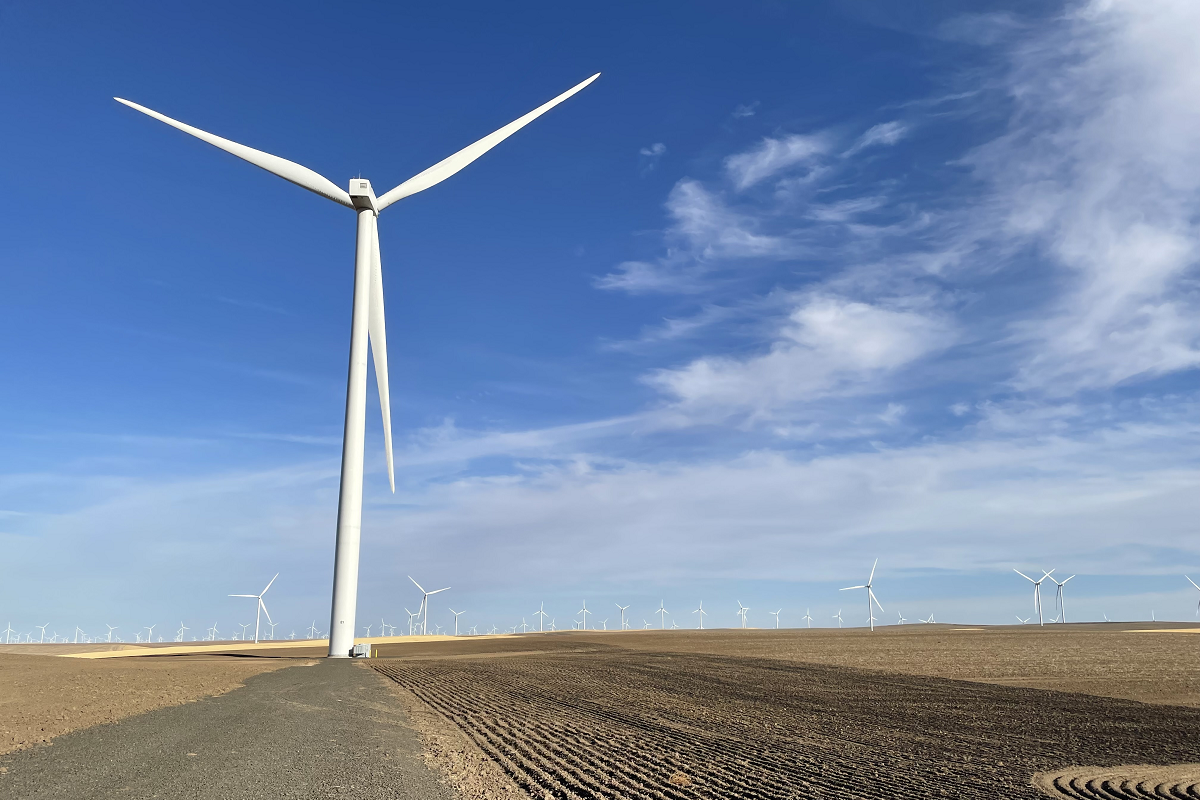
This diversity of weather is a significant renewable energy asset, with numerous companies scrambling to harness the power of Columbia Gorge wind and Columbia Basin sunshine. As our energy infrastructure becomes more weather-dependent, it is more important than ever to understand and tackle these regional issues to maintain a reliable electrical grid during North America’s transition to green energy sources.

Mark Ingalls is a Vancouver, B.C.-based meteorologist forecasting in the energy sector focused on the Northeastern United States. Before moving to Canada, he forecasted wind and solar energy generation at Avangrid Renewables in Portland, which owns wind and solar parks in the Eastern Columbia Gorge. He is a contributor to the weekly Canadian TV/radio program The Comedeorological Report and operates a blog focused on PNW weather at ingallswx.com.

  • Event Date

    Tuesday, May 6, 2025

  • Start Time

    7:00 pm Pacific

  • End Time

    8:30 pm Pacific

  • Tickets

    Door

    General Admission: $20

    get tickets

    Ticket fine print

    We at Science on Tap are committed to offering educational opportunities to adults who want to learn. If the ticket price is a hardship for you, please write to us and we're happy to provide reduced-price tickets to those who request them.

  • Venue

    Kiggins Theatre

Storytelling With Data: Great Graphs, Bad Logos, & the Ethics of Data Visualization

Back by popular demand! (And now with ASL interpretation!)
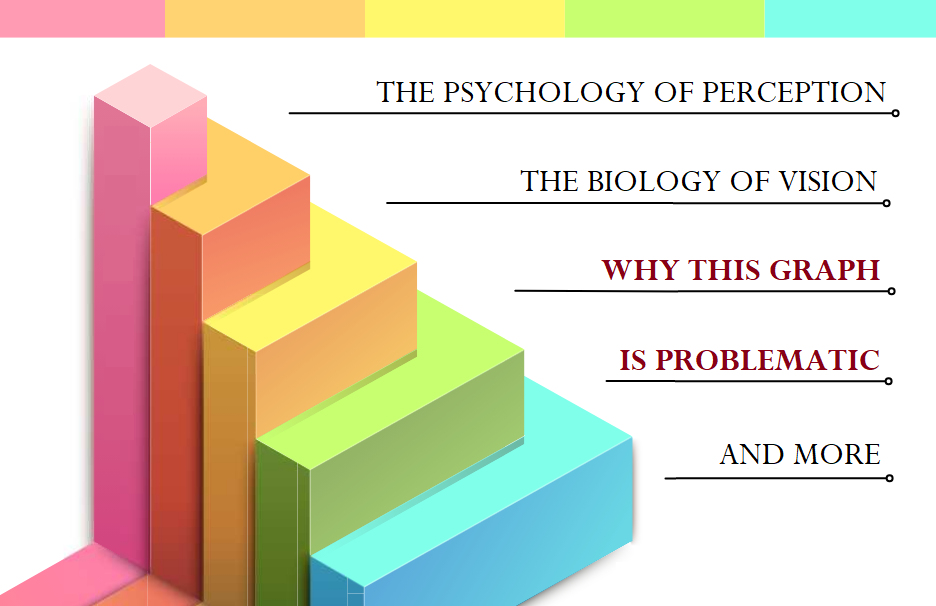
So much data. So much misrepresentation. In our era, understanding the nuances of effective visual storytelling is more crucial than ever.

What is the neuroscience of vision?
The psychology of perception?
How do our brains process visual information?

Well-designed graphs can illuminate complex data, making it accessible and engaging for all audiences, while poor design choices, including misleading logos, can distort the truth behind the numbers.

Sip on local brews and learn about the aesthetic elements of data visualization AND the ethical responsibilities that come with presenting information. How can we ensure our visuals tell an honest story? What are the implications of data manipulation in public discourse? How to think critically about the visuals you encounter and create, highlighting the ethical dimensions in the context of neuroscience and psychology.

Science, design, and ethics—perfectly paired with a pint!

Jackie Wirz, PhD, (our own MC!) is a biochemist by training, a nonprofit executive by profession, and a teller of stories. After 15 years of bad graphics as a research scientist, she decided to educate herself on what actually goes into a great visualization. She leveraged these skills as a data management specialist, academic administrator, and as a nonprofit executive. In her spare time she is the MC (mistress of ceremonies) for a variety of events including Science on Tap!

Dr. Steven Bedrick is an Associate Professor at OHSU where his research focuses on the intersection of natural language processing and healthcare. He is also interested in the societal and ethical implications that arise from speech and language technology.

This is a repeat of a show at Kiggins Theatre January 2024.

  • Event Date

    Wednesday, March 26, 2025

  • Start Time

    7:00 pm Pacific

  • End Time

    9:00 pm Pacific

  • Tickets

    Door

    General Admission: $25

    get tickets

    Ticket fine print

    We at Science on Tap are committed to offering educational opportunities to adults who want to learn. If the ticket price is a hardship for you, please write to us and we're happy to provide reduced-price tickets to those who request them.

  • Venue

    Alberta Rose Theatre
The Undammed Klamath: Tribal Knowledge of Water Resources

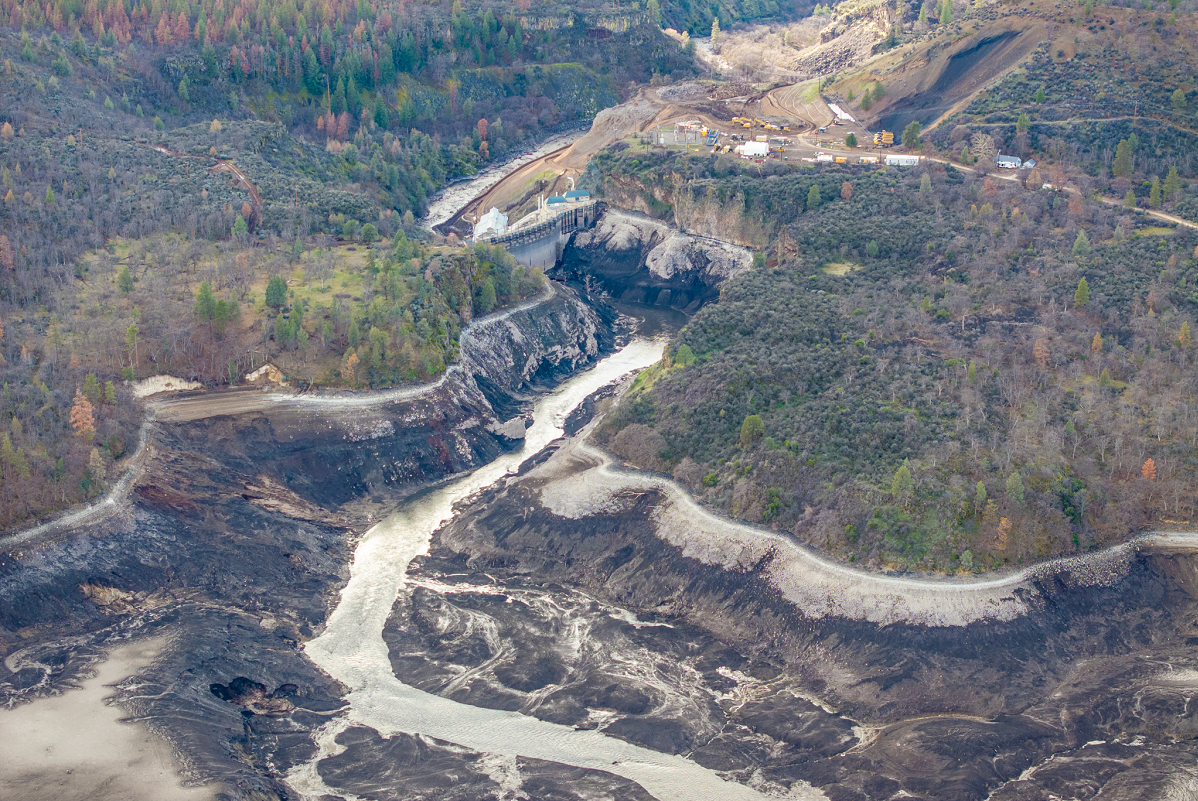
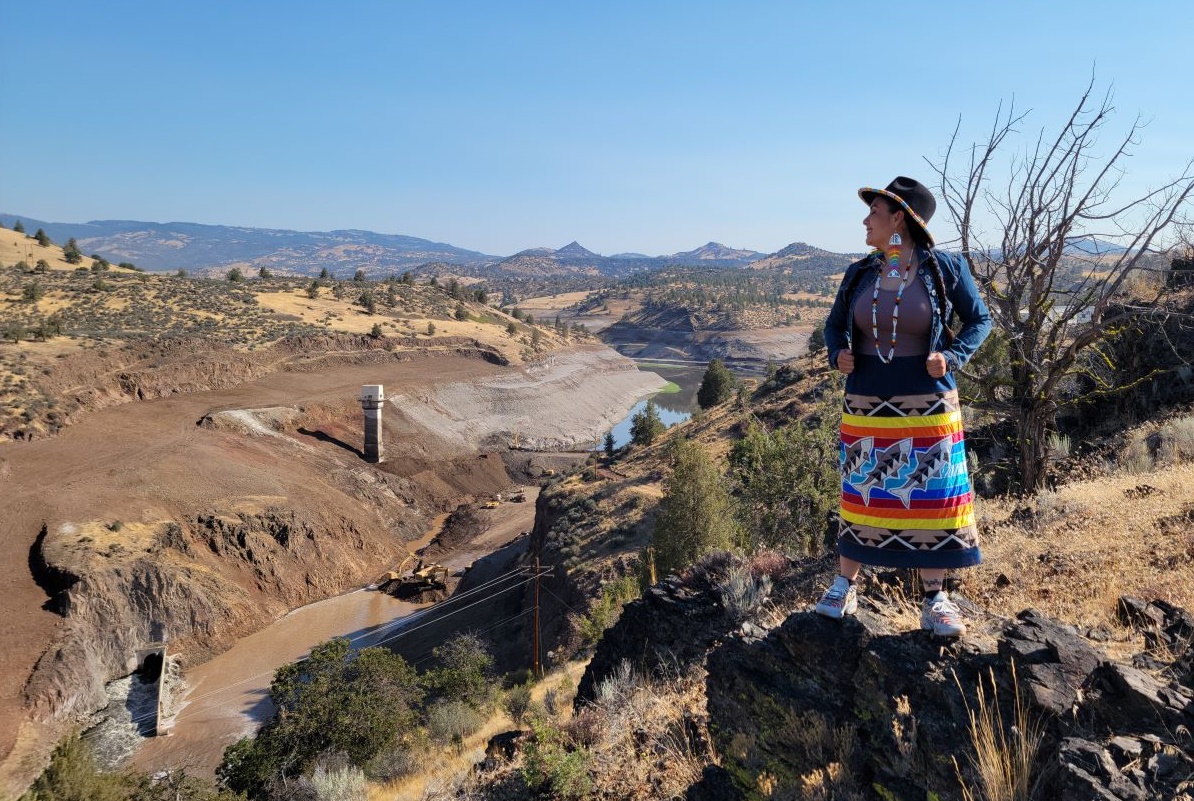
The summer of 2024 marked the largest dam removal in world history. Four dams were removed from the Klamath River, which runs through Oregon and California. Dam removal was caused in large part by the push from tribes local to the area.

Come have a discussion with Civil Water Resource/ Restoration Engineer Brook M Thompson from the Yurok and Karuk Tribes, who has been involved in dam removal advocacy since she was seven years old. She’ll cover:

  • How does one remove a dam? And what was so bad about the dam anyway?
  • How does traditional ecological knowledge benefit restoration efforts?
  • What can we expect now the dams are removed? What is next for bringing back the salmon population?
  • Why are interdisciplinary fields required for successful restoration projects?
  • What research is currently being conducted on the Klamath River post-dam removal?
  • How you can build a connection with the local native community and support local restoration efforts.  

Brook M Thompson is from the Yurok & Karuk tribes of California and grew up on her ancestral river, the Klamath. The deaths there of tens of thousands of salmon encouraged her to become a water rights activist and a water resource/restoration engineer. She is currently pursuing a Ph.D. in Environmental Studies at UC Santa Cruz, researching Klamath salmon, restoration cooperation with tribes, and water policy. She has an M.S. in Environmental Engineering from Stanford and a B.S. in Civil Engineering from PSU.

  • Event Date

    Wednesday, February 19, 2025

  • Start Time

    7:00 pm Pacific

  • End Time

    8:30 pm Pacific

  • Tickets

    Door

    General Admission: $25

    get tickets

    Ticket fine print

    We at Science on Tap are committed to offering educational opportunities to adults who want to learn. If the ticket price is a hardship for you, please write to us and we're happy to provide reduced-price tickets to those who request them.

  • Venue

    Alberta Rose Theatre
The Wonderful World of Neurodiversity: Aren’t We All a Bit Unique?

(Note: this show will have ASL interpreters!)

What exactly is neurodiversity? Even more perplexing: is there actually such a thing as ‘normal?’

The answer to these perennial head-scratchers just might depend on which academic perspective you use to unpack the puzzle. In this light-hearted and uplifting talk, two educational researchers will explore:

  • neuroscience to try to understand our brains (Is there such a thing as a ‘typical’ brain? Or, might we all exist on a spectrum of neuronal uniqueness?)
  • cognitive psychology to peek into our minds (Are some folks born with an innate ‘giftedness’ for perceiving reality in an alternative way? Could we be doing more to nurture a sense of curiosity, creativity, and divergent thinking within all children?)
  • linguistics and behavior (Why does society tend to more easily accept some types of behavior, while struggling to embrace certain kinds of ‘differentness?’ What would our world look like if we accepted and celebrated exceptionality?)

The bottom line is that behind neurodivergent brains are actual humans with amazing stories and potential for innovation. Perhaps it just might be time for those stories to shine in the spotlight for a change.

Christopher Merideth, Ed.D. is a writer, university lecturer, and former special education teacher. While pursuing his Doctorate in Neuro-Education, Dr. Merideth worked as a doctoral fellow engaging in a wide variety of research projects for school districts in the Pacific Northwest. Dr. Merideth is the founder of Neuro-Education Press and the co-editor of the 2017 book Neuro-Education: A Translation From Theory to Practice.

Ana Lia Oliva, Ed.D. CCC-SLP, holds a Doctorate of Education in Leading and Learning with a focus on neuroeducation and adult transformative learning from the University of Portland. Her research explores the role of language in cognitive processes, particularly how language influences adult learners’ transformative shifts in thinking and perspective.

Both speakers are co-founders of The Neuro-Learning and Language Network, a community of educators who explore brain-based learning in the efforts of promoting equity and social justice in school systems.

  • Event Date

    Wednesday, March 12, 2025

  • Start Time

    7:00 pm Pacific

  • End Time

    8:30 pm Pacific

  • Tickets

    Door

    General Admission: $20

    get tickets

    Ticket fine print

    We at Science on Tap are committed to offering educational opportunities to adults who want to learn. If the ticket price is a hardship for you, please write to us and we're happy to provide reduced-price tickets to those who request them.

  • Venue

    Kiggins Theatre

Sleep & Snuggling: The Key to Social Connection

Babies sleep more per day during the first two years than any other point in life. Scientists agree that this is a period of rapid change in the brain and body – but the mystery remains, what function does sleep serve us so early in life?

One idea is that sleep is an opportunity for our brains to practice, and process — especially critical early in life, when we are experiencing so many new things in the world around us. The brain controls how we connect with each other, and form relationships with our peers and loved ones. Healthy physical connections with others, including a foundation called “social touch”, is formed early in life and requires proper sleep to fully develop.

Studies have found an association between poor sleep early in life and neurodevelopmental disorders characterized by differences in social connection. This talk will expand on this lingering mystery by exploring:

  • How does the function of sleep change with age?
  • How a unique rodent – the prairie vole – can teach us how sleep and snuggles help our brains develop the foundation of social touch.

Noah Milman is a graduate student in the Department of Behavioral Neuroscience at OHSU. Previously, he contributed to the first-in-human clinical trial of 40Hz sensory stimulation for Alzheimer’s Disease. Now, he is interested in how early-life sleep and environment impact the sensory brain and our social connections later in life.

  • Event Date

    Wednesday, June 25, 2025

  • Start Time

    7:00 pm Pacific

  • End Time

    8:30 pm Pacific

  • Tickets

    Door

    General Admission: $25

    get tickets

    Ticket fine print

    We at Science on Tap are committed to offering educational opportunities to adults who want to learn. If the ticket price is a hardship for you, please write to us and we're happy to provide reduced-price tickets to those who request them.

  • Venue

    Alberta Rose Theatre
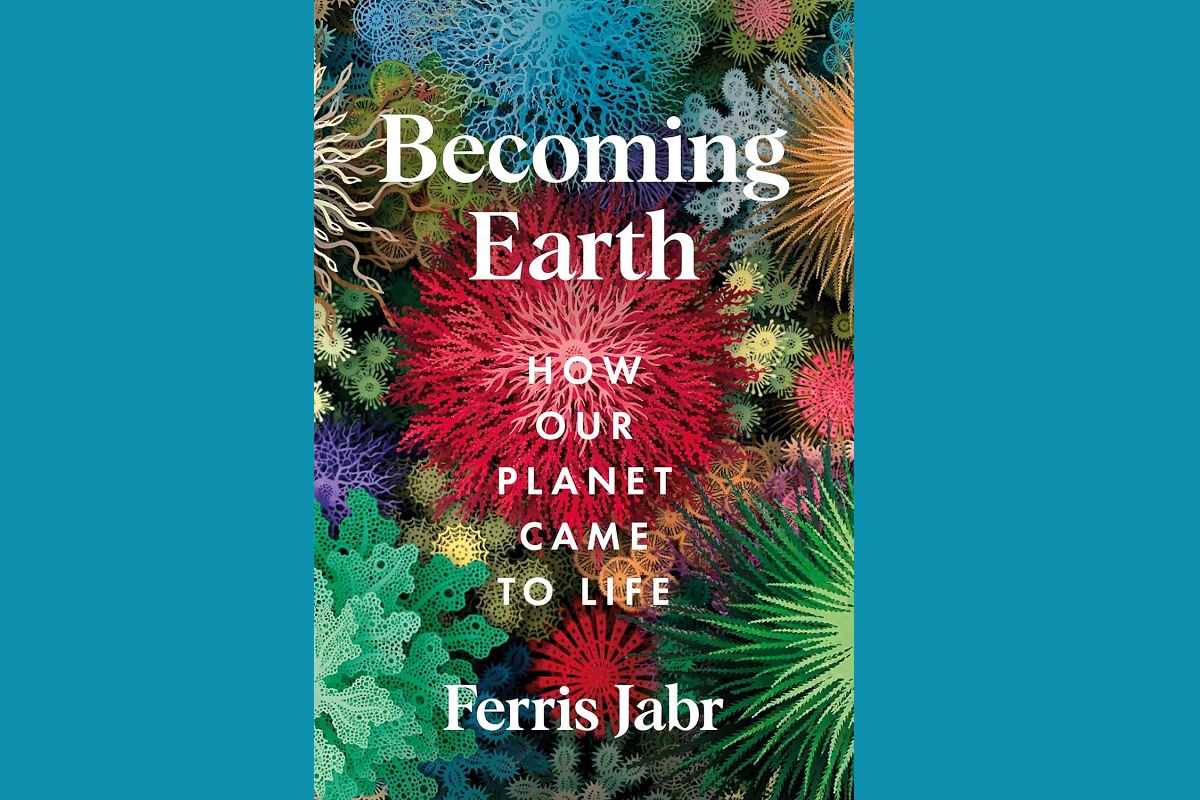
Becoming Earth: How Our Planet Came to Life

One of humanity’s oldest beliefs is that our world is alive. Though once ridiculed by some scientists, the idea of Earth as a vast, interconnected living system has gained acceptance in recent decades. We, and all living things, are more than inhabitants of Earth—we are Earth, an outgrowth of its structure and an engine of its evolution.

Acclaimed science writer Ferris Jabr reveals a radical new vision of Earth where lush forests spew water, pollen, and bacteria to summon rain; giant animals engineer the very landscapes they roam; microbes chew rock to shape continents; and microscopic plankton, some as glittering as carved jewels, remake the air and sea.

Humans are one of the most extreme examples of life transforming Earth. We have altered more layers of the planet in less time than any other species, pushing Earth into a crisis. But we are also uniquely able to understand and protect the planet’s wondrous ecology and self-stabilizing processes. Jabr introduces us to a diverse cast of fascinating people who have devoted themselves to this vital work.

Ferris Jabr is a contributing writer for The New York Times Magazine. He has also written for The New Yorker, Harper’s, The Atlantic, National Geographic, and Scientific American. He is the recipient of a Whiting Foundation Creative Nonfiction Grant and fellowships from UC Berkeley and MIT. Jabr lives in Portland, Oregon, with his husband, Ryan, their dog, Jack, and more plants than they can count.

  • Event Date

    Wednesday, April 23, 2025

  • Start Time

    7:00 pm Pacific

  • End Time

    8:30 pm Pacific

  • Tickets

    Door

    General Admission: $25

    get tickets

    Ticket fine print

    We at Science on Tap are committed to offering educational opportunities to adults who want to learn. If the ticket price is a hardship for you, please write to us and we're happy to provide reduced-price tickets to those who request them.

  • Venue

    Alberta Rose Theatre
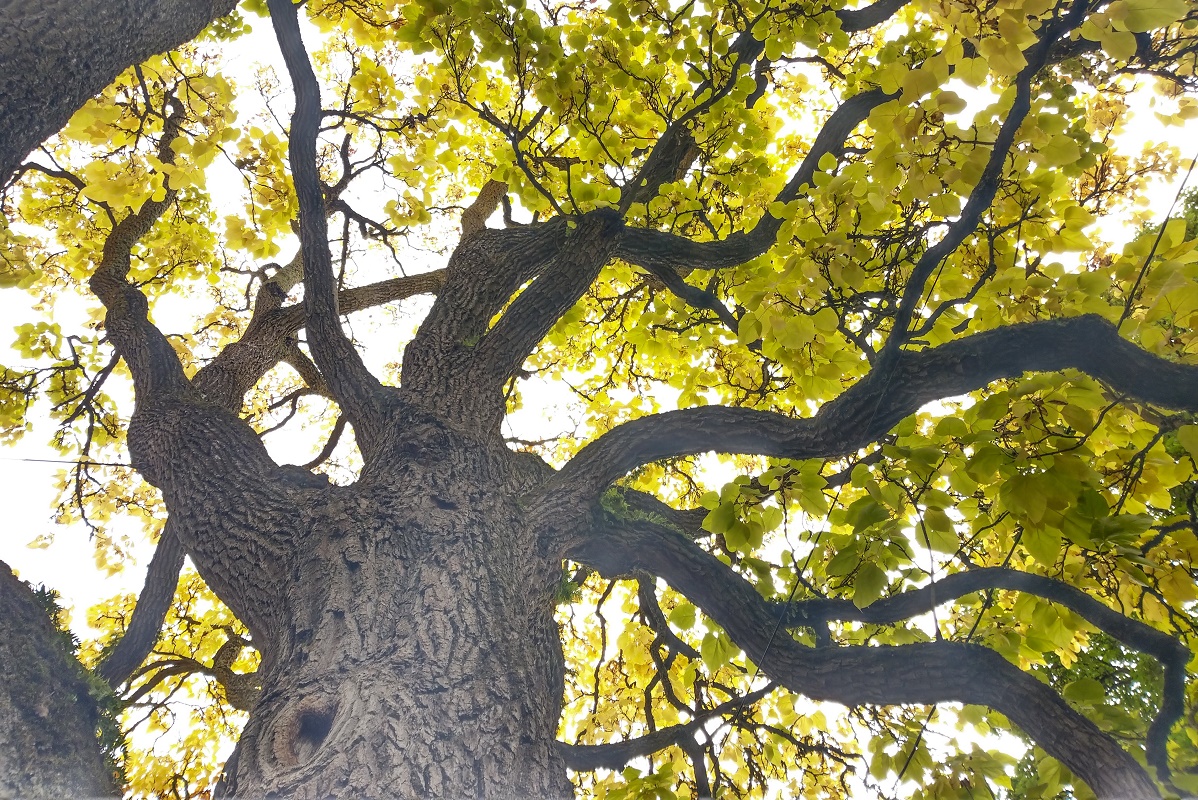
Thigmomorphogenesis, or Why Most Trees Don’t Fall Over

Have you ever noticed a tree not fall over?  A tree’s natural state is upright—it’s their default mode. Yet, myths pervade:

  • “You should thin your tree”
  • “You should top your tree”
  • “Douglas-firs have shallow roots”
  • “Lone trees are more likely to fall”
  • “The roots will ruin my foundation”
  • “That tree will fall and kill my whole family”

Despite the ubiquity of normal, upright trees around us, we often only notice those scattered few that stop being upright, most often in extreme weather.  And frankly, those few sully the good reputation of the thousands of others.

In the Pacific Northwest, our trees grow to be some of the tallest and largest organisms on the planet, and that can be understandably intimidating as you watch them bend and sway during winter weather from your home.  Luckily, our trees did not achieve their prominence by accident, and this talk will explain what the trees are doing, how they react to their environment, and what you can do to make sure your trees are safe.

How does a tree build itself?  How does it choose which direction to grow?  Is it a giant, static monolith waiting to crush everything beneath it? or a dynamic, self-optimizing living system that wants to keep itself upright arguably more than you? Join us on a journey through the lifecycle of a tree: how it grows, lives, and dies.  In other words: how do trees become trees and what makes them so good at it?

An arborist, a dendrologist, and educator, Casey Clapp is the principal consultant with Portland Arboriculture and co-host/co-creator of CompletelyArbortrary, a weekly podcast about trees and other related topics. He’s also the author of the forthcoming book The Trees Around You: How to identify common neighborhood trees in the Pacific Northwest.  Casey holds degrees in Forestry and Environmental Conservation, and he’s an ISA Board Certified Master Arborist, Qualified Tree Risk Assessor, and Municipal Specialist. Find him on social media @clapp4trees or reach him at casey@pdxarbor.com.

  • Event Date

    Wednesday, February 12, 2025

  • Start Time

    7:00 pm Pacific

  • End Time

    8:30 pm Pacific

  • Tickets

    Door

    General Admission: $20

    get tickets

    Ticket fine print

    We at Science on Tap are committed to offering educational opportunities to adults who want to learn. If the ticket price is a hardship for you, please write to us and we're happy to provide reduced-price tickets to those who request them.

  • Venue

    Kiggins Theatre

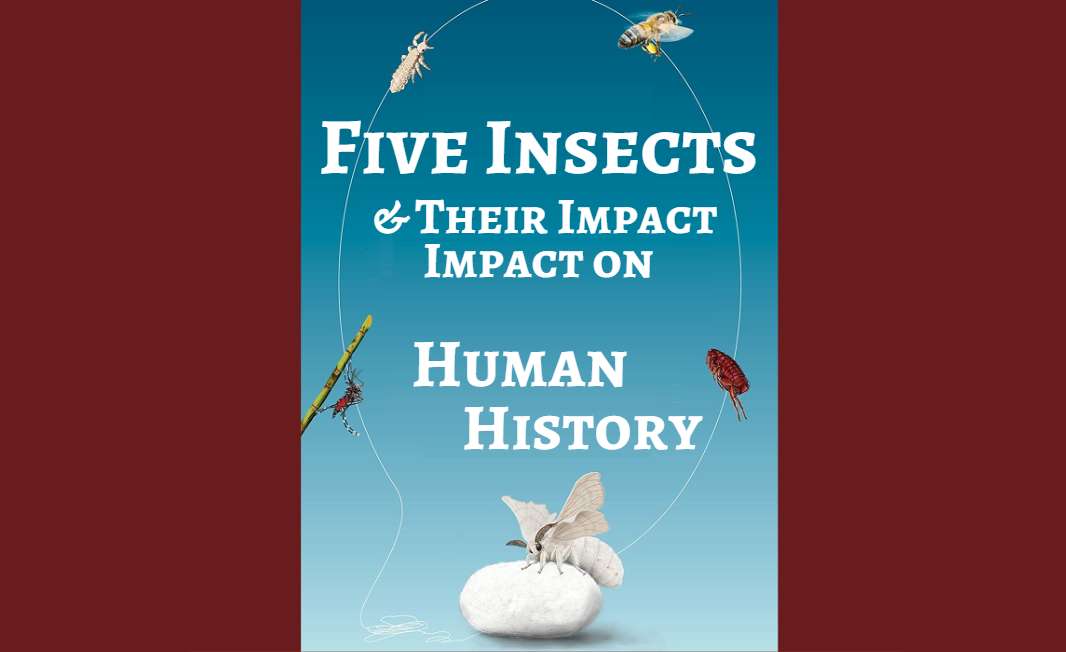
The Silken Thread: Five Insects & Their Impacts on Human History

A moth, a flea, a mosquito…
Insects are seldom mentioned in history texts, yet they significantly shaped human history. For example:

  • Silkworms (moths) have been farmed to produce silk for millennia, and the Silk Road created a history of empires and cultural exchanges of ideas, philosophies, and religions.
  • Fleas and lice carried bacteria that caused three major plague pandemics. Bacteria carried by insects left their ancient clues as DNA embedded in victims’ teeth.
  • Lice caused outbreaks of typhus, especially in crowded conditions such as prisons and concentration camps. Typhus aggravated the effects of the Irish potato famine, and Irish refugees took typhus to North America.
  • Mosquito-borne yellow fever was transported to the Americas via the trans-Atlantic slave trade, causing panic in the US and creating hazards in constructing the Panama Canal.

Dr. Rob Wiedenmann will explore the impact and common threads connecting these insects. This talk is based on his book, coauthored by J. Ray Fisher: The Silken Thread: Five Insects and Their Impacts on Human History.

Dr. Rob Wiedenmann is Professor Emeritus of Entomology at the University of Arkansas. He received a B.S. in Ecology and Evolutionary Biology, and a Ph.D. in Entomology, both from Purdue University. He also worked at the Illinois Natural History Survey, where he focused on biological control of insects and weeds.  He is a past-president of the Entomological Society of America.

  • Event Date

    Wednesday, October 22, 2025

  • Start Time

    7:00 pm Pacific

  • End Time

    8:30 pm Pacific

  • Tickets

    Door

    General Admission: $25

    get tickets

    Ticket fine print

    We at Science on Tap are committed to offering educational opportunities to adults who want to learn. If the ticket price is a hardship for you, please write to us and we're happy to provide reduced-price tickets to those who request them.

  • Venue

    Alberta Rose Theatre
Every Brain Needs (Love) Music

How do our brains and music work in harmony?

Humans have been creating music about falling in and out of love from time immemorial. Such music can have powerful effects on the human brain. Whenever a person engages with music, countless neurons are firing―when a piano student practices a scale, a jazz saxophonist riffs on a melody, someone sobs to a sad song, or a wedding guest gets down on the dance floor. Playing an instrument requires all of the resources of the nervous system, including cognitive, sensory, and motor functions, and can actually change the structure of our brains. Something as seemingly simple as listening to a tune involves mental faculties most of us don’t even realize we have. And when that music is a love song, the effects on our brains go to a whole new level.

This multi-media Valentine’s Day concert and lecture is a collaboration between the Portland Chamber Orchestra and Science on Tap, using music, visuals and science to show how our brains and music work in harmony. Music is considered in all the ways we encounter it―teaching, learning, practicing, listening, composing, improvising, and performing―showing how the brain functions and even changes in the process. Audiences will enjoy world-class performances of modern and classical love songs while gaining perspectives on learning to play, teaching, how to practice and perform, the ways we react to music, and why the brain benefits from musical experiences. The program includes:

  1. Neuroscientist, public speaker, and lifelong musician Dr. Larry Sherman, who co-authored the popular book Every Brain Needs Music: The Neuroscience of Making and Listening to Music
  2. Grammy award-winning, Hopi-Nez Perce Native American flutist James Edmund Greeley
  3. Internationally acclaimed gospel, jazz and blues singer Marilyn Keller
  4. Singer, composer, pianist and recording artist Naomi LaViolette, and
  5. Members of the Portland Chamber Orchestra

Music- and science-lovers from all walks of life will enjoy this unique show, and will experience both wonderful old and new music while gaining fresh perspectives on the roles of music – and love – in their lives.

Storytelling With Data: Great Graphs, Bad Logos, & the Ethics of Data Visualization

So much data. So much misrepresentation. In our era, understanding the nuances of effective visual storytelling is more crucial than ever.

What is the neuroscience of vision?
The psychology of perception?
How do our brains process visual information?

Well-designed graphs can illuminate complex data, making it accessible and engaging for all audiences, while poor design choices, including misleading logos, can distort the truth behind the numbers.

Sip on local brews and learn about the aesthetic elements of data visualization AND the ethical responsibilities that come with presenting information. How can we ensure our visuals tell an honest story? What are the implications of data manipulation in public discourse? How to think critically about the visuals you encounter and create, highlighting the ethical dimensions in the context of neuroscience and psychology.

Science, design, and ethics—perfectly paired with a pint!

Jackie Wirz, PhD, (our own MC!) is a biochemist by training, a nonprofit executive by profession, and a teller of stories. After 15 years of bad graphics as a research scientist, she decided to educate herself on what actually goes into a great visualization. She leveraged these skills as a data management specialist, academic administrator, and as a nonprofit executive. In her spare time she is the MC (mistress of ceremonies) for a variety of events including Science on Tap!

Dr. Steven Bedrick is an Associate Professor at OHSU where his research focuses on the intersection of natural language processing and healthcare. He is also interested in the societal and ethical implications that arise from speech and language technology.

This is a repeat show from Jan 8th at Kiggins Theatre, Vancouver.

  • Event Date

    Wednesday, January 8, 2025

  • Start Time

    7:00 pm Pacific

  • End Time

    8:30 pm Pacific

  • Tickets

    Door

    General Admission: $20

    get tickets

    Ticket fine print

    We at Science on Tap are committed to offering educational opportunities to adults who want to learn. If the ticket price is a hardship for you, please write to us and we're happy to provide reduced-price tickets to those who request them.

  • Venue

    Kiggins Theatre

Artificial Intelligence: Conservation and Securing the Future of Earth

Artificial Intelligence (AI) is a lightning rod topic of conversation and energy from the streets, to board rooms, and to governments around the world.

What is going on? Where did AI come from? Why does AI matter to the future of the planet?

There are seemingly endless media stories and news articles and public opinions on the goings-on of AI, and as many opinions and answers as there are questions. Scientist and AI Leader Emily Soward will cut to the point on the current state of AI and raise awareness of near and far term challenges for planet Earth. 

We will look at case studies to understand:
*where AI is best being used
*limitations of AI and how scientists are addressing them
* where AI came from including what motivates AI in the first place

Through these studies we will contextualize AI’s relevance across the disciplines of conservation, ecology, sustainability, security, and privacy. Walk away with a brighter understanding of the AI landscape, insights into why it matters for our shared global future, and top tips for making informed decisions when evaluating externalities for AI use.

No AI, technical, conservation, or security experience needed!

Emily Soward works for Amazon Web Services and is the founding Vice President, Board of Directors for The Ecological Archive, a 501c3 dedicated to advancing research intersecting AI and ecology. She provides technical and strategic leadership in safety, security, trust, and privacy for AI systems and advances research around thorny issues in implementing technology that can benefit the planet by contributing to open science and open security initiatives.

Note: ASL was cancelled for this show to unavailability of interpreters.

  • Event Date

    Wednesday, April 9, 2025

  • Start Time

    7:00 pm Pacific

  • End Time

    8:30 pm Pacific

  • Tickets

    Door

    General Admission: $20

    get tickets

    Ticket fine print

    We at Science on Tap are committed to offering educational opportunities to adults who want to learn. If the ticket price is a hardship for you, please write to us and we're happy to provide reduced-price tickets to those who request them.

  • Venue

    Kiggins Theatre

Indigenous Science: Seed Banks for Eco-Restoration

Many ecological restoration projects are one-size-fits-all: kill the weeds, then plant native seeds. But across the West, native plants have unexpectedly reestablished themselves via wind, water, or underground seed banks at restored properties in Oregon, Washington, Idaho, and California within various ecosystems—prairies, estuaries, sagebrush steppe, wetlands and coastal sand dunes.

Scientists, in particular Indigenous scientists, have found that native seeds can regerminate after decades of dormancy underground and that some species—even federally endangered ones—will regrow once invasive plants are removed or water is returned.

This approach, known as “natural regeneration,” is understudied and overlooked by Western scientists. Yet Indigenous-led projects show that it is a more effective and more affordable way to restore degraded lands. This show will discuss a handful of tribally led restoration projects where native plants have returned on their own.

Josephine Woolington is a writer and musician based in her hometown of Portland, Oregon. She is the author of “Where We Call Home: Lands, Seas, and Skies of the Pacific Northwest,” which won the 2024 Oregon Book Award for general nonfiction. Her wide-ranging, long-form feature story on this subject was published in High Country News.

David G. Lewis (Confederated Tribes of Grand Ronde) is an OSU anthropology and Indigenous studies assistant professor who descends from western Oregon’s Takelma, Chinook, Molalla and Santiam Kalapuya peoples. Lewis has studied a Willamette Valley site, called Lake Labish, where wapato, a traditional food for PNW Indigenous peoples, has reappeared after a 120-year absence. He is the author of Tribal Histories of the Willamette Valley (2023).

Image credit: Alex Boersma, High Country News

  • Event Date

    Wednesday, November 20, 2024

  • Start Time

    7:00 pm Pacific

  • End Time

    8:30 pm Pacific

  • Tickets

    Door

    General Admission: $25

    get tickets

    Ticket fine print

    We at Science on Tap are committed to offering educational opportunities to adults who want to learn. If the ticket price is a hardship for you, please write to us and we're happy to provide reduced-price tickets to those who request them.

  • Venue

    Alberta Rose Theatre
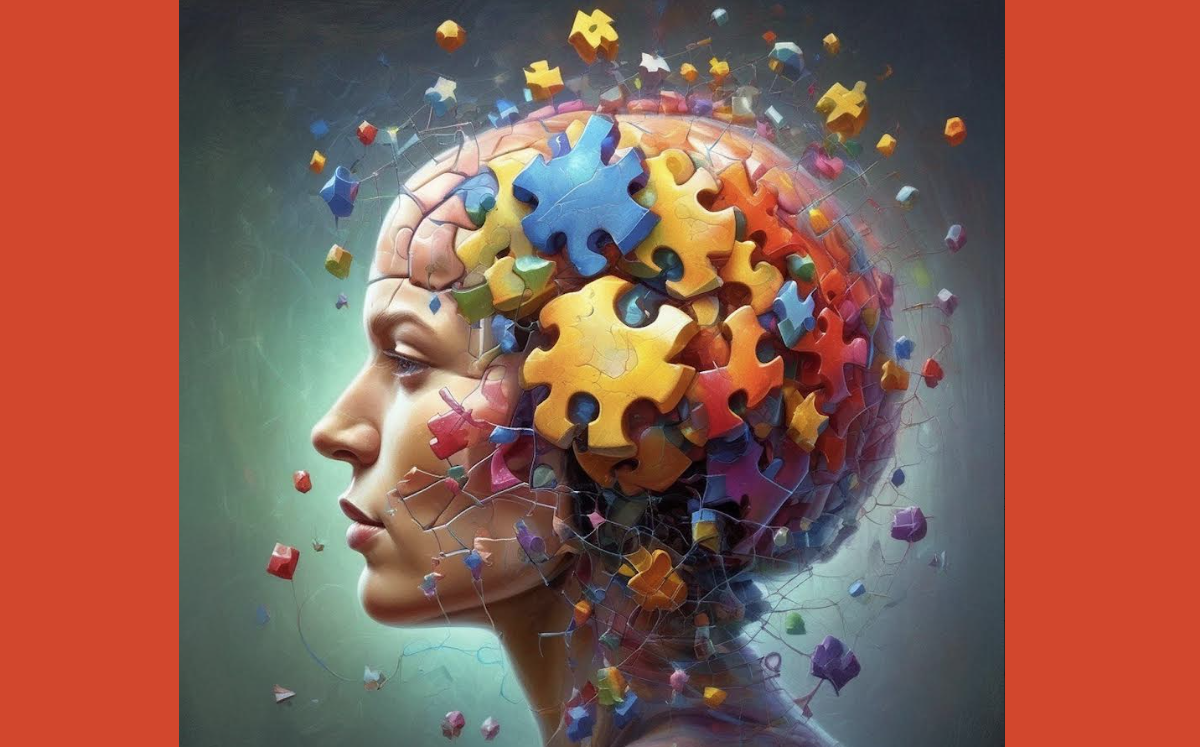
Confirmation Bias in Science: Disastrous Yet Essential

Humans unconsciously filter experience based on what they already believe (called confirmation bias). Seeing is not believing – rather, believing is seeing. Despite specific scientific methods to address this bias, it continues to confuse and confound science, leading to errors, mistakes, and failures – many on a monumental scale.

Confirmation bias begins the moment a person has a belief, regardless of its origin or truth, even if the belief is harmful to the person who has it. (Remember Prosper-René Blondlot and the great fiasco of N-Rays?)

Why would we evolve such a seemingly maladaptive trait? Surprisingly, despite the damage, without confirmation bias, forward progress in science would stop. It’s even essential to human thinking.

In this Science on Tap, Dr. James C. Zimring will explore how and why confirmation bias both drives science forward and can also drive it off a cliff. He’ll explore the questions:

  • How do we harness the remarkable advantages of confirmation bias?
  • How does promoting diversity maximize those advantages?

James C. Zimring MD, PhD holds the Thomas W. Tillack chair in experimental pathology at the U of Virginia. For the last 20 years, Dr. Zimring has been highly involved in teaching the “science about science” at the graduate and undergraduate levels, as well as a course on scientific thinking for high school. Dr. Zimring has published two books on the topic: What Science is and How it Really Works (Cambridge University Press) and Partial Truths (Columbia University Press).

  • Event Date

    Wednesday, January 22, 2025

  • Start Time

    7:00 pm Pacific

  • End Time

    8:30 pm Pacific

  • Tickets

    Door

    General Admission: $25

    get tickets

    Ticket fine print

    We at Science on Tap are committed to offering educational opportunities to adults who want to learn. If the ticket price is a hardship for you, please write to us and we're happy to provide reduced-price tickets to those who request them.

  • Venue

    Alberta Rose Theatre
The Story Collider: Stories About Science

From heart-breaking to hilarious, The Story Collider show is a live storytelling event featuring stories from people from all walks of life about how science has affected their lives. Whether you wear a lab coat or haven’t seen a test tube since grade school, science is shaping all our lives.

Every year, The Story Collider hosts live shows – in person and online – around the world with all kinds of storytellers: researchers, doctors, and engineers, of course, but also patients, poets, comedians, and more. Our team’s favorite stories from those shows land on our weekly podcast. They’re all true and all very personal.

Science on Tap OR WA is excited to be partnering with them for an evening of true, personal stories about science. Speakers include:

  • Amanda Pluntze        
  • Justin Bohling
  • Marley Parker                 
  • Jackie Wirz  (our own MC!) – “Mental health in science. What does it mean to have a broken brain in an intellectual profession? How do you redefine success? How do you redefine yourself?! All questions I grapple with while also discussing the art and science of the HPLC.”
  • Mark Pitzer  (a favorite speaker of ours!) – Eager to impress both his Ph.D. advisor and a charming young woman, Mark, a young graduate student in Neuroscience, stumbled into a near-disastrous experiment in both love and lab work. Mark recounts how a lab mishap reshaped his approach to science and his understanding of relationships. 
  • Event Date

    Tuesday, September 17, 2024

  • Start Time

    7:00 pm Pacific

  • End Time

    8:30 pm Pacific

  • Tickets

    Door

    General Admission: $25

    get tickets

    Ticket fine print

    We at Science on Tap are committed to offering educational opportunities to adults who want to learn. If the ticket price is a hardship for you, please write to us and we're happy to provide reduced-price tickets to those who request them.

  • Venue

    Alberta Rose Theatre
What Lies Beneath: Nuclear Remediation Along the Columbia

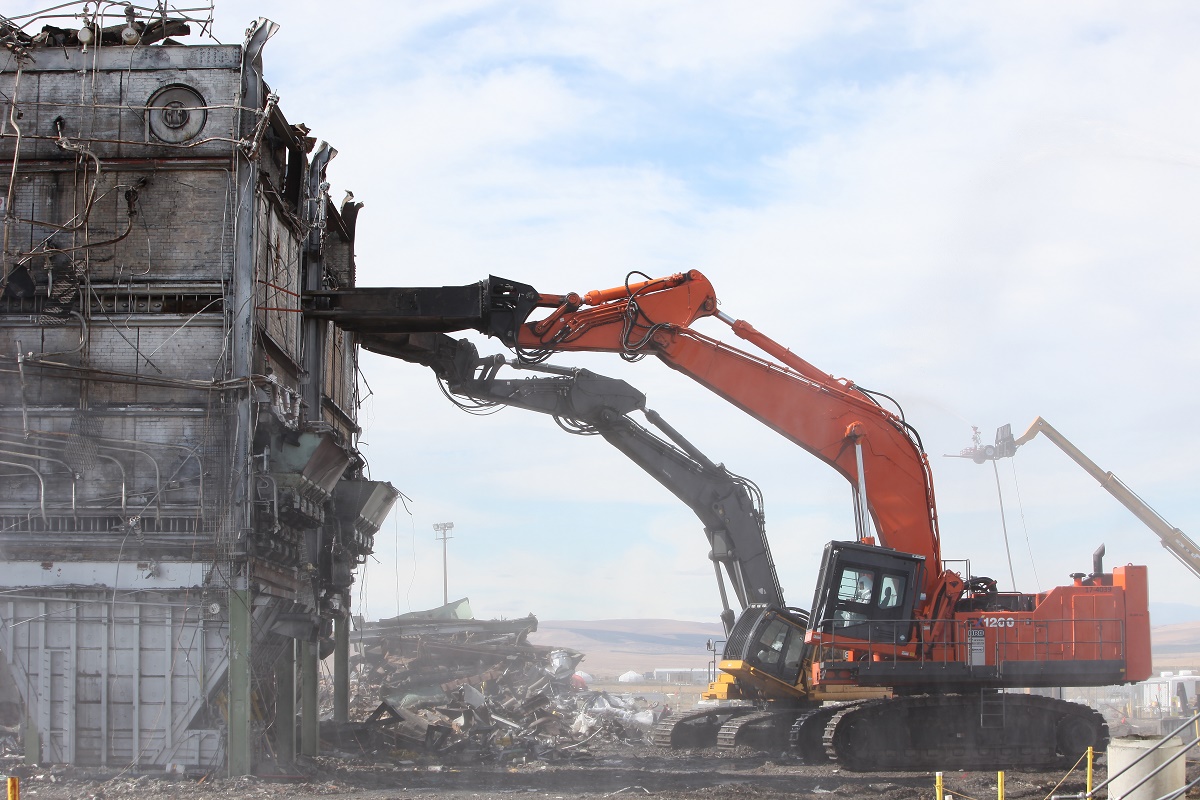
For more than 40 years, the federal government produced plutonium for America’s nuclear weapons program at Hanford Site, in SE Washington. Since plutonium production ended in 1989, the focus has shifted to the world’s largest and most expensive environmental cleanup effort.

When people hear about the cleanup of nuclear waste at Hanford, reactions range from outrage to concern. The amount of hazardous waste is vast, and the cleanup effort took some time to find legs. This talk will give a quick history of Hanford Site and explore past and present effects on the Columbia River.

Near the Oregon border lay extensive contamination in hundreds of solid waste burial trenches and contaminated facilities, including 9 former plutonium production reactors and 5 large chemical reprocessing plants. About 50 miles of the Columbia River runs through Hanford Site before flowing into the state. Surface cleanup is nearly complete along the shoreline, and groundwater treatment has greatly reduced the amount of contaminants reaching the Columbia River.

Sara Lovtang works for the OR Department of Energy. Through Superfund regulations, she and other members of the Hanford Natural Resource Trustee Council strive to restore ecosystems injured by releases and cleanup activities at the Hanford Site. Before her career with ODOE, she was a plant ecologist with the USDA Forest Service and interpreted Hazardous Waste Operations and Emergency Response standards for the OSHA in Washington DC.

  • Event Date

    Wednesday, October 9, 2024

  • Start Time

    7:00 pm Pacific

  • End Time

    8:30 pm Pacific

  • Tickets

    Door

    General Admission: $20

    get tickets

    Ticket fine print

    We at Science on Tap are committed to offering educational opportunities to adults who want to learn. If the ticket price is a hardship for you, please write to us and we're happy to provide reduced-price tickets to those who request them.

  • Venue

    Kiggins Theatre

Un-Damming the Klamath: River Health as Defined By Its Ecosystems & Its Peoples

In 2023, work began on removing 1 of 4 dams along the Klamath River – the world’s largest dam removal – after decades of activism finally found success. Learn more about the Klamath River dam removals, ecosystem, and people in this Science on Tap.

This show will cover what’s been happening and describe some of the very interdisciplinary and cross-cultural research that is being led by OSU. Researchers have been in the river and on the ground, sampling the river and surveying the people, all with the goal of better understanding the health of the river and its people as they undergo major changes.

This place-based science relies on strong collaborations with the Yurok Tribe and engagement with scientists and a diversity of local stakeholders. The result is knowledge co-production on subjects ranging from reservoir sediment erosion patterns to changes in water quality and algae in the river to perceptions about drivers and management of river health from diverse river users. This presentation will summarize what we’ve learned so far on these topics and provide a visual tour of the dam removals from a variety of perspectives.   

Desiree Tullos, PhD, PE (OR) is a Professor in the Biological and Ecological Engineering Department at OSU. Her research emphasizes the sustainable engineering and management of rivers by examining the intersections of hydraulics, infrastructure, ecology, and society.

Bryan Tilt Ph.D is a professor of anthropology at OSU. He is an environmental anthropologist who specializes in natural resources and energy development in contemporary China and the United States.

  • Event Date

    Wednesday, September 11, 2024

  • Start Time

    7:00 pm Pacific

  • End Time

    8:30 pm Pacific

  • Tickets

    Door

    General Admission: $20

    get tickets

    Ticket fine print

    We at Science on Tap are committed to offering educational opportunities to adults who want to learn. If the ticket price is a hardship for you, please write to us and we're happy to provide reduced-price tickets to those who request them.

  • Venue

    Kiggins Theatre

Good Vibrations: Pest Control Using Robots

What if we could control for pests with vibrations instead of chemicals?

Pesticides, as we all know, can wreak environmental havoc. Yet, the treehopper insect is the fear of vineyard operators in the PNW, as it spreads devastating red blotch disease. And brown marmorated stink bugs are the bane of hazelnut crops. What alternatives are out there for farmers?

What if we used the knowledge that bugs talk to each other via vibrations, especially during mating time? Researchers have developed a device called the “Pied Piper”, which can be taught bug “languages” and then used to mimic them. It then “communicates” with insects by luring them out into the open, and confusing them into missing their mating window. A nonlethal, targeted, organic option that eliminates pesticide runoff into the environment and can be reused.

At this Science on Tap, learn about how this approach could be applied to other pests (researchers are expanding the Pied Piper’s repertoire to other bugs, like brown marmorated stink bugs) and what work has been done so far.

Vaughn Walton serves as a leader in OSU’s Horticultural Pest Management team in diverse integrated pest management programmatic areas.  His work includes research in integrated pest management (IPM) for small fruit and on tree crops. Walton employs both ecologically and mechanistic information to manage these pests from a whole-system perspective.

  • Event Date

    Wednesday, July 10, 2024

  • Start Time

    7:00 pm Pacific

  • End Time

    8:30 pm Pacific

  • Tickets

    Door

    General Admission: $20

    get tickets

    Ticket fine print

    We at Science on Tap are committed to offering educational opportunities to adults who want to learn. If the ticket price is a hardship for you, please write to us and we're happy to provide reduced-price tickets to those who request them.

  • Venue

    Kiggins Theatre

Summer of the Sharks: Studying Ocean Predators

The word “shark” has historically conjured images of a mindless, man-eating machine. Yet there are over 500 shark species of all shapes and sizes, consuming everything from seagrass to marine mammals. All are critical to our oceans, and their presence usually indicates that an ecosystem is healthy. However, in order to reverse their decline, we need to know more about them.

How do sharks behave?
What is their population size?
How old do they get?
How many young do they have?

Getting answers is a huge challenge – how do you study something that is out of sight and sometimes larger than your own boats? Oregon’s waters are home to 15 shark species, but a dedicated research program was only recently established for these animals – the Big Fish Lab at Oregon State University. At this Science on Tap, learn about their innovative research methods, from animal-borne cameras and “FitBits” to satellite tracking to drone footage, as well as why this information is critical to conservation.

Some of their scientists have been featured on Shark Week, BBC and National Geographic, so come prepared with all of your questions about sharks, shark science, and sharks in the public eye!

Dr. Alexandra (Alex) McInturf (she/her) is a research associate in the Big Fish Lab (BFL) at Oregon State University. Her research focuses on the social lives of sharks and tracking the movements and assessing the diets of many species. She completed her PhD in Animal Behavior at the University of California, Davis in 2021. She has been with the Big Fish Lab since then, where she conducts her research, mentors the BFL’s many undergraduate and graduate students, and leads community engagement efforts.

  • Event Date

    Wednesday, July 24, 2024

  • Start Time

    7:00 pm Pacific

  • End Time

    8:30 pm Pacific

  • Tickets

    Door

    General Admission: $25

    get tickets

    Ticket fine print

    We at Science on Tap are committed to offering educational opportunities to adults who want to learn. If the ticket price is a hardship for you, please write to us and we're happy to provide reduced-price tickets to those who request them.

  • Venue

    Alberta Rose Theatre
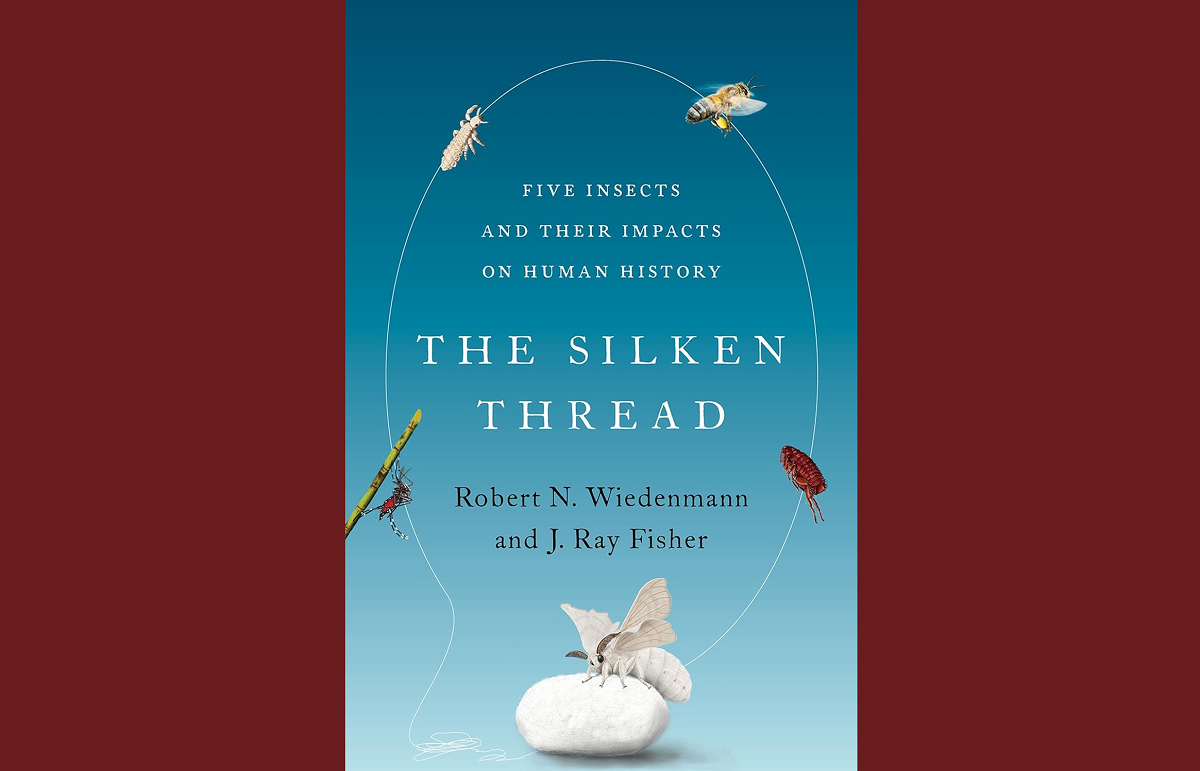
Living with Wildfire: Perspectives From a Former Firefighter

What’s it like to work on the front lines of a wildfire? 
How and why are wildfires changing in the Northwest?

This talk will jump into both of these topics, while also expanding on how you can prepare for a future of fire in the Northwest. 

Amanda Monthei spent four years working as a wildland firefighter—including two years as a US Forest Service hotshot (a highly-trained team) based in the Mt. Hood National Forest. Her work gave her a first-hand glimpse at the way PNW ecosystems are shifting and how both wildfire and climate change play a critical role. This talk will give you an inside glimpse at what this unique job entails, as well as the challenges facing wildland firefighters right now. 

She’ll also address why our temperate rainforests no longer feel like the wildfire-safe haven they once were. Believe it or not, fire belongs in these “wet side” ecosystems! But while infrequent, these fires tend to be catastrophically large and fast-moving – take the Labor Day fires of 2020 as an example of how these ecosystems can burn. Explore why this relationship is expected to grow more tenuous as climate change brings more extended drought and other climactic changes to the Northwest. 

Amanda Monthei left firefighting in 2019 and found a niche career in writing about wildfire, including for outlets like The Washington Post, The Atlantic, Deseret News, Patagonia and NBC News. She also produces and hosts a podcast, Life with Fire, which examines our relationship with wildfires and how we can better coexist with them. She lives in Bellingham, WA. 

  • Event Date

    Wednesday, June 26, 2024

  • Start Time

    7:00 pm Pacific

  • End Time

    8:30 pm Pacific

  • Tickets

    Door

    General Admission: $25

    get tickets

    Ticket fine print

    We at Science on Tap are committed to offering educational opportunities to adults who want to learn. If the ticket price is a hardship for you, please write to us and we're happy to provide reduced-price tickets to those who request them.

  • Venue

    Alberta Rose Theatre
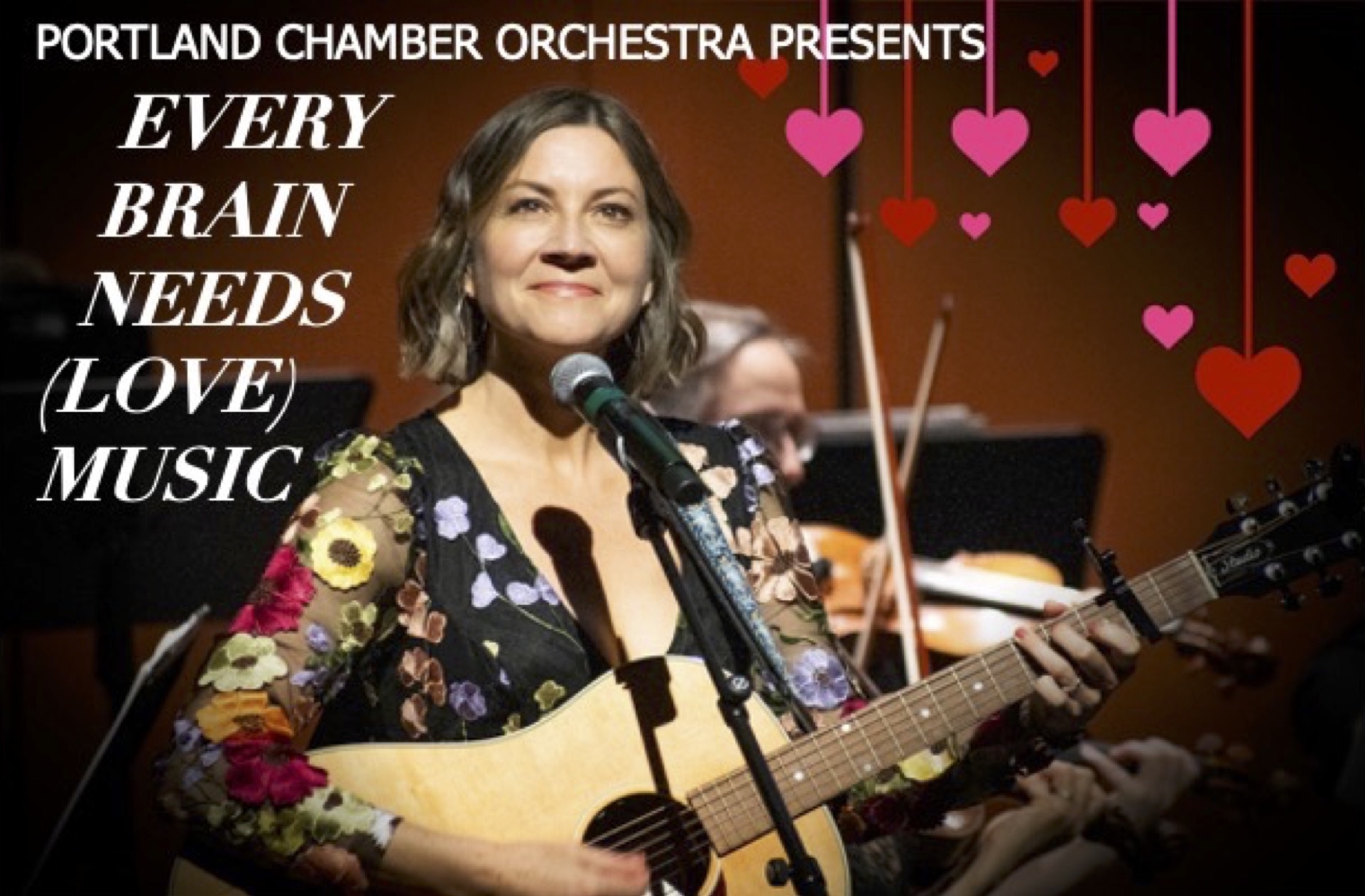
Evolution Under the Influence: Alcohol and the Coevolution of Humans and Yeast

Have you ever sat down at a bar, ordered a beer, and thought to yourself, “Why do humans even have so many specific genes for breaking down alcohol?” This is what happens when a guy with a PhD in Molecular and Medical Genetics from OHSU starts making booze professionally. The answer, as it turns out, takes you a long way back in human history; our relationship with yeast (the organism that makes alcohol), predates human evolution.

At this Science on Tap, Dr. Kevin McCabe, Winemaker, Enologist, and Beekeeper at Double Strand Wine, will take you through the history of primate alcohol consumption, the importance of yeast and alcoholic fermentation to human history, and how early microbiology turned the tables on yeast and gave humans control over our boozy destiny.

  • Event Date

    Wednesday, April 24, 2024

  • Start Time

    7:00 pm Pacific

  • End Time

    8:30 pm Pacific

  • Tickets

    Door

    General Admission: $25

    get tickets

    Ticket fine print

    We at Science on Tap are committed to offering educational opportunities to adults who want to learn. If the ticket price is a hardship for you, please write to us and we're happy to provide reduced-price tickets to those who request them.

  • Venue

    Alberta Rose Theatre
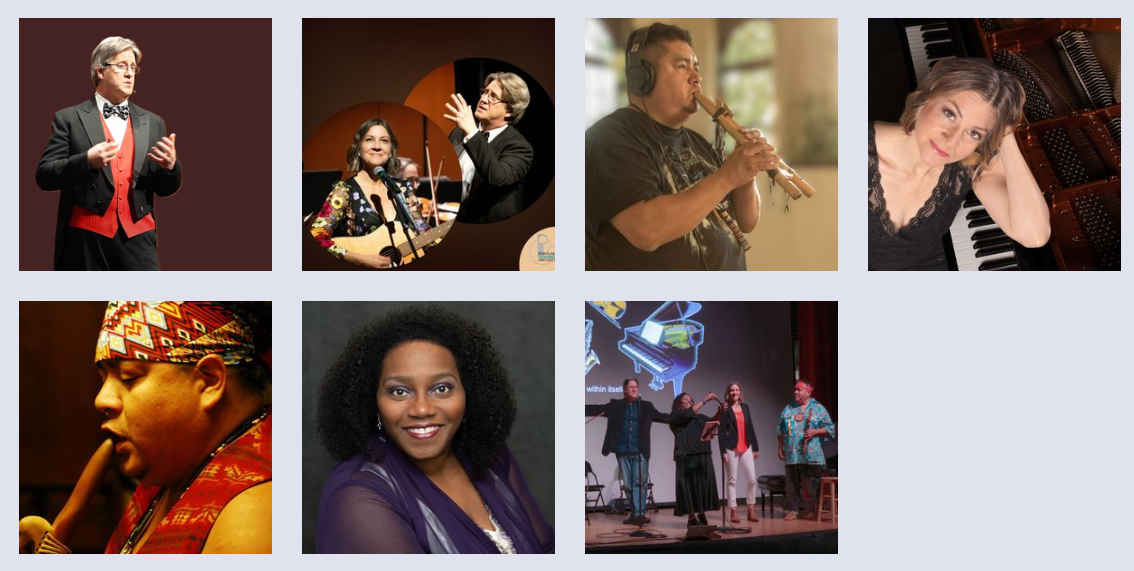
My Life is Mostly a Disaster: Perspectives of a Multihazard First Responder

Natural hazards are an unavoidable part of everyday life. In many cases, it’s the proverbial “it’s not if, but when” they might occur. Whether a wildfire threatens a local community or an earthquake devastates an entire region, the moment a hazard becomes a disaster there is a vital need for those impacted to have access to critical information. But where do you find timely, credible information? Well, the details of what has happened come from researchers and investigators, while the information people receive is shared by public information officers. Today’s speaker is both.

Steven Sobieszczyk is a scientist and spokesperson with the U.S. Geological Survey (USGS). While “Sobie” spent most of his career researching landslide hazards, sediment transport, and flooding, he now focuses on science communication and public information. Steve is a multihazard first responder and has spoken extensively about everything from earthquakes in Puerto Rico and eruptions in Hawaii to wildfires and floods across the U.S.

Join us for what should be a captivating evening of stories and insights into what it’s like to live a life where each day is one disaster after another. Special focus on the:

  • Granite Pass Wildfire Complex
  • Vicksburg Cemetery Landslide
  • M6.4 Puerto Rico Earthquake
  • 2022 Mauna Loa Eruption

Steven Sobieszczyk has spent 23 years with the USGS. Currently, he serves as media lead for natural hazards at the bureau. Between 2005 and 2010, Steve earned degrees in landslide engineering geology, hydrology, and geographic information systems (GIS) from Portland State University. Besides his research, Sobie’s passion is to help others communicate better, regardless of their background or interests. Never satisfied, Steve has developed broad expertise, including being a professor, author, videographer, and artist. He is a co-founder of the Association of Science Communicators (ASC) and spends part of the year as an incident first responder for wildfires and other natural disasters.

  • Event Date

    Wednesday, May 8, 2024

  • Start Time

    7:00 pm Pacific

  • End Time

    8:30 pm Pacific

  • Tickets

    Door

    General Admission: $20

    get tickets

    Ticket fine print

    We at Science on Tap are committed to offering educational opportunities to adults who want to learn. If the ticket price is a hardship for you, please write to us and we're happy to provide reduced-price tickets to those who request them.

  • Venue

    Kiggins Theatre
Lava, Mudflows and Ash: Volcanoes in the Pacific Northwest

The Cascades Range is home to many volcanoes, but how active and dangerous are they? What are the greatest hazards from volcanoes in the Pacific Northwest, who monitors them, and how?  

At this Science on Tap, Jon Major explores volcanic processes associated with volcanic eruptions and their aftermath, provides insights on the greatest threats posed by the Cascades volcanoes, and reveals how our regional volcanoes are monitored and why. The great 1980 eruption of Mount St. Helens fundamentally changed how scientists viewed volcanic eruptions. The four decades since have seen significant advancements in our understanding of volcanic histories, processes, hazards, monitoring capabilities, and the role that scientists have in communicating with governmental agencies and the public.

Jon Major is the Scientist-in-Charge at the US Geological Survey Cascades Volcano Observatory in Vancouver, Washington. He has worked at volcanoes in Washington, Oregon, Alaska, El Salvador, Chile, and the Philippines. He has been working at Mount St. Helens since 1981, and has been with the Cascades Volcano Observatory since 1983.

Back by popular demand! This is a repeat show from 9/21/22 at Kiggins Theatre in Vancouver.
  • Event Date

    Wednesday, May 22, 2024

  • Start Time

    7:00 pm Pacific

  • End Time

    8:30 pm Pacific

  • Tickets

    Door

    General Admission: $25

    get tickets

    Ticket fine print

    We at Science on Tap are committed to offering educational opportunities to adults who want to learn. If the ticket price is a hardship for you, please write to us and we're happy to provide reduced-price tickets to those who request them.

  • Venue

    Alberta Rose Theatre
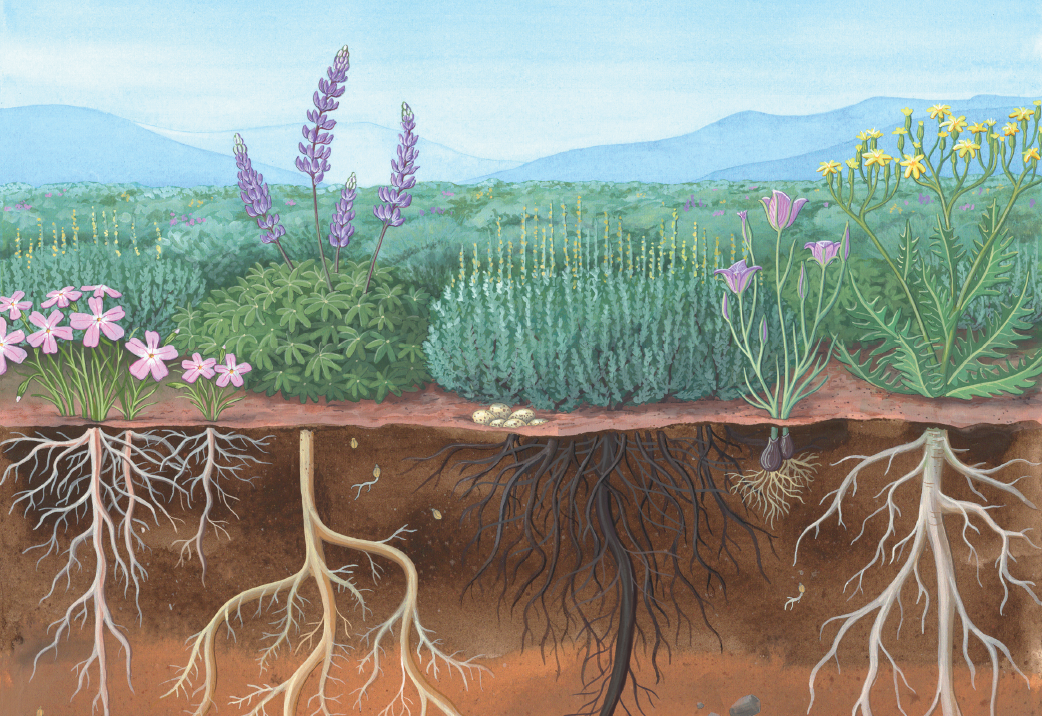
Molds, Mushrooms, and Medicines: Our Lifelong Relationship with Fungi

The hidden role of fungi inside and all around us.

From beneficial yeasts that aid digestion to toxic molds that cause disease, we are constantly navigating a world filled with fungi. Our health and well-being depend on an immense ecosystem of yeasts and molds inside and all around us.

Come on a guided tour of a marvelously unseen realm, describing how our immune systems are engaged in continuous conversation with the teeming mycobiome inside the body, and how we can fall prey to serious and even life-threatening infections when this peaceful coexistence is disturbed. Our speaker also sheds light on our complicated relationship with fungi outside the body, from wild mushrooms and cultivated molds that have been staples of the human diet for millennia to the controversial experimentation with magic mushrooms in the treatment of depression.

Drawing on the latest advances in mycology, Molds, Mushrooms, and Medicines reveals what scientists are learning about the importance of fungi to our lives, from their vital role in supporting the ecosystems on which we depend to their emerging uses in lifesaving medicine.

Nicholas Money is a mycologist and professor at Miami University in Oxford, Ohio.

Get 15% off the book and your ticket when you buy them together! (see ticket options on the Get Tickets link)

  • Event Date

    Wednesday, September 25, 2024

  • Start Time

    7:00 pm Pacific

  • End Time

    8:30 pm Pacific

  • Tickets

    Door

    General Admission: $25

    get tickets

    Ticket fine print

    We at Science on Tap are committed to offering educational opportunities to adults who want to learn. If the ticket price is a hardship for you, please write to us and we're happy to provide reduced-price tickets to those who request them.

  • Venue

    Alberta Rose Theatre
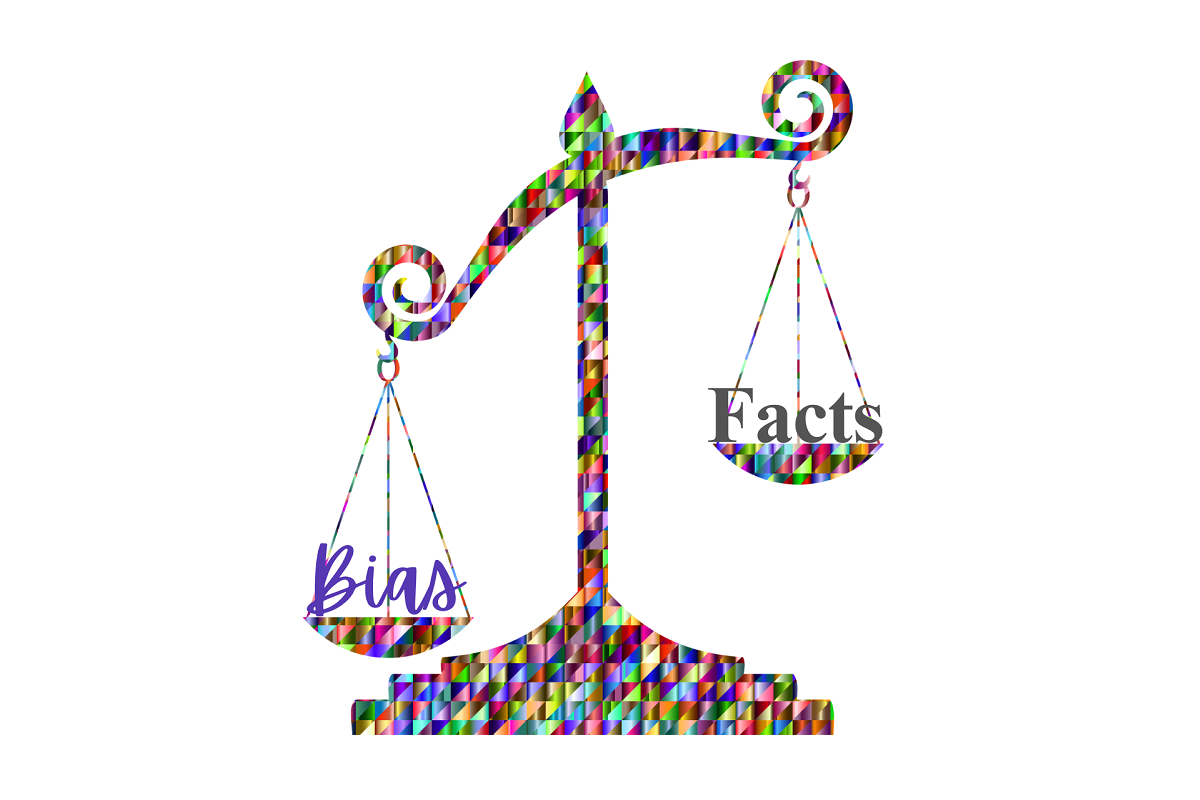
The Mother and Child Union: A Musical, Poetic, & Neuroscientific Journey

This multi-media event explores the fascinating ways that motherhood changes the brains of both mothers and children throughout their lives. Author, public speaker, and neuroscientist Dr. Larry Sherman will discuss how a mother’s brain changes during pregnancy and after birth, the neuroscience of the bonding that occurs in the brains of both, what happens when mothers sing to their children, and how a mother’s brain changes with their experiences with their children over the course of their lives.

These discussions will be highlighted by music performed by singer-songwriter Naomi LaViolette along with readings of the poetry of Ann Taylor, Nikita Gill, Margaret Hasse, and Alice Walker, and visual art that celebrates motherhood and all of its wonders and challenges.

Dr. Larry S. Sherman is a professor in the Division of Neuroscience at the Oregon National Primate Research Center and in the Department of Cell, Developmental and Cancer Biology at OHSU. He is also the President of the OR and SW WA Chapter of the Society for Neuroscience. He has over 100 publications related to brain development, neurodegenerative diseases, and neurofibromatosis. His book, Every Brain Needs Music: The Neuroscience of Making and Listening to Music, which he wrote with Portland musician and music professor Dennis Plies, was recently published by Columbia University Press.

Naomi LaViolette is a composer, performer, singer-songwriter and versatile pianist based in Portland, Oregon. Since 2004, the Oregon Repertory Singers have made her an essential part of their artistic staff as their pianist.  A published choral composer with Santa Barbara Publishing, her works have been performed and recorded by many choirs around the US, including the Oregon Repertory Singers’ album Shadows on the Stars, winner of the American Prize.

  • Event Date

    Wednesday, March 13, 2024

  • Start Time

    7:00 pm Pacific

  • End Time

    8:30 pm Pacific

  • Tickets

    Door

    General Admission: $20

    get tickets

    Ticket fine print

    We at Science on Tap are committed to offering educational opportunities to adults who want to learn. If the ticket price is a hardship for you, please write to us and we're happy to provide reduced-price tickets to those who request them.
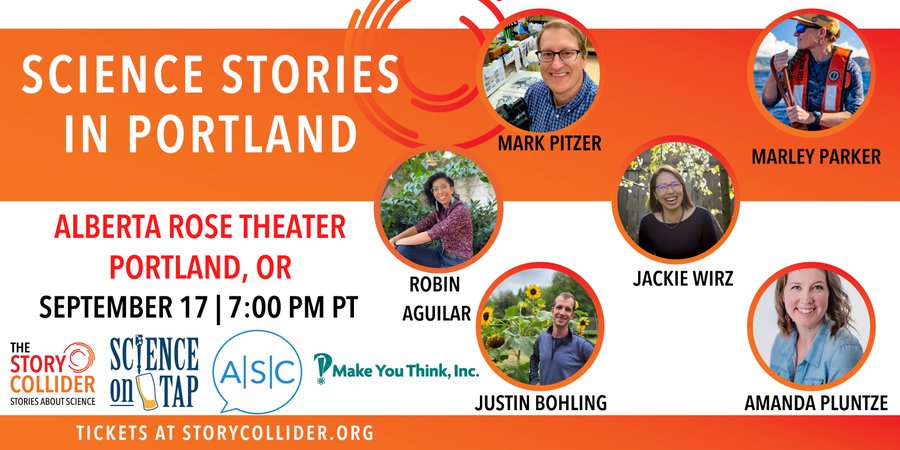
  • Venue

    Kiggins Theatre

  • Find this event on

Bees! Gardening, Citizen Science, and the WA Bee Atlas

When we hear ‘bee’ we often think of the European honey bee, but there are at least 600-700 species of bees in Washington and Oregon. Native bees are very different, but we know very little about their status. What flowers do they pollinate? Where and when do they nest? How can we use our gardens to support them?

Washington has implemented the Washington Bee Atlas (WaBA) to find out more. It was formed in 2023 and modeled after the successful Oregon Bee Atlas, which has added 220 bee species to their state list! These community science groups train volunteers to collect, pin, and label bee specimens. Many of the volunteers have no science or entomology background. They post data through the app iNaturalist, providing date, location, collector and host plant information. The specimens are then identified by professionals, deposited at WSU or OSU insect collections, and the data made public! This information is highly valuable to conservation efforts of all 600+ species of native bees known to occur in the PNW.

This Science on Tap will talk about native bee biology and general gardening guidelines, then give an introduction to Washington Bee Atlas and how it all works.

Dr. Karen Wright got her Master’s degree at OSU in Entomology (working on true bugs and beetles in hazelnuts), then moved to New Mexico where she started her career working on native bees. She developed a collection of over 600 species of bees from central New Mexico, and the long-term study is still ongoing with over 20 years of data. She got her PhD from the University of New Mexico on the Evolution of Diet Breadth in Melissodes bees and was curator of the insect collection at Texas A&M University for six years until being hired to develop and manage the Washington Bee Atlas. She has happily relocated to Yakima, Washington with her dogs and husband.

  • Event Date

    Wednesday, April 10, 2024

  • Start Time

    7:00 pm Pacific

  • End Time

    8:30 pm Pacific

  • Tickets

    Door

    General Admission: $20

    get tickets

    Ticket fine print

    We at Science on Tap are committed to offering educational opportunities to adults who want to learn. If the ticket price is a hardship for you, please write to us and we're happy to provide reduced-price tickets to those who request them.

  • Venue

    Kiggins Theatre

Curing Climate Change? Smoke, Haze, and Solar Intervention

There’s a lot going more on in the skies that’s affecting climate than just fossil fuel emissions increasing CO2! Particles in the atmosphere — like smoke from fires and pollution from engines and industrial activities — are affecting our climate. Yet, their influence on climate might surprise you – they actually act to cool the planet and “mask” some of the greenhouse gas warming.

Research scientist Dr. Sarah Doherty will talk about how particles in the atmosphere are already affecting climate, how these influences are likely to change in the future, and whether these effects can be leveraged to rapidly reduce global warming to avoid many of the negative impacts of climate change.
What are the ideas?
What’s being done so far?
Why are scientists considering these ideas?

This talk will discuss the current climate trajectory, and why cutting emissions alone won’t be enough to keep global warming from exceeding the 1.5-2 C of warming that scientists have identified as “dangerous levels of climate change”.

Dr. Sarah Doherty is a Senior Research Scientist at the University of Washington. Her interest in atmospheric science began with a year of work in Antarctica, where she was helping make measurements to better understand the ozone hole. Since getting her PhD, much of her research has involved making measurements of smoke and pollution in different parts of the world, including off the coasts of Africa, China, India, and the Arctic, and understanding how they affect climate. She has also been involved with multiple scientific assessments, including the U.S. National Climate Assessment and two international assessments of the state of the ozone layer.

  • Event Date

    Wednesday, October 23, 2024

  • Start Time

    7:00 pm Pacific

  • End Time

    8:30 pm Pacific

  • Tickets

    Door

    General Admission: $25

    get tickets

    Ticket fine print

    We at Science on Tap are committed to offering educational opportunities to adults who want to learn. If the ticket price is a hardship for you, please write to us and we're happy to provide reduced-price tickets to those who request them.

  • Venue

    Alberta Rose Theatre

Modern Baby-Making: How Reproductive Tech Impacts Our Identity

These days, we can send sperm in the mail, freeze eggs, and donate embryos. Advances in reproductive medicine (insemination, IVF, donor conception, and surrogacy) not only enable us to create humans in all sorts of ways; they also empower us to form family in novel ways. Yet, when parents and teachers explain human reproduction, they often use the same old talk – something about a “mommy and a daddy loving each other very much.”

How do kids feel about the new technologies that bring them into the world? What is their experience when we leave their origin story out of the explanation of human reproduction, and marginalize families that don’t fit the norm? How does this impact their identity and well-being?

Using science, stories, and personal experience, educator and consultant Rachel Ginocchio discusses how to update and expand the explanation of human reproduction and family formation – both in school and at home – so that it is equally inclusive of all humans in any family structure. She explains how a richer, more complex discussion helps all kids gain a better sense of themselves, their family, and the world around them.

Get 15% OFF the ticket and the book when you buy the Book + Ticket option! (See Kiggins ticket site)

Rachel Ginoccio holds a Master’s Degree in Public Health (MPH) from the University of Washington, and has been working in the field of reproductive health and sexual health education for over a dozen years. Most recently, she founded Roads to Family, through which she writes, teaches and consults about puberty, human reproduction, and family formation. She is also the author of Roads to Family: All the Ways We Come to Be. In addition, Rachel comes from a three generation family formed through foster care, adoption, and assisted reproduction.

Photo credit: Mel Latthitham

  • Event Date

    Wednesday, February 14, 2024

  • Start Time

    7:00 pm Pacific

  • End Time

    8:30 pm Pacific

  • Tickets

    Door

    General Admission: $20

    get tickets

    Ticket fine print

    We at Science on Tap are committed to offering educational opportunities to adults who want to learn. If the ticket price is a hardship for you, please write to us and we're happy to provide reduced-price tickets to those who request them.

  • Venue

    Kiggins Theatre

Rescheduled: Cataclysms on the Columbia: The Great Missoula Floods

Note: Due to crazy ice conditions, we have rescheduled to TUESDAY, Feb 6th. The theatre will honor tickets purchased or refund if necessary.

One of the greatest sets of geological events to ever have occurred in North America was the Missoula Floods. Occurring as many as 40 times during the last ice age, the floods were caused by waters released from ancient Lake Missoula that scoured the Columbia River basin, carved out the Columbia River Gorge, and swept across at least 16,000 square miles of the Pacific Northwest.

At this Science on Tap, Dr. Scott Burns, professor of geology and past chair of the Department of Geology at PSU, will focus on the incredible story of the discovery and development of the idea of the floods by J Harlen Bretz and will discuss the effect of the floods on the landscape of the Willamette Valley and the area around us.

  • Event Date

    Tuesday, February 6, 2024

  • Start Time

    7:00 pm Pacific

  • End Time

    8:30 pm Pacific

  • Tickets

    Door

    General Admission: $20

    get tickets

    Ticket fine print

    We at Science on Tap are committed to offering educational opportunities to adults who want to learn. If the ticket price is a hardship for you, please write to us and we're happy to provide reduced-price tickets to those who request them.

  • Venue

    Kiggins Theatre

Go Recycle Yourself: Organ, Eye, and Tissue Donation

Is it true that we can 3D print organs?
Can we transplant a brain yet?
Do celebrities get organs faster?
Why donate at all?

Organ, eye, and tissue donation are essential parts of modern medicine, but there is still a lot of misinformation and misunderstanding about the field. In this talk, we will explore the amazing, sometimes grotesque but always fascinating science behind organ donation and debunk some of the most common myths.

Why is this topic important? There are 111,000 people on the organ donation wait list right now – as if Autzen (Go Ducks!), Reser (Go Beavs!), and the Moda Center (Go Blazers!) were all filled to capacity! Nearly 1 in 20 people will benefit from a tissue donation during their lives. Join in the conversation as we learn more about the history of organ donation, how it saves lives, and how the science continues to make science fiction into science fact.

If you’ve been to a Science on Tap lately, you already know our speaker as one of our beloved and enthusiastic emcees of the show! Now we get a chance to learn about one of her passions.

Bio: Dr. Jackie Wirz is a biochemist by training, a nonprofit executive by profession, and a passionate community advocate. Her research career spanned 15 years and included DNA repair to the structural properties of skin. She spent 10 years as a faculty member and dean at OHSU, and currently serves as the executive director of Donate Life Northwest.

  • Event Date

    Wednesday, October 25, 2023

  • Start Time

    7:00 pm Pacific

  • End Time

    8:30 pm Pacific

  • Tickets

    Door

    General Admission: $20

    get tickets

    Ticket fine print

    We at Science on Tap are committed to offering educational opportunities to adults who want to learn. If the ticket price is a hardship for you, please write to us and we're happy to provide reduced-price tickets to those who request them.

  • Venue

    Kiggins Theatre

Within Reach: The Fight to Finish Cancer

Within Reach takes you behind the scenes of an immunotherapy clinical trial at Providence Cancer Institute, where doctors and scientists race against the clock to develop gene-engineered T cells for patients who have exhausted all other forms of treatment. Watch as researchers make international headlines for a breakthrough in pancreatic cancer and meet the patients who are the first in the world to receive this type of innovative immunotherapy. 

A panel discussion with Providence researchers will follow the 45-minute documentary. Panel members:
R. Bryan B. Bell, MD, DDS, FACS, FRCS(Ed)
Rachel E. Sanborn, MD | Portland, OR (providence.org)

Within Reach is produced by Providence Foundations of Oregon in partnership with ZP Productions. Watch the trailer:

  • Event Date

    Wednesday, January 24, 2024

  • Start Time

    7:00 pm Pacific

  • End Time

    8:30 pm Pacific

  • Tickets

    Door

    General Admission: $25

    get tickets

    Ticket fine print

    We at Science on Tap are committed to offering educational opportunities to adults who want to learn. If the ticket price is a hardship for you, please write to us and we're happy to provide reduced-price tickets to those who request them.

  • Venue

    Alberta Rose Theatre