Anti-vaxxers: How to Challenge a Misinformed Movement

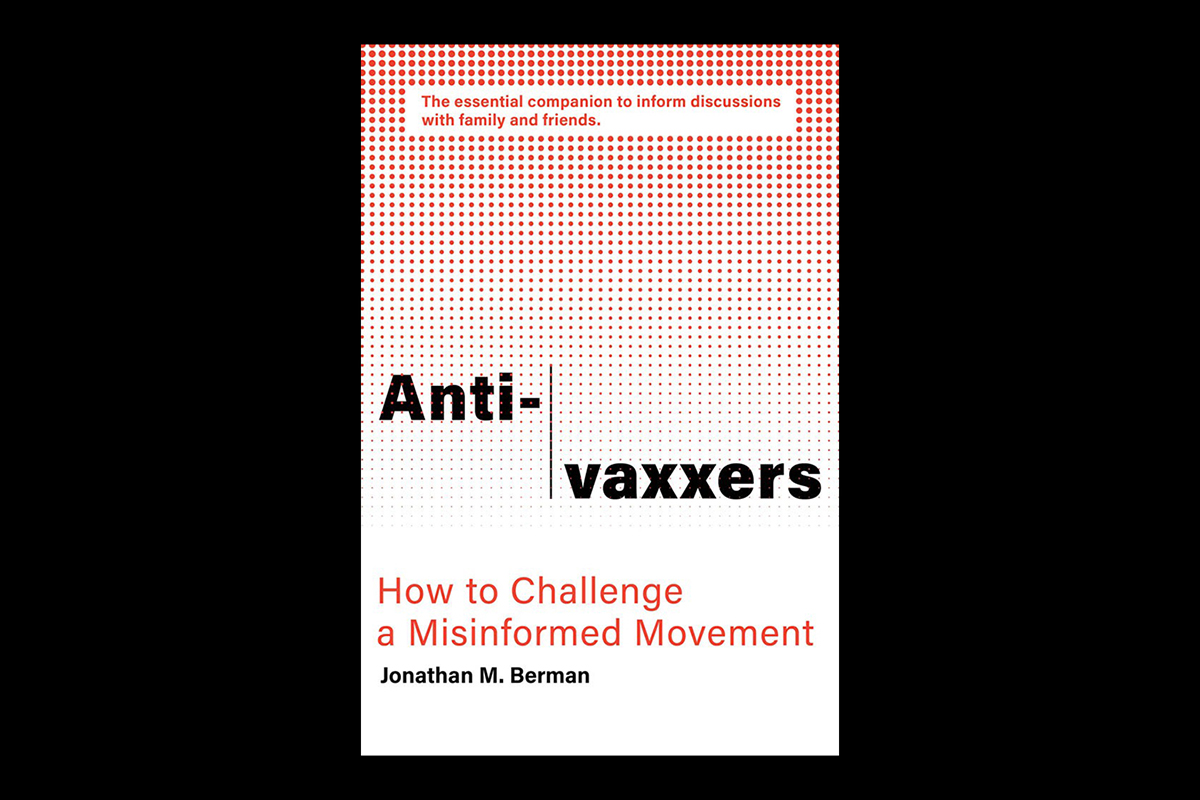
Vaccines are a documented success story, one of the most successful public health interventions in history. Yet there is a vocal anti-vaccination movement, featuring celebrity activists and the propagation of anti-vax claims through books, documentaries, and social media.  Join us for a discussion of the book Anti-vaxxers: How to Challenge a Misinformed Movement, where author Jonathan Berman explores the phenomenon of the anti-vaccination movement, recounting its history from its nineteenth-century antecedents to today’s activism, examining its claims, and suggesting a strategy for countering them.

Anti-vaxxers have changed their minds, but rarely because someone has given them a list of facts. Berman argues that anti-vaccination activism is tied closely to how people see themselves as parents and community members. Effective pro-vaccination efforts should emphasize these cultural aspects rather than battling social media posts. “Building trust and acting with kindness are important tools in the fight for public health.”

Given the need for a new vaccine to combat the COVID-19 pandemic, it is more important than ever that we work to ensure that politicians who understand the value of science are elected, that clinicians have enough tools to convince patients of the best course of action for their own and their children’s health, and that appealing lies never gain victory over hard-fought truths.

Jonathan M. Berman is Assistant Professor in the Department of Basic Sciences at NYITCOM–Arkansas. An active science communicator, he served as national co-chair of the 2017 March for Science.

  • Event Date

    Thursday, September 10, 2020

  • Start Time

    7:00 pm Pacific

  • End Time

    8:15 pm Pacific

  • Tickets


    Join our Patreon or make a one-time donation to support our efforts!

    Support Us
  • Venue

    Online

  • Location

    This event will take place in a Zoom Webinar. Attendees will be able to participate in the chat and submit questions for the live online Q&A with the speaker.

    Attendees will not be visible or audible during the event.

    Register for Zoom event.

  • Available Food & Drink

    Grab an (adult) beverage of your choice and join us!
  • Find this event on

Back to the Night: The Case for Dark Skies

For billions of years, night on this planet was lit only by the moon and stars, and life evolved under regular cycles of bright days and dark nights. All that has changed in the last 130 years, and night on Earth is now liberally colonized with artificial light. The overabundance of light at night has dire ecological consequences for plants, birds, fish, amphibians and other wildlife, as well as for human health, safety and culture.

At this Science on Tap we will delve into the importance of darkness for nocturnal wildlife as well as for the billions of migrating birds that use starry night skies to navigate. We will explore some of the night’s wondrous mysteries, the world class dark skies that we have in southeastern Oregon, and the local and international effort to preserve dark skies in both cities and wild places.

Mary Coolidge is Portland Audubon’s BirdSafe Campaign Coordinator, working with architects, planners, designers and residents to reduce hazards for birds in the urban environment while meeting other design, building performance and climate change objectives. Mary is dedicated to improving efforts to make urban environments more hospitable to wildlife and helping
connect people to nature and place. Mary splits her time between Portland Audubon and the California Condor breeding program.

  • Event Date

    Thursday, September 3, 2020

  • Start Time

    7:00 pm Pacific

  • End Time

    8:15 pm Pacific

  • Tickets


    Join our Patreon or make a one-time donation to support our efforts!

    Support Us
  • Venue

    Online

  • Location

    This event will take place in a Zoom Webinar. Attendees will be able to participate in the chat and submit questions for the live online Q&A with the speaker.

    Attendees will not be visible or audible during the event.

    Register for Zoom event.

  • Available Food & Drink

    Grab an (adult) beverage of your choice and join us!
  • Find this event on

I’m On the Front Lines of COVID-19: Ask Me Anything

Join us for this special panel discussion on the COVID-19 incident. In an event dedicated entirely to Q&A, the audience will be invited to ask questions about the current Coronavirus pandemic and get answers from experts in public health and emergency medicine. Our experts:

Maayan Simckes, PhD, MPH is an epidemiologist at Washington State Department of Health. She has been in COVID-19 Incident Management Team since January in a range of roles related to case and contact investigations. She also oversees training for all case and contact investigators working with Department of Health.

Guy Shochat, MD is a Professor and emergency care physician at the University of California San Francisco. His areas of special interest include managing emergency conditions that affect the airways and his research includes gathering data on emergency intubation. He also manages the electronic health record for the UCSF emergency department.

Questions can be submitted in advance by emailing info@scienceontaporwa.org — please use the subject “COVID Question.” Questions can also be submitted live during the event through text chat in Zoom and on Facebook, and the Q&A will be moderated by our host.

Statements during the event by Dr. Simckes and Dr. Shochat are based on their own views and experiences. Their comments do not represent the views of their respective agencies.

  • Event Date

    Thursday, August 27, 2020

  • Start Time

    7:00 pm Pacific

  • End Time

    8:15 pm Pacific

  • Tickets


    Join our Patreon or make a one-time donation to support our efforts!

    Support Us
  • Venue

    Online

  • Location

    This event will take place in a Zoom Webinar. Attendees will be able to participate in the chat and submit questions for the live online Q&A with the speaker.

    Attendees will not be visible or audible during the event.

    Register for Zoom event.

  • Available Food & Drink

    Grab an (adult) beverage of your choice and join us!
  • Find this event on

Understanding Bird Behavior: An Illustrated Guide to What Birds Do and Why

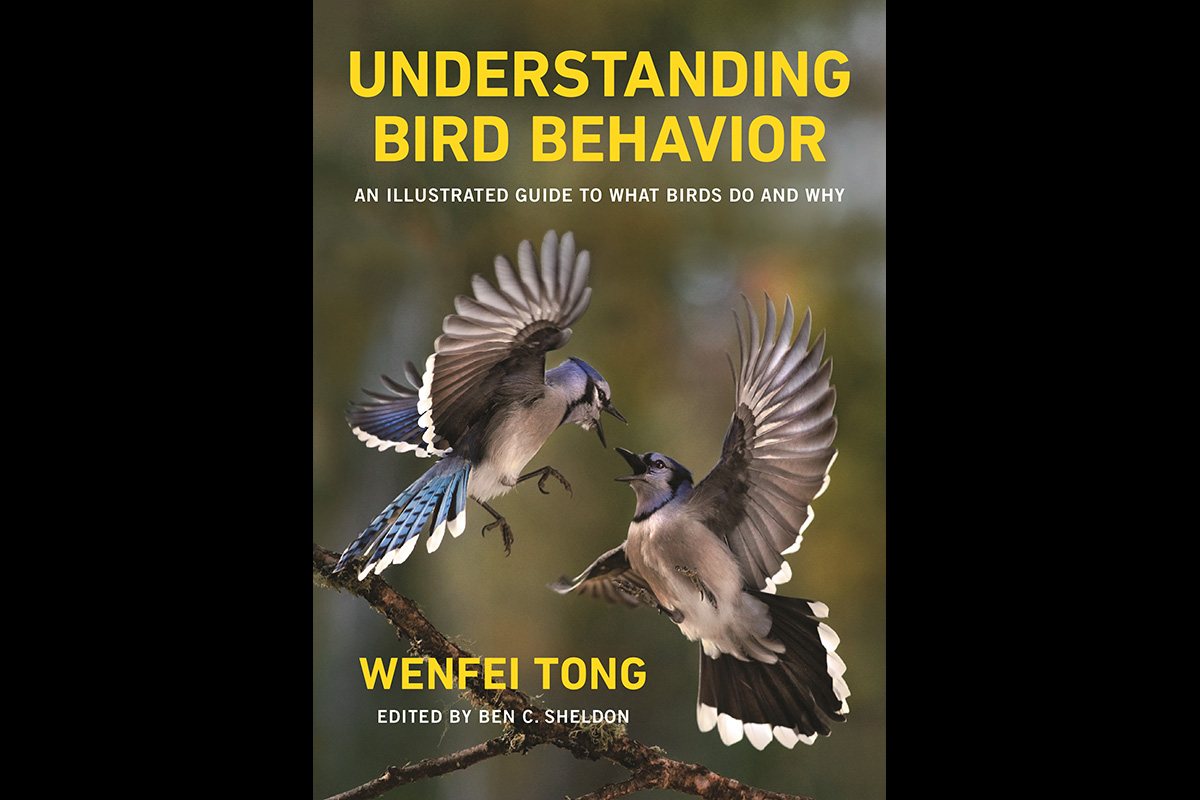
Birds are intelligent, sociable creatures that exhibit a wide array of behaviors—from mobbing and mimicking to mating and joint nesting. They have creative foraging techniques, including tool usage and thievery. Their courtship rituals to woo and win mates can be elaborate, and while they can show cooperation, there can also be familial conflicts that crop up among parents, offspring, and siblings. 

In this special avian Science on Tap, biologist and author Dr. Wenfei Tong will describe scientific research and fascinating vignettes about the private lives of birds, from finding food and family life, to coping with climate and other threats. Drawing from her two books Understanding Bird Behavior: An Illustrated Guide to What Birds Do and Why and Bird Love: The Family Life of Birds, she will share detailed images of all kinds of bird behavior. Also, learn how you as a citizen scientist can help add to what we know about birds in your part of the world.

Buy the book directly from Princeton Press and get 40% off!
Use Coupon Code: SCITAP
Offer good until October 1, 2020.

  • Event Date

    Thursday, September 24, 2020

  • Start Time

    7:00 pm Pacific

  • End Time

    8:15 pm Pacific

  • Tickets


    Join our Patreon or make a one-time donation to support our efforts!

    Support Us
  • Venue

    Online

  • Location

    This event will take place in a Zoom Webinar. Attendees will be able to participate in the chat and submit questions for the live online Q&A with the speaker.

    Attendees will not be visible or audible during the event.

    Register for Zoom event.

  • Available Food & Drink

    Grab an (adult) beverage of your choice and join us!
  • Find this event on

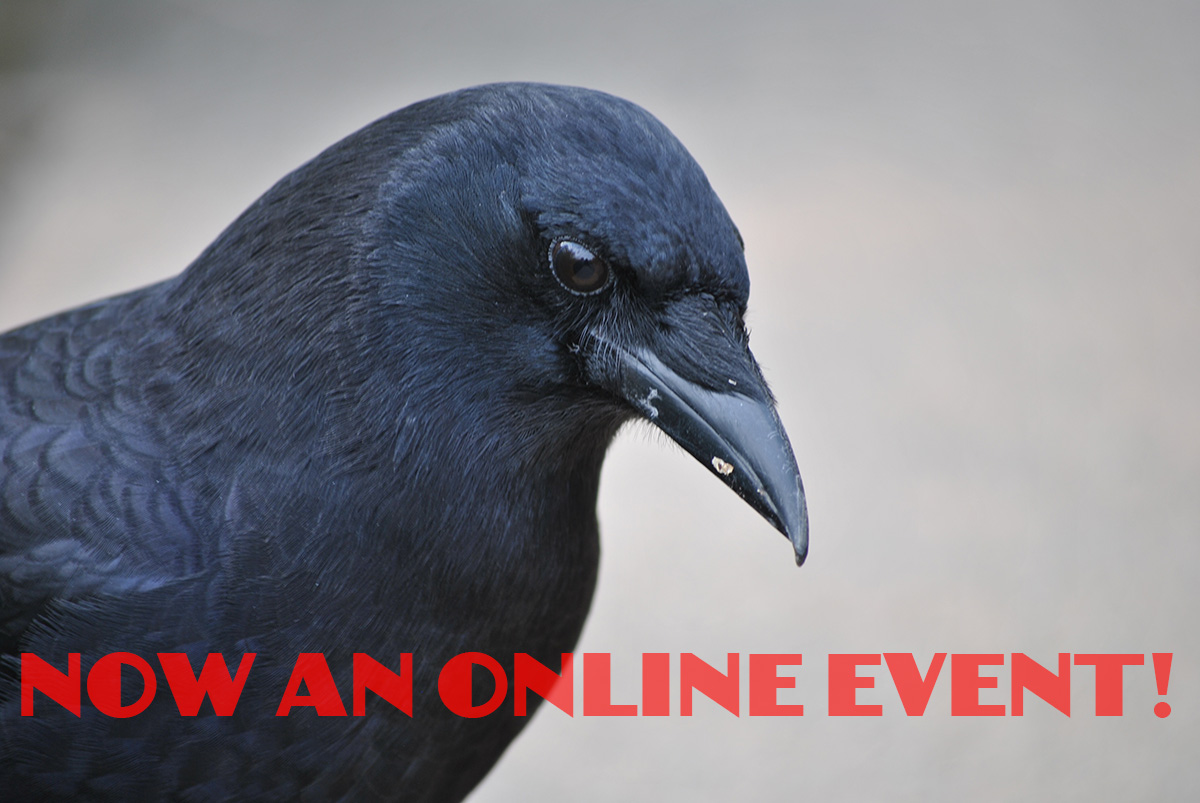
As the Crow Flies: Corvid Behavior, Play, and Funerals — Now on Zoom!

UPDATE JULY 9: This event scheduled for Saturday, August 8 will NOT be happening in person at the Aladdin Theater, but we WILL be hosting the event live on Zoom!

New event info:
Same Date & Time: Saturday, August 8 at 7:00pm Pacific
Tickets: $10 per Zoom registration, sign up here! (Tickets processed through Zoom and PayPal.)
Tickets for the Aladdin event will NOT transfer to the online event and you MUST register through Zoom. See FAQ below for details.

Event Description: Crows are everywhere: they are found on nearly every continent and thrive in human dominated environments. They have influenced art and literature throughout history, and whether they inspire love or hate, they have certainly impacted the hearts and minds of the humans who share their space. Because crows are so common, it may be easy to overlook the fact that they are very intelligent and have complex behaviors and social structures, including play, tool use, communal roosting, and being able to recognize specific humans.

Kaeli Swift, PhD, studies crows and other corvids (ravens, jays, and magpies), and will introduce and explain to us the world of these fascinating birds, including, of course, crow funerals. You can find Dr. Swift on Twitter and Instagram @corvidresearch where she talks about crows, corvids, and other wildlife and plays a weekly game called #CrowOrNo to help people learn how to correctly ID and distinguish different kinds of corvids.


FAQ

Q: What if I already have tickets to the event at the Aladdin? Will those tickets transfer to the new Zoom event?
A: Unfortunately, NO. Due to challenges with Eventbrite ticket processing we will NOT be able to transfer already purchased tickets to the new Zoom event. (Trust us, we tried to figure out a way.) The theater will be sending out an email to all current ticket holders with instructions for how to get a refund, or feel free to contact the Aladdin Theater directly. You will then need to go to the Zoom link and re-purchase a new registration for the online event. It’s a clunky process, but it’s the best we have.

Q: Can I buy tickets to the Zoom event if I did NOT have tickets before?
A: YES! This live Zoom event is open to anyone with a Zoom account and an internet connection worldwide.

Q: Can I watch this live event on Facebook Live or YouTube Live?
A: NO. The live event will ONLY be viewable through Zoom.

Q: Can I watch a recording of this event afterward?
A: YES! However the recording will ONLY be available to our Patreon supporters (minimum $5).

Q: Can I ask questions during the live event?
A: YES! All questions asked in the Zoom chat and Q&A will be forwarded through to our moderator and she’ll ask as many as possible as time permits.

Q: Will this event sell out?
A: We have no idea! We can set the Zoom webinar capacity up to 1,000 registrations, but there are 600 people who had tickets to this in-person event on August 8 who may want to watch on Zoom. Granted, many of them will only need one registration for a household instead of two or more individual tickets. However, we’ve sold this event out five times already and there is still a HUGE demand for tickets, and this is now available to anyone worldwide. TL;DR register for the Zoom event NOW.

Q: Your other events are free. Why are you charging for this one?
A: Because our other events are free and we want to keep them that way. People have been VERY generous with donations but those donations have slowed down, and we can’t continue without revenue. Also, we want to pay our speaker! We hope that $10 will be affordable enough for most people, though write to us at info@ScienceOnTapORWA.org if that’s still a hardship for you.

Q: I bought a ticket to the Aladdin event from someone else. Can I still get a refund?
A: Unfortunately not from us. Refunds are only available through Eventbrite and they are only issued to the original purchaser.

  • Event Date

    Saturday, August 8, 2020

  • Start Time

    7:00 pm Pacific

  • End Time

    8:30 pm Pacific

  • Tickets

    get tickets
  • Venue

    Online

  • Location

    This event will take place in a Zoom Webinar. Attendees will be able to participate in the chat and submit questions for the live online Q&A with the speaker.

    Attendees will not be visible or audible during the event.

    Register for Zoom event.

  • Available Food & Drink

    Grab an (adult) beverage of your choice and join us!
  • Find this event on

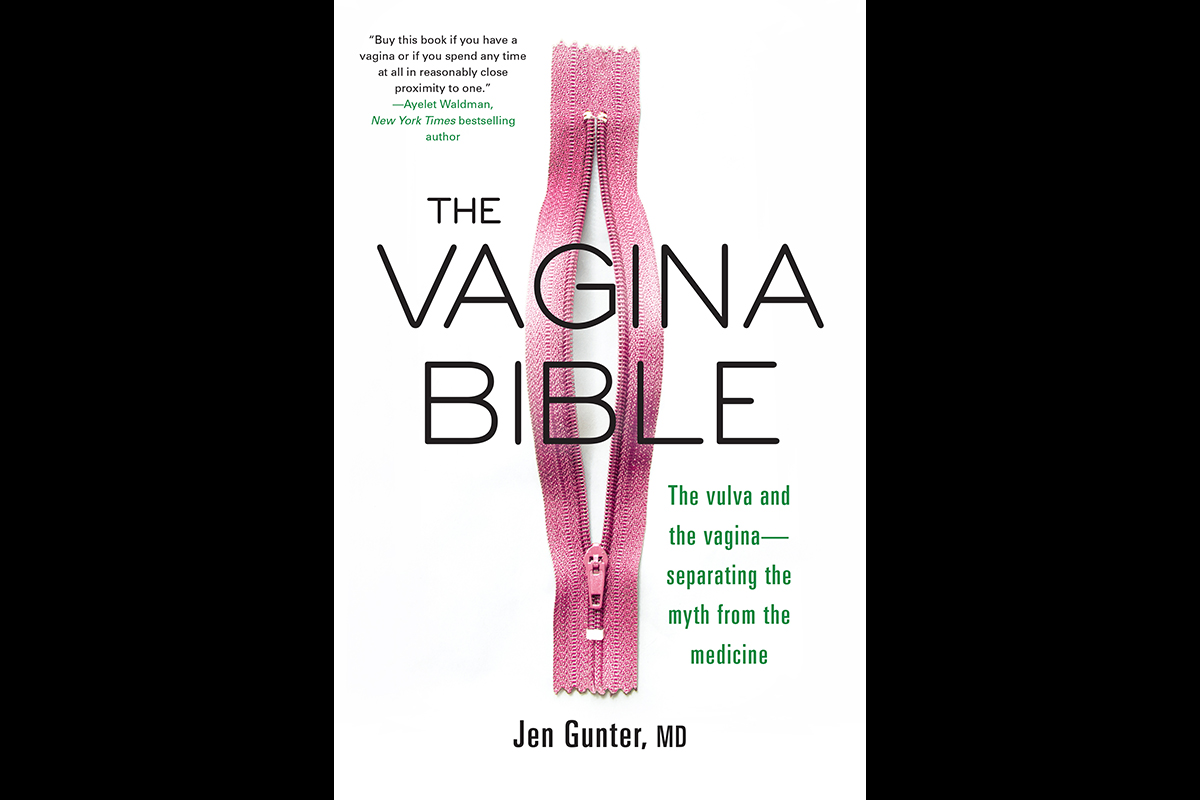
The Vagina Bible: The Vulva And The Vagina–Separating The Myth From The Medicine

See a recording of this event on our Facebook video page or YouTube channel.

Dr. Jen Gunter has a vagenda: for everyone to be empowered with accurate information about the vagina and vulva. We are well into the twenty-first century and have access to more information than ever before, yet many people don’t know that a vagina is self-cleaning, condoms should be used with a lubricant, eating sugar doesn’t cause a yeast infection, and sex shouldn’t be painful. 

At this very special Science on Tap we’ll be joined Canadian OB/GYN, women’s health advocate and New York Times columnist Dr. Jen Gunter to talk about her book The Vagina Bible. The book offers a repository of accurate information based on science, and delivered with wit and wisdom. This is the fact-based, inclusive, and empowering guide you deserve to advocate for your own body.

We encourage purchasing a copy of The Vagina Bible through small book sellers! Here are two suggestions:

Busboys and Poets
Book Passage

  • Event Date

    Thursday, July 30, 2020

  • Start Time

    7:00 pm Pacific

  • End Time

    8:00 pm Pacific

  • Tickets


    Join our Patreon or make a one-time donation to support our efforts!

    Support Us
  • Venue

    Online

  • Location

    This event will take place in a Zoom Webinar. Attendees will be able to participate in the chat and submit questions for the live online Q&A with the speaker.

    Attendees will not be visible or audible during the event.

    Register for Zoom event.

  • Available Food & Drink

    Grab an (adult) beverage of your choice and join us!
  • Find this event on

The Science of Emotions: What Are They Good For Anyway?

See a recording of this event on our Facebook video page or YouTube channel.

If you had the choice, would you rather live with the full array of emotions you have now – the good, the bad, and the ugly – or get rid of your emotions entirely? Western culture has long had a love-hate relationship with emotion. Why do we have emotions? Do they serve a purpose beyond (sometimes) making us do stupid, irrational things? How can we manage emotions in a healthy way, so they enrich our lives rather than controlling us?

Michelle “Lani” Shiota, Ph.D., is an Associate Professor of Psychology at Arizona State University, and an expert in affective science. Join us to hear about research on the important functions emotions serve in our lives, and how we can regulate emotions in healthy ways. 

  • Event Date

    Thursday, July 23, 2020

  • Start Time

    7:00 pm Pacific

  • End Time

    8:15 pm Pacific

  • Tickets


    Join our Patreon or make a one-time donation to support our efforts!

    Support Us
  • Venue

    Online

  • Location

    This event will take place in a Zoom Webinar. Attendees will be able to participate in the chat and submit questions for the live online Q&A with the speaker.

    Attendees will not be visible or audible during the event.

    Register for Zoom event.

  • Available Food & Drink

    Grab an (adult) beverage of your choice and join us!
  • Find this event on

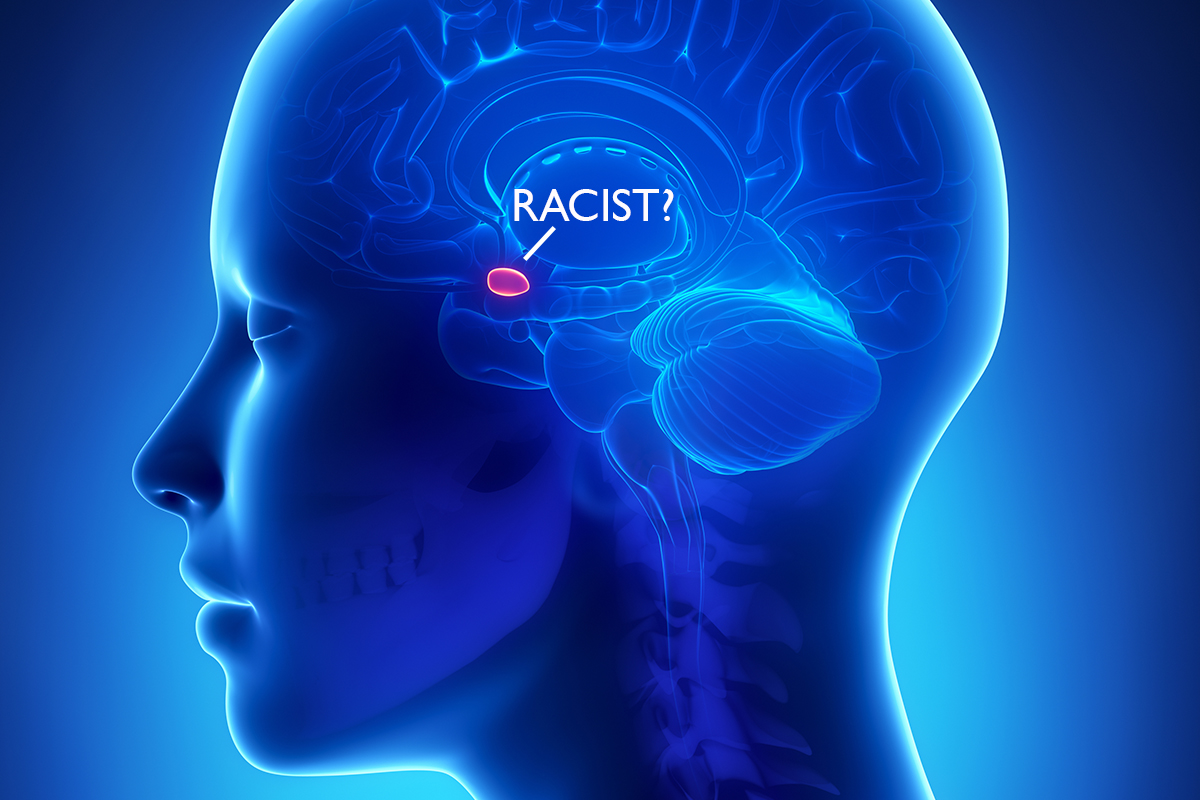
From Implicit Bias to Prejudice: The Neuroscience of Racism

See a recording of this event on our Facebook video page or YouTube channel.

Racism is a system in which people are treated a particular way based on their race. Racism exists because of racial prejudice, where we make judgements about people based entirely on their race and our own unconscious bias, and not on actual experience. Our brains react to people who are different from us within milliseconds. At this Science on Tap, Dr. Larry Sherman, a Professor of Neuroscience, will explore how our brains engage in prejudice, the consequences of prejudice and racism for both racists and people who experience racism in their daily lives, and how understanding these processes suggest ways that we can overcome prejudice and racism in our society.

This is an updated version of similar talks given by Dr. Sherman at Science on Tap events in 2019, 2018, and 2016. It is our hope that by continuing to have these conversations about racism that we can help people understand their own implicit bias from a neuroscience perspective and offer ideas for how to combat racism within ourselves and in our society.

Larry Sherman is a Professor in the Department of Cell, Developmental and Cancer Biology and in the Neuroscience Graduate Program at the Oregon Health & Science University. He is also the President of the Oregon and Southwest Washington Chapter of the Society for Neuroscience. He has over 90 publications related to brain development and neurological diseases. He serves on numerous US and international scientific review panels and he has made numerous television appearances, discussing various topics related to neuroscience. He has also given hugely popular talks and performances (including playing the piano) around the globe on topics that include music and the brain, the neuroscience of pleasure and love, and the neuroscience of racism. The Oregon Museum of Science and Industry and Portland Monthly Magazine recognized Dr. Sherman as one of the “People who are changing our world”. He was also the 2012 Teacher of the Year at the Oregon Health & Science University School of Medicine.

  • Event Date

    Thursday, July 16, 2020

  • Start Time

    7:00 pm Pacific

  • End Time

    8:15 pm Pacific

  • Tickets


    Join our Patreon or make a one-time donation to support our efforts!

    Support Us
  • Venue

    Online

  • Location

    This event will take place in a Zoom Webinar. Attendees will be able to participate in the chat and submit questions for the live online Q&A with the speaker.

    Attendees will not be visible or audible during the event.

    Register for Zoom event.

  • Available Food & Drink

    Grab an (adult) beverage of your choice and join us!
  • Find this event on

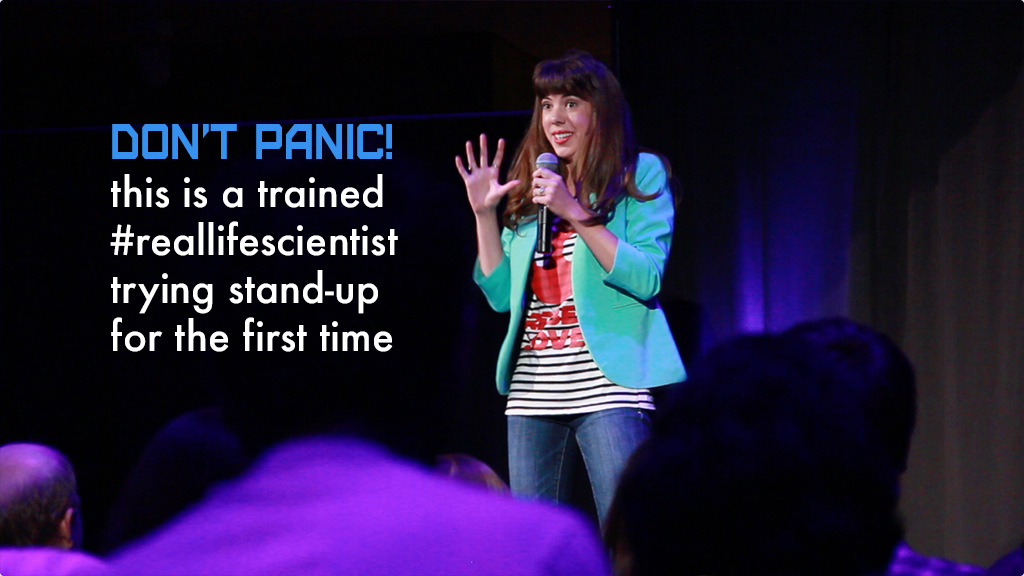
Livestreaming Science Comedy – Real Experts, Real Funny!

CLICK HERE FOR TICKETS! Please make a donation (minimum $1.00).

After surviving a crash-course in comedy, a cohort of local scientists* will perform their late-night comedy talks live for a celebrity guest, and broadcast to all of you at home. It will be a brainy evening of laughter, learning, and libations from the comfort of your pandemic pajamas. This cohort combines recent participants from Portland, Oregon and Colorado Springs, Colorado!

We’ve adapted our popular live showcase events for online audiences. In the style of the best of late-night television, our participants will be calling in from home, potentially their bathrooms, and almost certainly won’t be wearing pants. This event is intended for adult audiences only.

Join our livestreaming event and see the results of Science Riot’s unique science communication training! You can recieve a ticket for a donation of any amount, with all proceeds going towards our outreach training and programming that now takes place with our museums and partners still under lockdown. Science needs a voice now more than ever, and what better way than through humor?

Joining us will be our celebrity guest for the evening. She is an international working comedian and credits include Comedy Central Asia and winner of the Liz Carpenter Political Humor Award (previously awarded to Samantha Bee, Wanda Sykes). She also hosted a nerdy game show on PBS which won an Emmy! – Dhaya Lakshminarayanan.

We have an incredible line up of real-life scientists and board-certified doctors who will all attempt to be both interesting and funny on purpose!

A link to our private Youtube Live Event will be sent out with a final reminder on the day. To ensure you receive the correct link, please don’t use a spam email account (you will also need a YouTube Account). There you can join the live chat with our hyperventilating scientists leading up to 7PT/8MT premier. This event will only be streamed live, so don’t miss it!

*The Portland scientists were supposed to perform at two Science Riot shows in March, but those had to be canceled. Join us on July 11 to support our local Portland crew! (And hey, the scientists from Colorado Springs will be awesome too!)


This event is sponsored by:

  • Event Date

    Saturday, July 11, 2020

  • Start Time

    7:00 pm Pacific

  • End Time

    8:00 pm Pacific

  • Tickets

    get tickets
  • Venue

    Online

  • Location

    This event will take place in a Zoom Webinar. Attendees will be able to participate in the chat and submit questions for the live online Q&A with the speaker.

    Attendees will not be visible or audible during the event.

    Register for Zoom event.

  • Available Food & Drink

    Grab an (adult) beverage of your choice and join us!
  • Find this event on

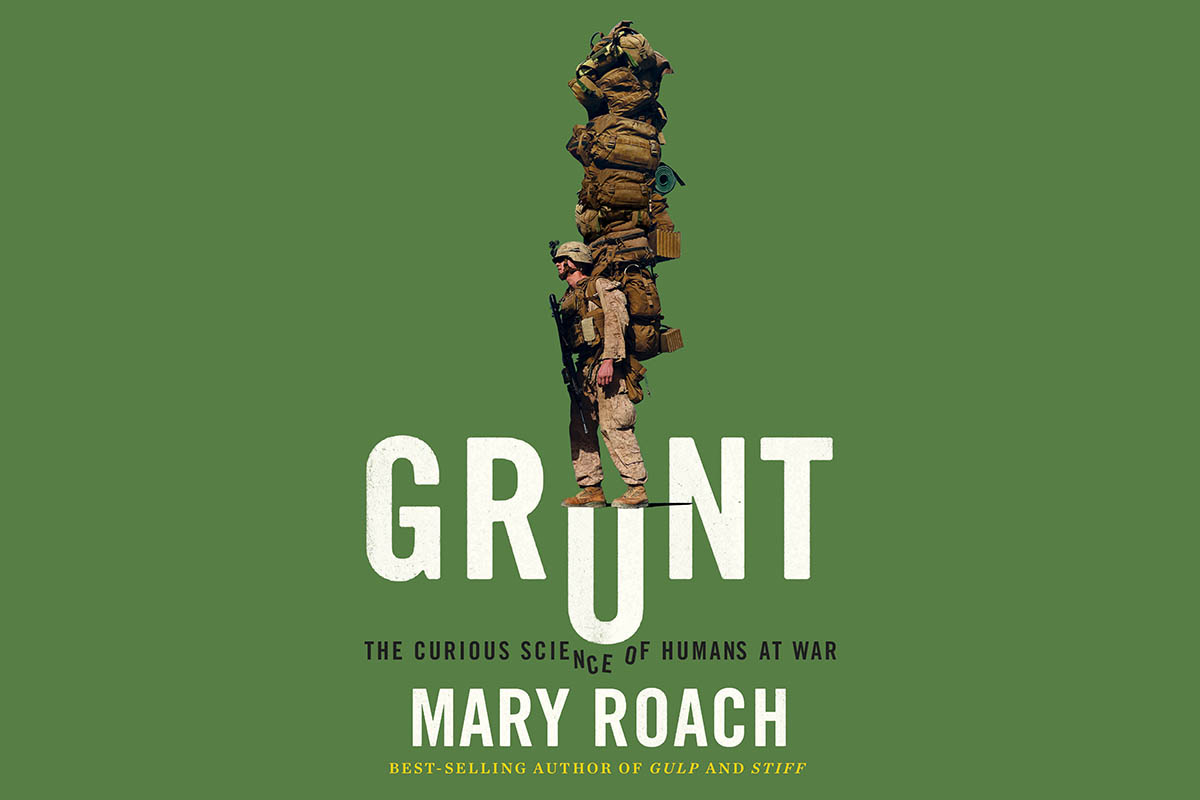
Grunt: The Curious Science of Humans at War, with author Mary Roach!

Much of military science is necessarily preoccupied with the study of violence, the development of strategy, of weapons and armaments, of warfare. But not all the battles of war involve drone technology and Bradley Personnel Vehicle. On a daily basis, soldiers also fight more esoteric battles against less considered adversaries—for example, exhaustion, shock, panic, disease, extreme heat, cataclysmic noise, gastrointestinal distress, and assorted waterfowl.

In Grunt: The Curious Science of Humans at War, America’s favorite science writer, Mary Roach—the author of Stiff, Spook, Bonk, Packing for Mars, and Gulp—explores those aspects of war that no one makes movies about—not the killing but the keeping alive. Grunt salutes the scientists and surgeons running along in the wake of combat, lab coats flapping. With her characteristic sense of humor, her indefatigable enthusiasm, and her sharp eye for telling detail, Roach, as always, proves to be the ideal tour guide, whether observing two maggots devour a third on the tip of her index finger, courtesy of George Peck, resident filth fly expert at the Entomology Branch of the Walter Reed Army Institute of Research; sniffing Stench Soup, a superlative malodorant (i.e., stink bomb) described as “Satan on a throne of rotting onions,” designed to efficiently clear buildings or disperse violent mobs; or attending medic training with the $57,000 Strategic Operations Cut Suit, a “human-worn” patient simulator with skin that actually “bleeds” when pierced. At this Science on Tap, Roach will talk about her book and will introduce us to a range of quirky but essential scientific endeavors.

  • Event Date

    Thursday, June 22, 2017

  • Start Time

    7:00 pm Pacific

  • Tickets

  • Available Food & Drink

    Hand pies & pizza rolls, snacks, sweets, with a a full bar and a great selection non-alcoholic drinks, coffee and tea.
  • Accessibility Information

    Vaccine cards required at Science on Tap events. Masks are highly recommended, but not required. Visit the Alberta Rose COVID safety policies page for more information.

    There are no stairs to enter the theater. There is ramp down to seating area and wheelchair space in the front.

Evolution Under the Influence: Alcohol and the Coevolution of Humans and Yeast

Have you ever sat down at a bar, ordered a beer, and thought to yourself, “Why do humans even have specific genes for breaking down alcohol?” This is what happens when a guy with a PhD in Molecular and Medical Genetics from OHSU gets a job working at a brewery. The answer, as it turns out, takes you a long way back in human history; our relationship with yeast (the organism that makes alcohol), predates human evolution. At this Science on Tap, Dr. Kevin McCabe, Lab Supervisor at Full Sail Brewing, will take you through the history of primate alcohol consumption, the importance of yeast to human history, and how early microbiology turned the tables on yeast and gave humans control over our boozy destiny.

  • Event Date

    Thursday, July 6, 2017

  • Start Time

    7:00 pm Pacific

  • Tickets

  • Venue

    Portland

Microbes and the Human Gut

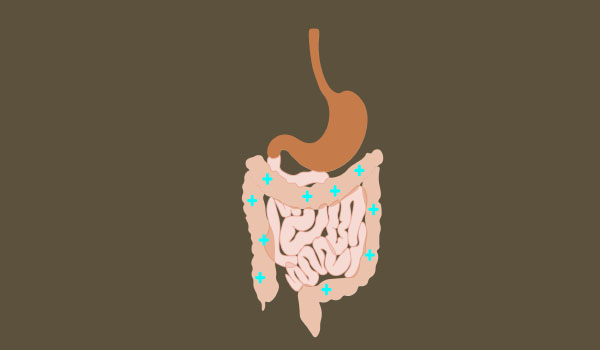
The human body has trillions of cells, but only about 1/10th of those cells are actually human. The rest are microbes that live in and on our bodies, and collectively they’re called the “human microbiome,” and we couldn’t survive without them. They make vitamins for us, help us digest food, and battle disease-causing microbes, and they may influence our behavior, particularly in what and how much we eat. However, disturbances to the gut microbiome, perhaps through antibiotic overuse, have been associated with obesity, asthma, and autism. Understanding how a body’s microbiome is unbalanced or not functioning optimally may help lead to new and unusual treatments such as use of probiotics, prebiotics, and fecal transplants. (Really.)

At this Science on Tap, Dr. Lisa Sardinia, associate professor of biology at Pacific University, will explain what the microbiome is, how it can get out of balance, and how we may be able to restore health by deliberately changing the kinds or numbers of microbes that share our bodies.

  • Event Date

    Monday, July 17, 2017

  • Start Time

    7:00 pm Pacific

  • Tickets

  • Venue

    Portland

The Neuroscience of Pain: The Good, the Very Bad, and the Ugly

Pain is the most important and misunderstood sensory system: you cannot live without it, yet we live every day trying to avoid it. Dr. Morgan cannot cure your pain (he’s not that kind of doctor), but he will explain how your nervous system codes pain, how your brain tries to control it, and how drugs provide relief. And don’t worry… he plans for this talk to be entertaining and pain-free.

Dr. Michael Morgan is a Professor of Psychology at Washington State University Vancouver, and has studied the neural mechanisms of pain modulation for over thirty years. He earned a doctorate in Physiological Psychology from UCLA and conducted post-doctoral research in Neurology at UC San Francisco before joining the faculty at WSU Vancouver, where he has won teaching and research awards.

  • Event Date

    Tuesday, September 5, 2017

  • Start Time

    7:00 pm Pacific

  • Tickets

  • Venue

    Portland

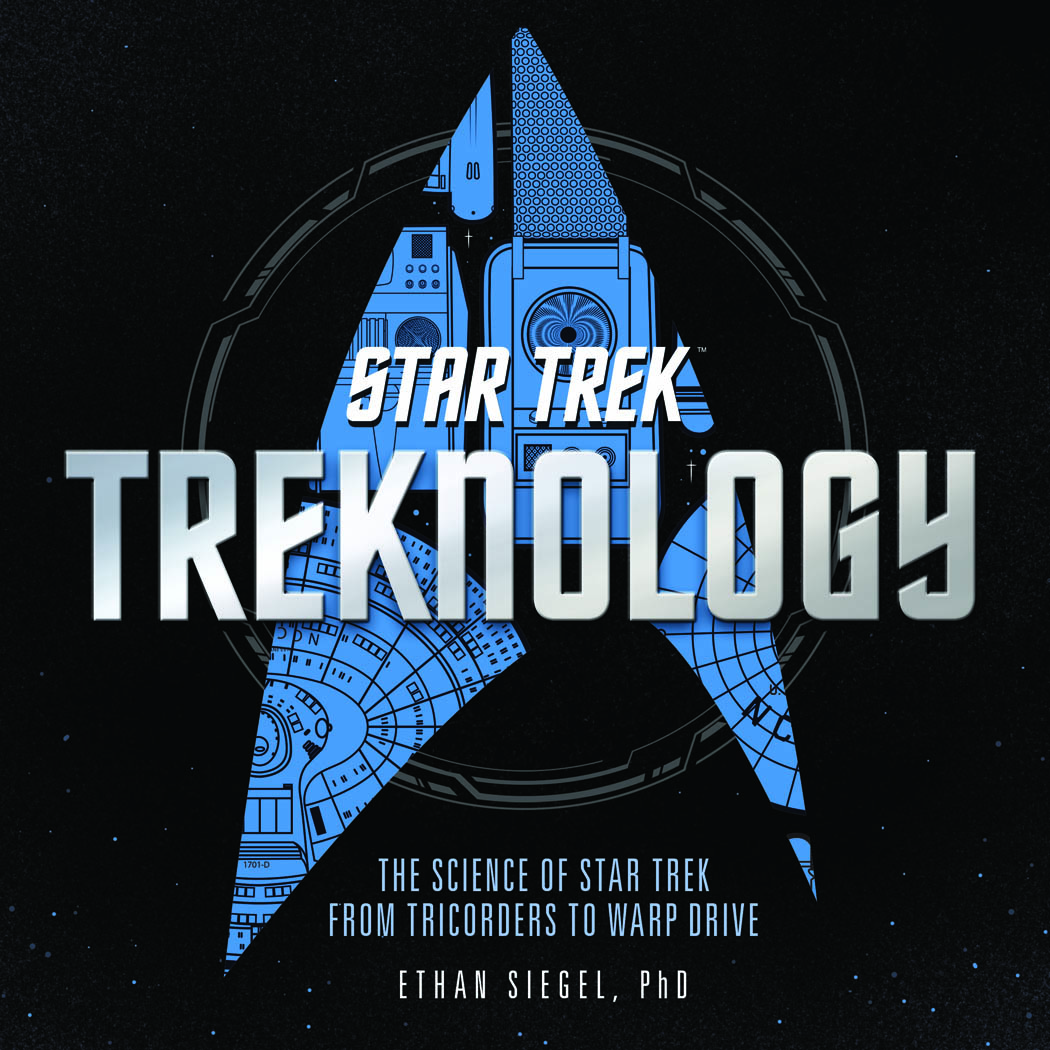
Treknology: The Real-Life Science Behind Star Trek’s Technologies

From tricorders to warp drive, Star Trek became the first series to bring us a vision of a future where humans were just as flawed as ever, but where technology and the way we used it had created a utopian society. There was no hunger, no homelessness, no rampant diseases, only long-lived humans exploring the galaxy, enjoying all the comforts one could ask for in life. Many of these technologies, dreamed up by Star Trek, are already real, while others are quickly approaching, and a few still remain elusive. From communications to starships to medical breakthroughs to civilian life, Star Trek promised us a future we can all aspire to. At this Science on Tap, hear theoretical physicist and author Ethan Siegel, PhD, talk about his new book Treknology: The Real-Life Science Behind Star Trek’s Technologies. As we attempt to “make it so,” let’s take a look at the real-life science of how far we’ve come!

Ethan Siegel was born in New York, majored in three different things as an undergrad, and got his Ph.D. in theoretical physics. Yes, you indecisive young people, there is hope. After postdoctoral research focusing on dark matter and cosmic structure formation, he became a physics professor and a professional science communicator. The communication was more fun, so now he writes and speaks full-time, including for Forbes, and NASA. His blog, Starts With A Bang, was voted the #1 science blog on the internet by the Institute of Physics, and, separately, by Real Clear Science. His first book, Beyond The Galaxy, is available today, and his second, Treknology, about the real-life science behind the technologies envisioned by Star Trek, was released in October 2017.

  • Event Date

    Tuesday, December 5, 2017

  • Start Time

    7:00 pm Pacific

  • Tickets

  • Available Food & Drink

    Hand pies & pizza rolls, snacks, sweets, with a a full bar and a great selection non-alcoholic drinks, coffee and tea.
  • Accessibility Information

    Vaccine cards required at Science on Tap events. Masks are highly recommended, but not required. Visit the Alberta Rose COVID safety policies page for more information.

    There are no stairs to enter the theater. There is ramp down to seating area and wheelchair space in the front.

The Neuroscience of Pleasure and Love

Is the brain chemistry behind our love for chocolate equivalent to that which drives infatuation with a new lover, the love of a particular song, or addiction? How does the brain sort out pleasure and discomfort? What drives our decisions to stay with one person for life or go from one lover to another, never settling down?

At this special Valentine’s Day event, Dr. Larry Sherman, neuroscientist at OHSU, will focus on these and other questions that reveal much about how neurochemical changes can have major effects on our behaviors—how we love, what we love, and who we love.


This event is sponsored by:

  • Event Date

    Wednesday, February 14, 2018

  • Start Time

    7:00 pm Pacific

  • Tickets

  • Available Food & Drink

    Beer, wine, popcorn, pizza slices, and snacks available.
  • Accessibility Information

    Vaccine cards required at Science on Tap events. Masks are highly recommended, but not required.

The Nature Fix: Why Nature Makes Us Happier, Healthier, and More Creative

In an era when humans spend much of their time indoors staring at the dim glow of a screen, many of us have forgotten the simple pleasure of a stroll through a wooded glen, a hike up a secluded mountain path, or a nap in the grass. Many of us have lost this connection and essentially forgotten about nature’s potential for reinvigoration, self-reinvention, and basic well-being. What if something serious is missing from our lives? What if an occasional trip to the neighborhood park isn’t enough? What if we’ve turned our backs on something that isn’t merely pleasant and enjoyable, but is in fact vital to our happiness, our capacity to learn, and even our survival? And if the latest science shows that nature is necessary, how do we recapture it? At this Science on Tap, journalist and science writer Florence Williams will take us on an intriguing and provocative investigation into our most basic and primal needs with a discussion of her new book, The Nature Fix. In it, she visits parks in Helsinki and forests in Korea, and she studies the brainwaves of urban pedestrians in Edinburgh and examines the healing effects of river-rafting in the American West on veterans afflicted with PTSD. Nature, she finds, is a surprising, key ingredient to civilization.

Williams is a journalist and contributing editor to Outside magazine. Her work has appeared in the New York Times, the New York Times Magazine, and National Geographic among others. Her first book, Breasts: A Natural and Unnatural History, was a New York Times Notable Book of 2012 and the winner of the Los Angeles Times Book Prize in Science and Technology.

  • Event Date

    Monday, March 19, 2018

  • Start Time

    7:00 pm Pacific

  • Tickets

  • Available Food & Drink

    Hand pies & pizza rolls, snacks, sweets, with a a full bar and a great selection non-alcoholic drinks, coffee and tea.
  • Accessibility Information

    Vaccine cards required at Science on Tap events. Masks are highly recommended, but not required. Visit the Alberta Rose COVID safety policies page for more information.

    There are no stairs to enter the theater. There is ramp down to seating area and wheelchair space in the front.

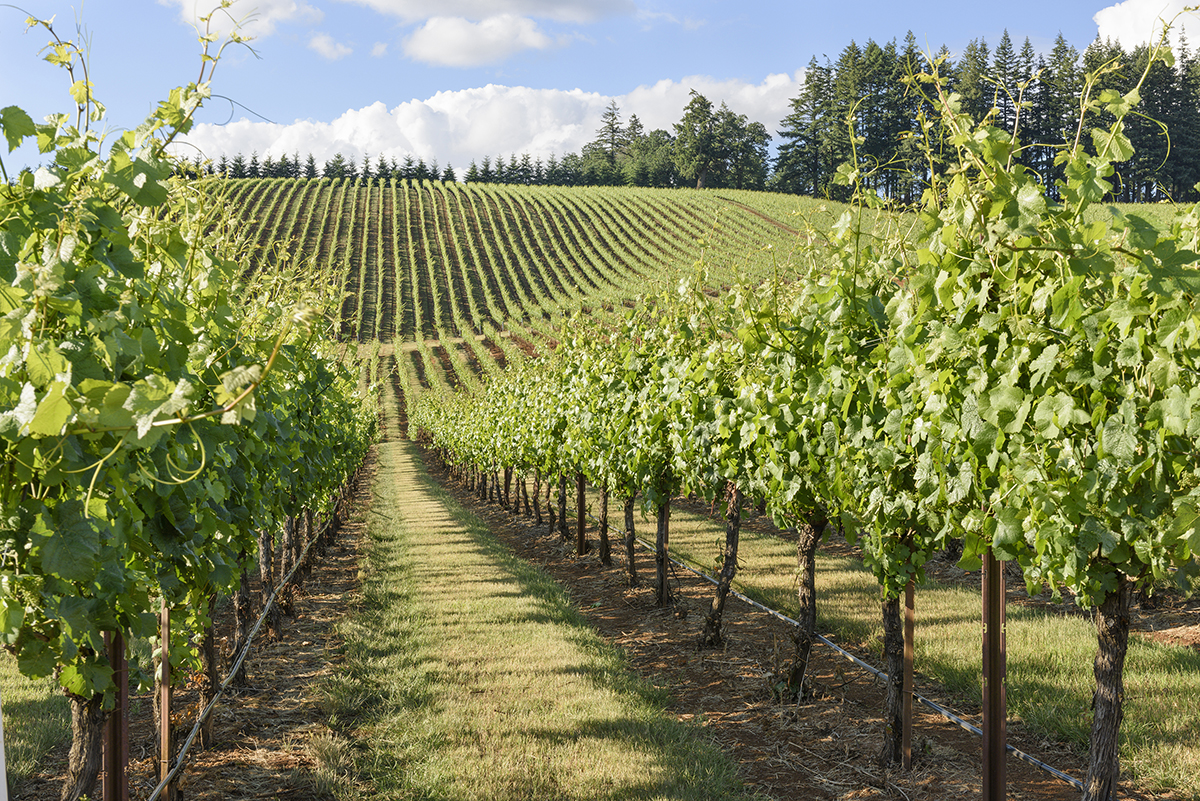
The Mystique of Terroir: Geology and Wine

ter·roir/tɛrˈwɑr;
noun
Definition: the environmental conditions, especially soil and climate, in which grapes are grown and that give a wine its unique flavor and aroma.

The Willamette Valley has a certain je ne sais quoi, no? What special quality of the region’s terroir yields such exceptional wines? How do the soil, climate, and conditions lend themselves to lovely Pinot Noirs, but not Cabernets or Merlots? How does the region’s geologic past affect where and how to grow grapes? How do Washington and Oregon compare to other wine-growing regions in the United States and other countries around the world? Join us as Dr. Scott Burns, professor of geology and past chair of the Department of Geology at PSU, and wine enthusiast, tells us about all this and more about what makes a vineyard successful.

  • Event Date

    Wednesday, April 11, 2018

  • Start Time

    7:00 pm Pacific

  • Tickets

  • Available Food & Drink

    Beer, wine, popcorn, pizza slices, and snacks available.
  • Accessibility Information

    Vaccine cards required at Science on Tap events. Masks are highly recommended, but not required.

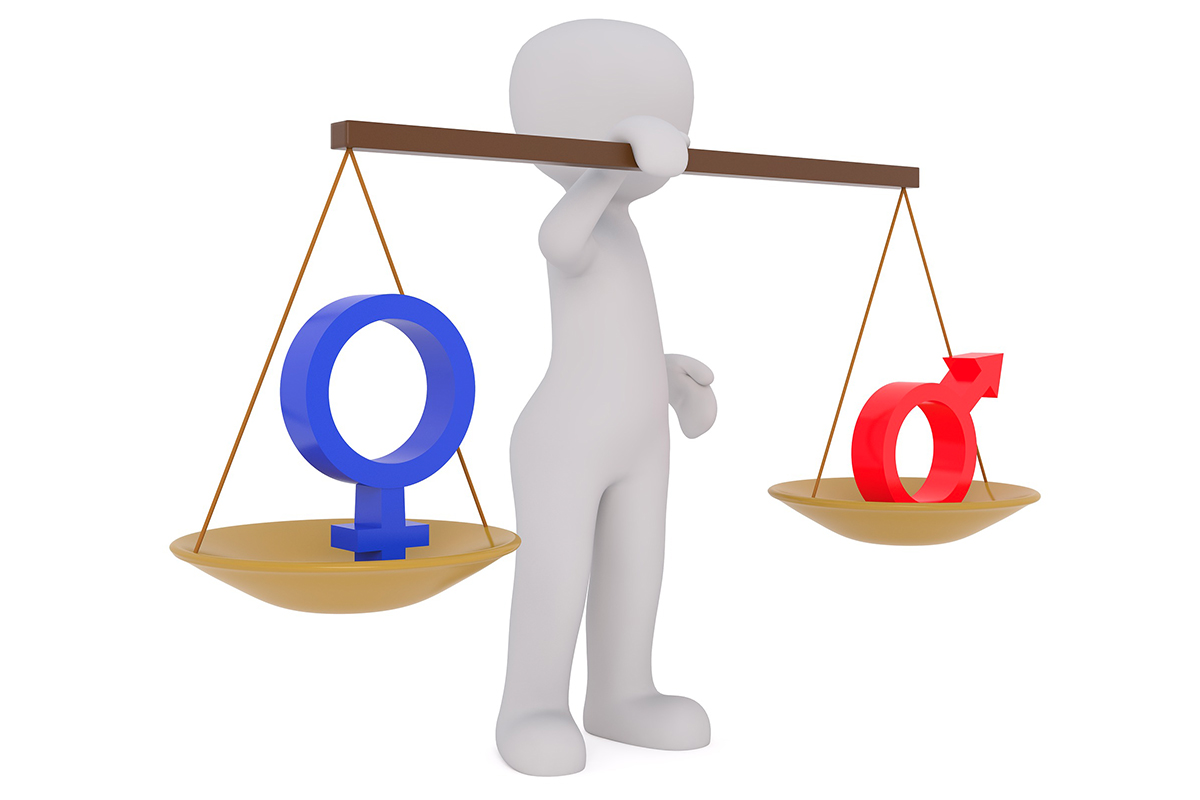
Gender, Sex, and Biology

At least 16 states have recently introduced legislation to restrict access to multiuser restrooms and locker rooms on the basis of sex. Many of these bills use terms like “biological sex,” “genetic sex,” and “sex as determined by anatomy and genetics existing at the time of birth.” Some of these bills also use the phrase “sex or gender,” implying that those terms are synonymous. But are biological sex and gender the same thing? Do anatomy and genetics completely determine sex and/or gender? How do biologists describe sex determination in humans and other animals? Is gender a biological term at all?

At this Science on Tap, Lisa Sardinia, PhD, JD, associate professor of biology at Pacific University will approach the biological basis of sexual reproduction from a scientific perspective. She will describe the mechanisms of sex determination in humans, how those processes relate to the terms “sex” and “gender,” and how things are not quite as simple as they might seem.


This event is sponsored by:

  • Event Date

    Wednesday, June 13, 2018

  • Start Time

    7:00 pm Pacific

  • Tickets

  • Available Food & Drink

    Beer, wine, popcorn, pizza slices, and snacks available.
  • Accessibility Information

    Vaccine cards required at Science on Tap events. Masks are highly recommended, but not required.

Yes, I’m Really A Doctor: How Equity Eludes Women in Medicine and Science

What kind of person comes to mind when you hear the word “doctor?” If you’re given a choice in a medical emergency, would you trust the female physician as much as the male?

Studies show that many people — from patients and their families to administrators and other medical staff — show an implicit bias against female physicians and scientists, often judging them as less experienced or trustworthy. Esther Choo, MD MPH, Associate Professor of Emergency Medicine at OHSU and Founder of Equity Quotient is a nationally recognized expert in gender bias in medicine. At this Science on Tap, Dr. Choo will discuss some of the underlying reasons behind the inequities, limitations to solutions proposed to date, and next steps to creating and sustaining diverse and productive healthcare teams.

  • Event Date

    Tuesday, July 17, 2018

  • Tickets

  • Available Food & Drink

    Hand pies & pizza rolls, snacks, sweets, with a a full bar and a great selection non-alcoholic drinks, coffee and tea.
  • Accessibility Information

    Vaccine cards required at Science on Tap events. Masks are highly recommended, but not required. Visit the Alberta Rose COVID safety policies page for more information.

    There are no stairs to enter the theater. There is ramp down to seating area and wheelchair space in the front.

Aroused: The History of Hormones and How They Control Just About Everything

Metabolism, behavior, sleep, mood swings, the immune system, fighting, fleeing, puberty, and sex: these are just a few of the things our bodies control with hormones. Armed with a healthy dose of wit and curiosity, Dr. Randi Hutter Epsteintakes us on a journey through the unusual history of these potent chemicals and their discovery, from the London laboratory where the concept of hormones was identified to a basement filled with jarred brains to a canine sex lab. We meet leading scientists who made life-changing discoveries about the hormone imbalances that ail us, as well as charlatans who used those discoveries to peddle false remedies. Along the way, Epstein examines the functions of hormones such as leptin, oxytocin, estrogen, and testosterone, demystifying the science of endocrinology.

A fascinating exploration of the history and science of one of medicine’s most important discoveries, Aroused: The History of Hormones and How They Control Just About Everything reveals how hormones can both push us to the edge and reel us back. Randi Hutter Epstein, M.D., M.P.H., the author of Get Me Out is an adjunct professor at Columbia University and a lecturer at Yale University. Her writing has appeared in the New York Times and the Psychology Today blog, among other publications.

  • Event Date

    Tuesday, July 31, 2018

  • Start Time

    7:00 pm Pacific

  • Tickets

  • Available Food & Drink

    Hand pies & pizza rolls, snacks, sweets, with a a full bar and a great selection non-alcoholic drinks, coffee and tea.
  • Accessibility Information

    Vaccine cards required at Science on Tap events. Masks are highly recommended, but not required. Visit the Alberta Rose COVID safety policies page for more information.

    There are no stairs to enter the theater. There is ramp down to seating area and wheelchair space in the front.

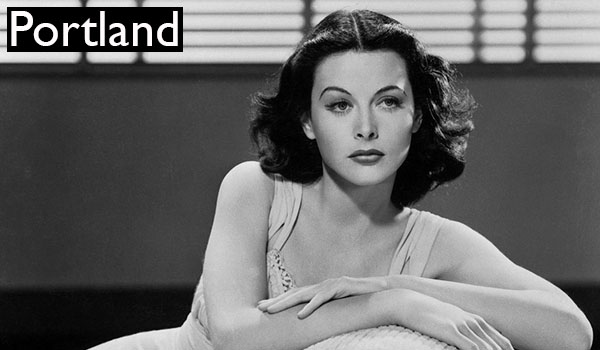
Inventive Connections: Movie Stars, Math, & Marine Mammals

Movie stars are adored by the public, but often just for their looks and talents on the silver screen. Actress Hedy Lamarr was once known as “the most beautiful woman in the world,” but was also an inventor. She and a colleague designed radio-skipping technology to help the US Navy guide torpedoes more effectively during WWII, but her invention was ignored for decades until it was revisited and used as part of the foundation for wifi, GPS, and cellphones. She and many other women have contributed to the fields of science, technology, engineering, and mathematics, but have been dismissed or deliberately forgotten by virtue of their gender. The contributions of these women play an integral role in our everyday lives and in that of scientists around the world, but their work is often forgotten.

At this Science on Tap, Leslie New, PhD, assistant professor of statistics at WSU Vancouver, will celebrate the unique life and mathematical accomplishments of Ms. Lamarr. In a satisfying twist, Dr. New will also describe how Ms. Lamarr’s work on wireless technologies, originally intended for the Navy, currently helps her study and protect marine mammals such as whales and dolphins.

  • Event Date

    Tuesday, August 21, 2018

  • Start Time

    7:00 pm Pacific

  • Tickets

  • Available Food & Drink

    Hand pies & pizza rolls, snacks, sweets, with a a full bar and a great selection non-alcoholic drinks, coffee and tea.
  • Accessibility Information

    Vaccine cards required at Science on Tap events. Masks are highly recommended, but not required. Visit the Alberta Rose COVID safety policies page for more information.

    There are no stairs to enter the theater. There is ramp down to seating area and wheelchair space in the front.

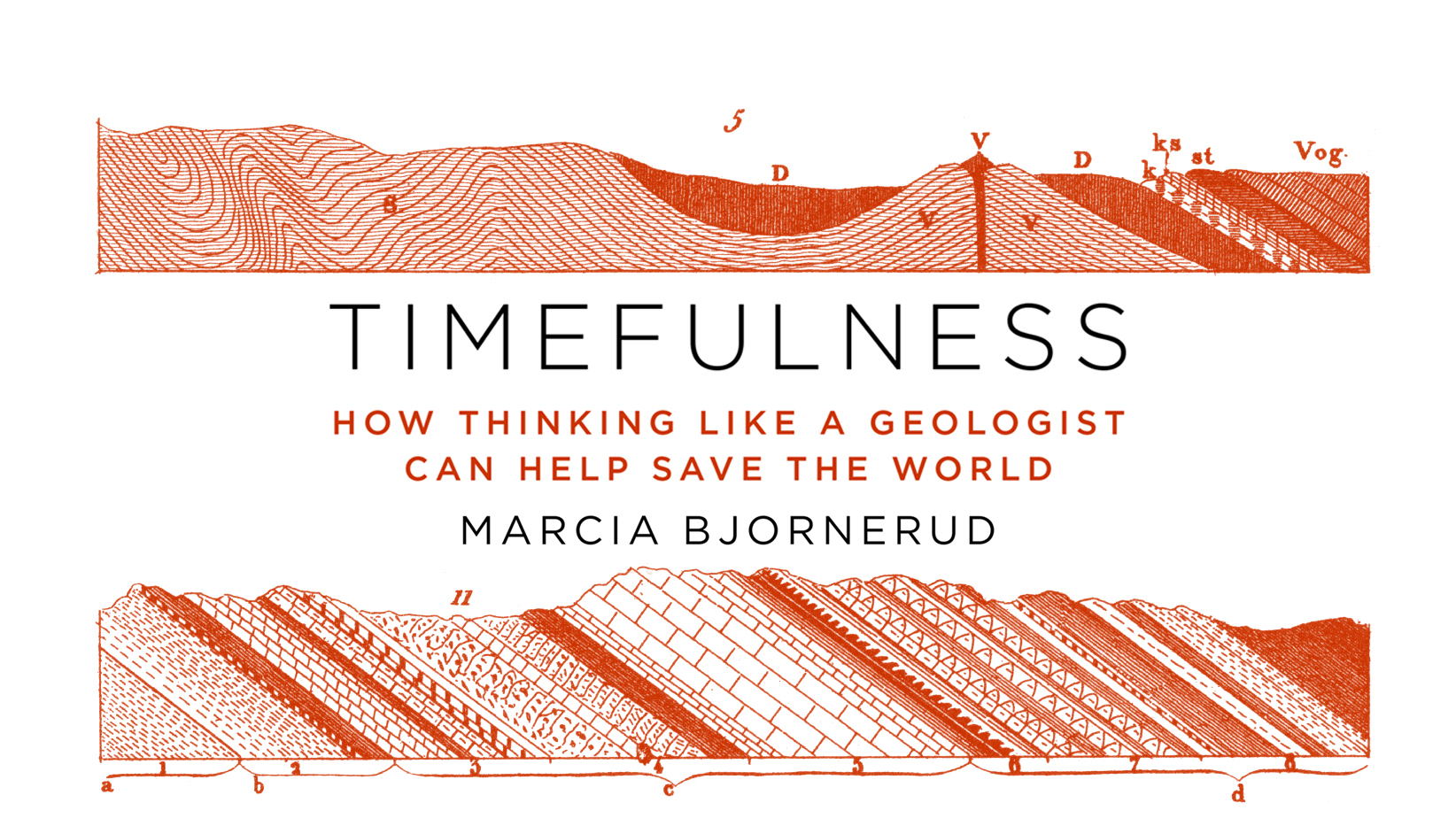
Timefulness: How Thinking Like a Geologist Can Help Save the World

Few of us have any conception of the enormous timescales in our planet’s long history, and this narrow perspective underlies many of the environmental problems we are creating for ourselves. The passage of nine days, which is how long a drop of water typically stays in Earth’s atmosphere, is something we can easily grasp. But spans of hundreds of years—the time a molecule of carbon dioxide resides in the atmosphere—approach the limits of our comprehension. Our everyday lives are shaped by processes that vastly predate us, and our habits will in turn have consequences that will outlast us by generations.

At this Science on Tap, Marcia Bjornerud, PhD, will talk about her new book Timefulness and will present a new way of thinking about our place in time that will enable us to make decisions on multigenerational timescales. Knowing the rhythms of Earth’s deep past and conceiving of time as a geologist does can give us the perspective we need for a more sustainable future.

Dr. Bjornerud is a professor of geology and environmental studies at Lawrence University, the author of Reading the Rocks: The Autobiography of the Earth, and a contributing writer for Elements, the New Yorker’s science and technology blog.

  • Event Date

    Tuesday, September 18, 2018

  • Start Time

    7:00 pm Pacific

  • Tickets

  • Available Food & Drink

    Hand pies & pizza rolls, snacks, sweets, with a a full bar and a great selection non-alcoholic drinks, coffee and tea.
  • Accessibility Information

    Vaccine cards required at Science on Tap events. Masks are highly recommended, but not required. Visit the Alberta Rose COVID safety policies page for more information.

    There are no stairs to enter the theater. There is ramp down to seating area and wheelchair space in the front.

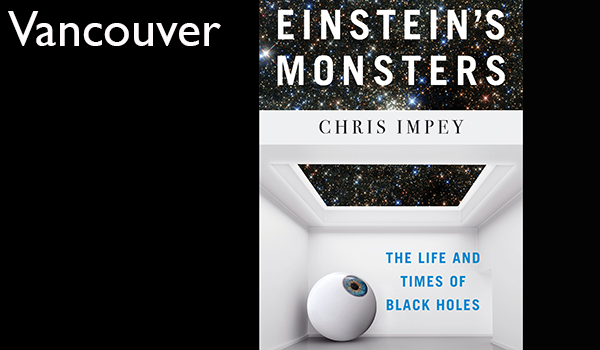
Einstein’s Monsters: The Life and Times of Black Holes

We think we know black holes. They’ve become a fixture of our pop cultural conception of outer space, from Star Trek to Interstellar. But the reality of black holes is just as wonderful and strange as anything a science fiction writer could dream up. Black holes are the most extreme objects in the universe, yet every galaxy harbors a black hole at its center. This profound discovery to inspires questions at the cutting edge of cosmology, such as: Which came first, the galaxy or its central black hole? What happens if you travel into a black hole?

At this Science on Tap, Dr. Chris Impey will talk about his new book Einstein’s Monsters, which presents the astonishing science of black holes and their role in understanding the history and future of our universe. Come hear an epic story of black holes, from their explosive births as dying stars to their slow deaths by evaporation, and a very human story of our drive to understand the universe, our place in it, and how it all began.

Chris Impey, PhD, is a distinguished professor in the Department of Astronomy at the University of Arizona and the critically acclaimed author of BeyondHow It Began, and How It Ends, as well as two astronomy textbooks.


This event is sponsored by:

  • Event Date

    Wednesday, November 14, 2018

  • Start Time

    7:00 pm Pacific

  • Tickets

  • Available Food & Drink

    Beer, wine, popcorn, pizza slices, and snacks available.
  • Accessibility Information

    Vaccine cards required at Science on Tap events. Masks are highly recommended, but not required.

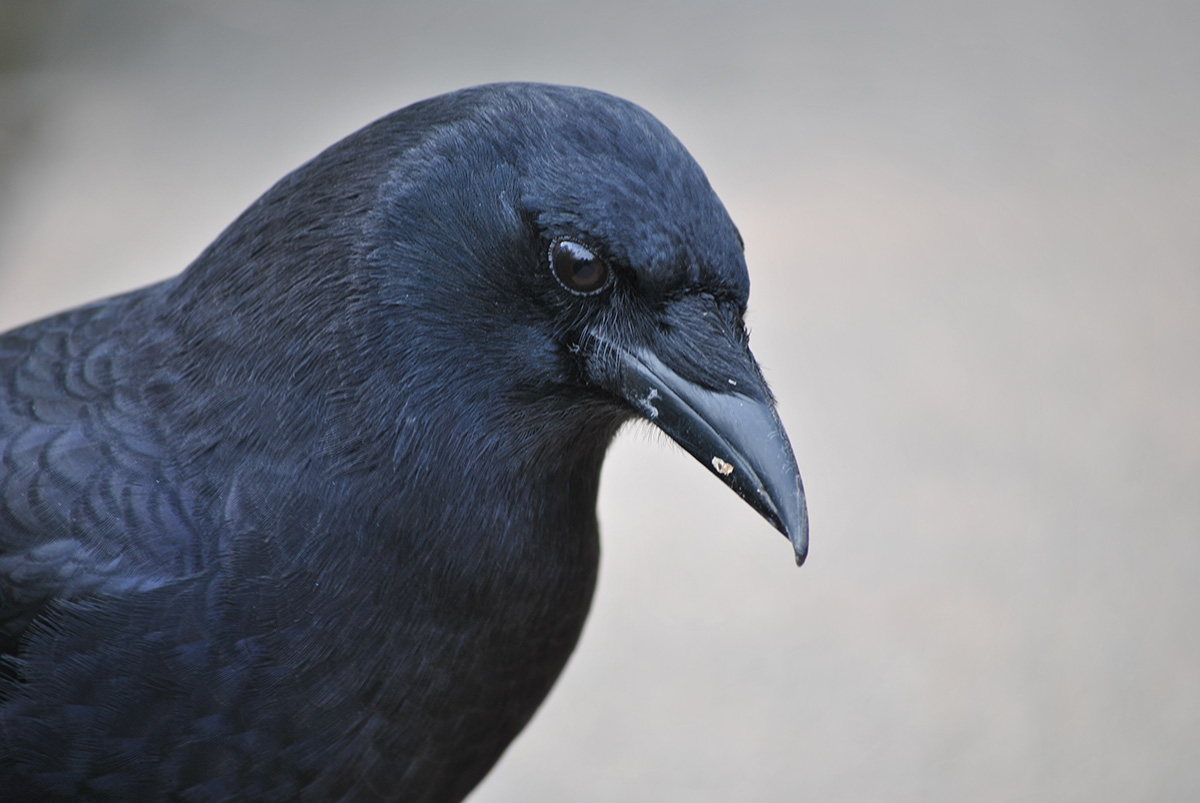
As the Crow Flies: Corvid Behavior, Play, and Funerals

Crows are everywhere: they are found on nearly every continent and thrive in human dominated environments. They have influenced art and literature throughout history, and whether they inspire love or hate, they have certainly impacted the hearts and minds of the humans who share their space.

Because crows are so common, it may be easy to overlook the fact that they are very intelligent and have complex behaviors and social structures, including play, tool use, communal roosting, and being able to recognize specific humans. Kaeli Swift, PhD, studies crows and other corvids (ravens, jays, and magpies), and will introduce and explain to us the world of these fascinating birds, including, of course, crow funerals.

You can find Dr. Swift on Twitter and Instagram @corvidresearch where she talks about crows, corvids, and other wildlife and plays a weekly game called #CrowOrNo to help people learn how to correctly ID and distinguish different kinds of corvids.


This event is sponsored by:

  • Event Date

    Wednesday, January 9, 2019

  • Start Time

    7:00 pm Pacific

  • Tickets

  • Available Food & Drink

    Beer, wine, popcorn, pizza slices, and snacks available.
  • Accessibility Information

    Vaccine cards required at Science on Tap events. Masks are highly recommended, but not required.

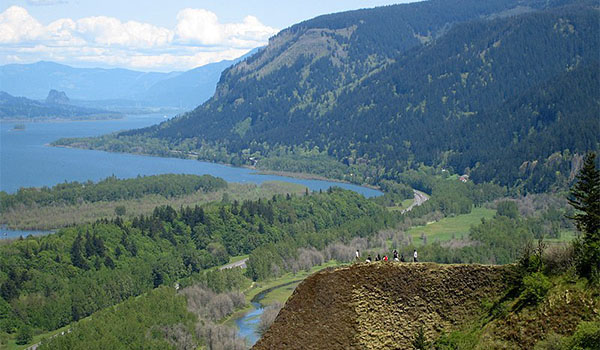
Cataclysms on the Columbia: The Great Missoula Floods

One of the greatest sets of geological events to ever have occurred in North America was the Missoula Floods. Occurring as many as 40 times during the last ice age, the floods were caused by waters released from ancient Lake Missoula that scoured the Columbia River basin, carved out the Columbia River Gorge, and swept across at least 16,000 square miles of the Pacific Northwest.

At this Science on Tap, Dr. Scott Burns, professor of geology and past chair of the Department of Geology at PSU, will focus on the incredible story of discovery and development of the idea of the floods by J Harlen Bretz and will discuss the effect of the floods on the landscape of the Willamette Valley and the area around us.

  • Event Date

    Tuesday, January 22, 2019

  • Start Time

    7:00 pm Pacific

  • Tickets

  • Available Food & Drink

    Hand pies & pizza rolls, snacks, sweets, with a a full bar and a great selection non-alcoholic drinks, coffee and tea.
  • Accessibility Information

    Vaccine cards required at Science on Tap events. Masks are highly recommended, but not required. Visit the Alberta Rose COVID safety policies page for more information.

    There are no stairs to enter the theater. There is ramp down to seating area and wheelchair space in the front.

Sex, Relationships, and Technology

Technology continues to change and shape the ways we live…and love. Everything from online dating and sexting, to internet-ready sex toys and real dolls; all continue to shift the rules of relationships. What can science tell us about love and lust in the age of the internet? Websites full of potential dates can be overwhelming, but can science help us make better choices? How have different technologies affected our sexuality and how we fall in love? Can a person fall in love with someone online? With a robot? How has “sex-tech” altered our view of intimacy?

At this special Valentine’s Day edition of Science on Tap, Dr. L. Kris Gowen, sexuality educator, co-founder of Beyond the Talk, a sex education consulting group, and author of Sexual Decisions: The Ultimate Teen Guide, will talk about how technology is rewriting the rules of sex and romance, and how the science of love is struggling to keep up.


This event is sponsored by:

  • Event Date

    Wednesday, February 13, 2019

  • Start Time

    7:00 pm Pacific

  • Tickets

  • Available Food & Drink

    Beer, wine, popcorn, pizza slices, and snacks available.
  • Accessibility Information

    Vaccine cards required at Science on Tap events. Masks are highly recommended, but not required.

The Human Holobiont: What Fecal Transplant and other Microbial Science is Teaching Us about Being Human

Over the past several decades, we have gained immense insight into the world of the human microbiome. The observations made using techniques like Fecal Microbiota Transplant and microbial sequencing are contributing to a new paradigm of what it means to be human. We now know we are not alone in our own bodies. We have a compilation of trillions of microbes living in and on us. They are working together with our cells as a complex ecosystem, one that defines us as a holobiont. Through the lens of the human microbiome we are challenged to approach health like we do ecology. We can begin to think about how every choice we make is interfacing with this ecosystems.

At this Science on Tap, come get gutsy with Andrea McBeth, Naturopathic Doctor and founder of Flora Medicine.  Dr McBeth first studied Biochemistry and Biology at the University of San Diego and then worked as a research assistant in molecular biology and biomedical engineering at OHSU. Shifting her focus to naturopathic medicine in order to help people in a more tangible way, Dr McBeth graduated from NUNM to empower and advocate for us holobionts.

  • Event Date

    Tuesday, February 19, 2019

  • Start Time

    7:00 pm Pacific

  • Tickets

  • Available Food & Drink

    Hand pies & pizza rolls, snacks, sweets, with a a full bar and a great selection non-alcoholic drinks, coffee and tea.
  • Accessibility Information

    Vaccine cards required at Science on Tap events. Masks are highly recommended, but not required. Visit the Alberta Rose COVID safety policies page for more information.

    There are no stairs to enter the theater. There is ramp down to seating area and wheelchair space in the front.

The Role of Cannabis in the Opioid Crisis

In collaboration with WSU’s Brain Awareness Week! 

Cannabis has been used for centuries to relieve pain, and it is a less dangerous alternative to pain-relieving opioids. Mounting evidence also suggests that cannabis could help people who are recovering from opioid dependence. Once demonized as the “gateway drug,” cannabis could actually be the “exit drug” from opioid addiction. 

Adie Wilson-Poe, Ph.D. is a neuroscientist who studies the pain-relieving properties of opioids and cannabinoids, and how cannabis can diminish the negative side effects of opioids. Her long-term goal is to characterize the harm-reduction potential of cannabis in the opioid overdose epidemic. Dr. Wilson-Poe is also the co-founder of Habu Health, a consumer research group that studies the effects of adult-use cannabis.


This event is sponsored by:

  • Event Date

    Wednesday, March 13, 2019

  • Start Time

    7:00 pm Pacific

  • Tickets

  • Available Food & Drink

    Beer, wine, popcorn, pizza slices, and snacks available.
  • Accessibility Information

    Vaccine cards required at Science on Tap events. Masks are highly recommended, but not required.

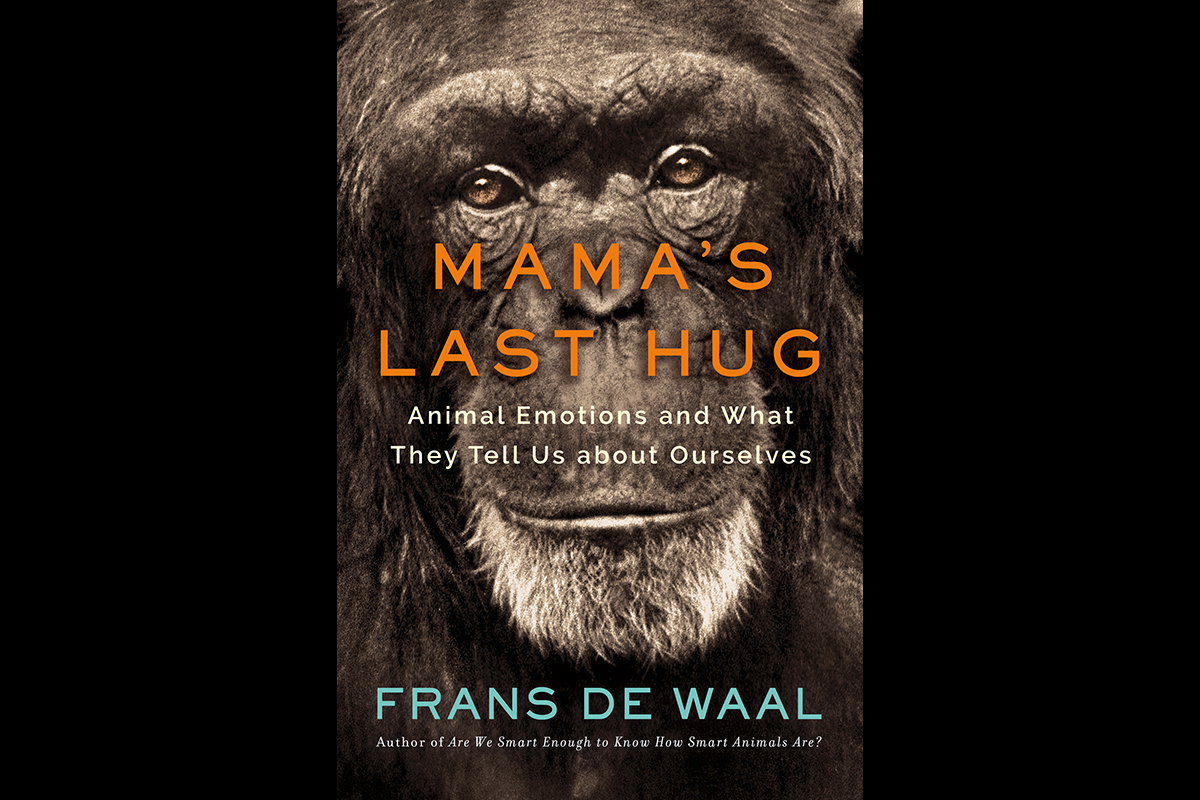
Mama’s Last Hug: Animal Emotions and What They Tell Us about Ourselves

New York Times best-selling author and primatologist Frans de Waal explores the fascinating world of animal and human emotions in his new book Mama’s Last Hug. It opens with the dramatic farewell between Mama, a dying fifty-nine-year-old chimpanzee matriarch, and biologist Jan Van Hooff. This heartfelt final meeting of two longtime friends, widely shared as a video, offers a window into how deep and instantly recognizable these bonds can be. So begins Frans de Waal’s whirlwind tour of new ideas and findings about animal emotions, based on his renowned studies of the social and emotional lives of chimpanzees, bonobos, and other primates.

At this special Science on Tap, join us for De Waal’s discussion of facial expressions, animal sentience and consciousness, Mama’s life and death, the emotional side of human politics, and the illusion of free will. Learn how he distinguishes between emotions and feelings, all the while emphasizing the continuity between our species and other species. Hear about his radical proposal that emotions are like organs: we don’t have a single organ that other animals don’t have, and the same is true for our emotions.

Frans de Waal has been named one of Time magazine’s 100 Most Influential People. The author of Are We Smart Enough to Know How Smart Animals Are?, among many other works, he is the C. H. Candler Professor in Emory University’s Psychology Department and director of the Living Links Center at the Yerkes National Primate Research Center. He lives in Atlanta, Georgia.

What is Happening This Week in Science? Find out with TWIS!

What IS happening this week in science??? It’s often hard to keep up with the pace of new discoveries. But, that’s where the This Week in Science (TWIS) podcast comes in! Prepare to laugh and learn while TWIS, the longest running, woman-run science podcast, entertains you with SCIENCE!

This Week in Science (TWIS) is a weekly web and radio talk-show presenting a humorous, often opinionated, and irreverent look at the week in science and technology. In each show, the hosts, Dr. Kiki Sanford (a neuroscientist), Justin Jackson (a car-salesman turned geneticist), and Blair Bazdarich (the zoologist), discuss the latest in cutting-edge science news on topics such as: genetic engineering, stem cells, human evolution, climate change, space exploration, neuroscience, microbiology, and show favorites – Countdown to World Robot Domination and Blair’s Animal Corner. 

Feed your curiosity about the world, and join the TWIS crew for this very special LIVE broadcast from the Alberta Rose Theater where we will be joined by nerdy musical guests, The PDX Broadsides! If you enjoy music by Jonathan Coulton, Ingrid Michaelson, Magnetic Zeroes, Karen Kilgariff, The Finches, Paul and Storm, and Barenaked Ladies, you are going to love the PDX Broadsides.
It will be a night of science, music, and fun… don’t miss out!
This Science on Tap event is brought to you in partnership with Science Talk, a local organization dedicated to improving science communication and engagement.

  • Event Date

    Wednesday, April 3, 2019

  • Start Time

    7:00 pm Pacific

  • Tickets

  • Available Food & Drink

    Hand pies & pizza rolls, snacks, sweets, with a a full bar and a great selection non-alcoholic drinks, coffee and tea.
  • Accessibility Information

    Vaccine cards required at Science on Tap events. Masks are highly recommended, but not required. Visit the Alberta Rose COVID safety policies page for more information.

    There are no stairs to enter the theater. There is ramp down to seating area and wheelchair space in the front.

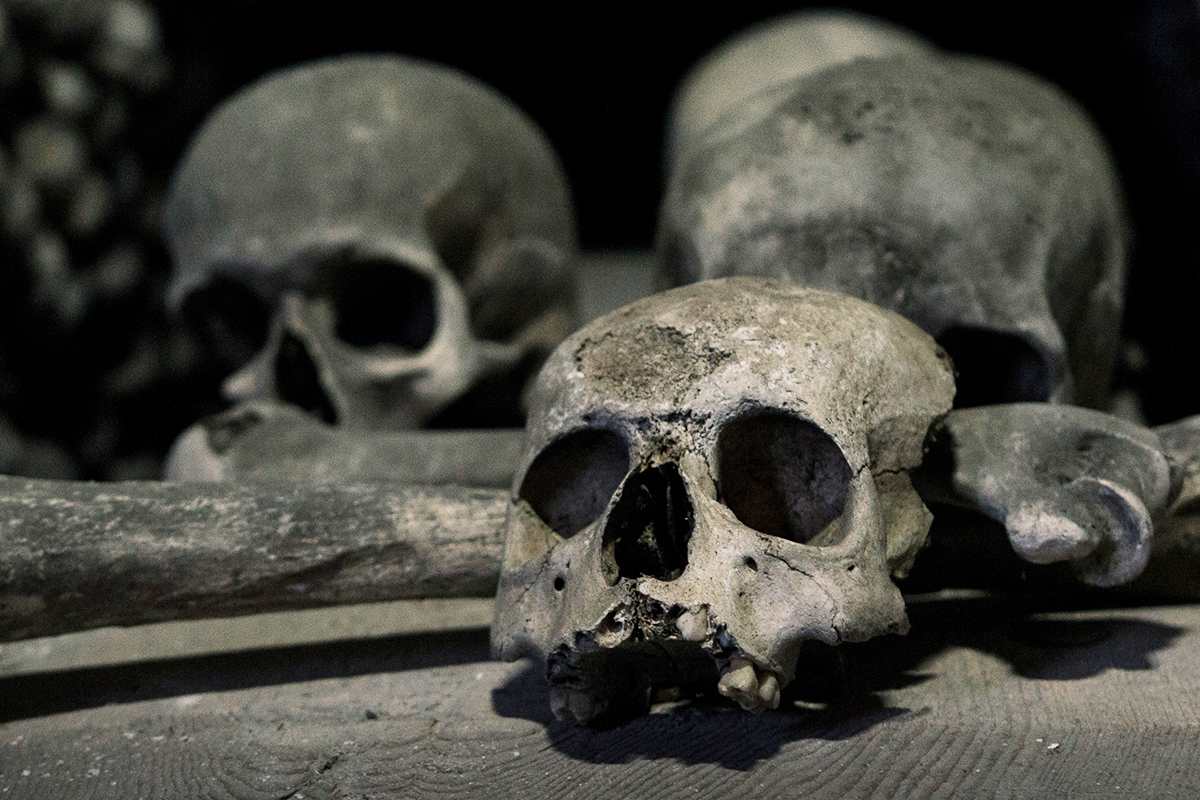
Science is Stranger than Fiction: Death and the Afterlife

Humanity’s fascination with death and the supernatural has influenced science for centuries. The desire to overcome death and understand the strange and unusual of the human condition has inspired many scientists throughout history, particularly within the fields of anatomy and medicine.

At this Science on Tap, Leslie New, PhD, assistant professor of statistics at WSU Vancouver, will take us on a tour of some of the weirdest specimens from museum collections in the western world and describe how scientists through the centuries have tried to understand death and the afterlife.

Not for the squeamish, join us for a walk through the more macabre corners of science as we celebrate Leonardo da Vinci’s 567th birthday!

  • Event Date

    Tuesday, April 16, 2019

  • Start Time

    7:00 pm Pacific

  • Tickets

  • Available Food & Drink

    Hand pies & pizza rolls, snacks, sweets, with a a full bar and a great selection non-alcoholic drinks, coffee and tea.
  • Accessibility Information

    Vaccine cards required at Science on Tap events. Masks are highly recommended, but not required. Visit the Alberta Rose COVID safety policies page for more information.

    There are no stairs to enter the theater. There is ramp down to seating area and wheelchair space in the front.

The Lives of Bees: The Untold Story of the Honey Bee in the Wild

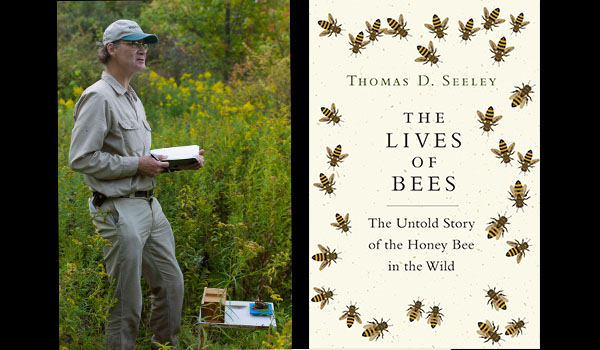
Humans have kept honey bees in hives for millennia, yet only in recent decades have biologists begun to investigate how these industrious insects live in the wild. The Lives of Bees is Thomas Seeley’s captivating story of what scientists are learning about the behavior, social life, and survival strategies of honey bees living outside the beekeeper’s hive—and how wild honey bees may hold the key to reversing the alarming die-off of the planet’s managed honey bee populations.

Seeley presents an entirely new approach to beekeeping—Darwinian Beekeeping—which enables honey bees to use the toolkit of survival skills their species has acquired over the past thirty million years, and to evolve solutions to the new challenges they face today. He shows beekeepers how to use the principles of natural selection to guide their practices, and he offers a new vision of how beekeeping can better align with the natural habits of honey bees.

Dr Thomas D. Seeley is the Horace White Professor in Biology at Cornell University. He is the author of Following the Wild BeesHoneybee Democracy, and Honeybee Ecology as well as The Wisdom of the Hive.

  • Event Date

    Wednesday, May 15, 2019

  • Start Time

    7:00 pm Pacific

  • Tickets

  • Available Food & Drink

    Hand pies & pizza rolls, snacks, sweets, with a a full bar and a great selection non-alcoholic drinks, coffee and tea.
  • Accessibility Information

    Vaccine cards required at Science on Tap events. Masks are highly recommended, but not required. Visit the Alberta Rose COVID safety policies page for more information.

    There are no stairs to enter the theater. There is ramp down to seating area and wheelchair space in the front.

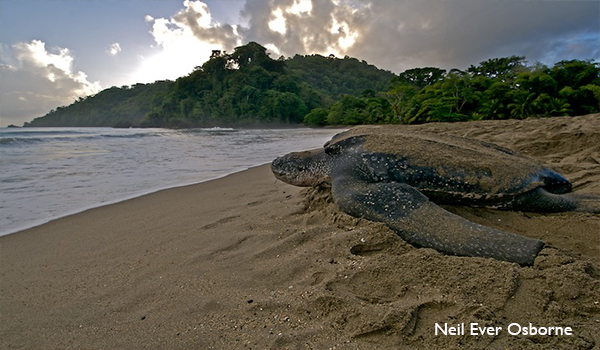
Sea Turtles: Mysteries of the Ocean

Sea turtles are magnificent creatures that have survived 100 million years of evolution and are critical to the health of the ocean ecosystem. Despite more than 50 years of research and recent advances in technology, scientists have only begun to understand these animals who spend the majority of their lives at sea and can travel thousands of miles every year. Human activities are threatening sea turtles with extinction through things such as habitat destruction and climate change, but scientists and concerned volunteers are helping bring them back.  

At this Science on Tap, Brad Nahill, President of SEE Turtles and a co-author of the Worldwide Travel Guide to Sea Turtles will talk about innovative research efforts, emerging threats to these animals, and his team’s education and conservation efforts around the world. Their efforts have helped save more than 2 million endangered hatchlings, launched a worldwide effort to end demand for tortoiseshell products, and have generated more than $1 million for conservation and coastal communities, resulting in the organization being named a finalist for the World Travel and Tourism Council’s Changemakers Award. Join us to learn why sea turtles are important, how people are working to save them, and ways that you can join in the efforts to protect these graceful animals. 


This event is sponsored by:

  • Event Date

    Wednesday, May 8, 2019

  • Start Time

    7:00 pm Pacific

  • Tickets

  • Available Food & Drink

    Beer, wine, popcorn, pizza slices, and snacks available.
  • Accessibility Information

    Vaccine cards required at Science on Tap events. Masks are highly recommended, but not required.

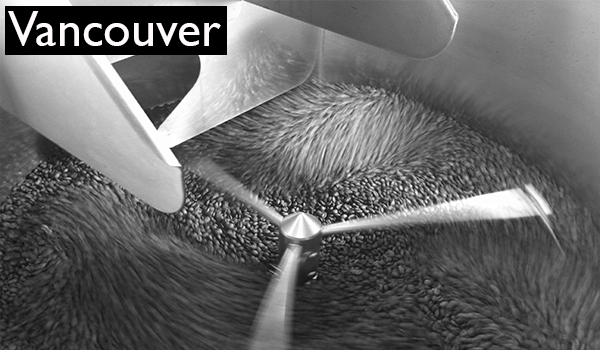
Fire-Bending: Coffee Roasting and its Effect on the Bean

The flames roaring, the ever-changing smells, the rhythmic sounds of the movement of the beans within the metal dragon. Inside, coffee beans are loosing water content, amino acids are catalyzing reactions with monosaccharides, oligosaccharides are undergoing caramelization, organic acids are breaking down while others are forming from the breakdown of these carbohydrates while developing pressures that can exceed 300 psi. At the end of the day, 300 volatile aromatics are transformed into over 1000. This craft, so often pictured in the artisanal idyllic is blending of science, art, and craft: bending fire to transform raw coffee into roasted beans.  

In this session, Rob Hoos, author and Director of Coffee at Nossa Familia, will introduce us to the world of coffee roasting, as well as dive into some of the science that underpins and guides the profession of a coffee roaster. Looking at the process from start to finish, we will come to understand the basic design, chemistry, and thermodynamics of the process as well as dive into current research on the manipulation of flavor development during coffee roasting. 


This event is sponsored by:

  • Event Date

    Wednesday, June 12, 2019

  • Start Time

    7:00 pm Pacific

  • Tickets

  • Available Food & Drink

    Beer, wine, popcorn, pizza slices, and snacks available.
  • Accessibility Information

    Vaccine cards required at Science on Tap events. Masks are highly recommended, but not required.

The Science of Adult Attachment: Understanding our Patterns in Relationships

We all have an attachment style that impacts how we behave and feel in romantic relationships.  Though attachment styles are formed during childhood, awareness of our attachment style and tendencies can support the development of a healthy relationship through adulthood.  At this Science on Tap, Leah Haas, a mental health provider and sex educator, will discuss the origins of each attachment style and the behaviors associated with them so participants can walk away with ideas to make their romantic relationship more secure and satisfying.  

Leah Haas has a Master of Social Work (MSW) and is a Clinical Social Work Associate (CSWA), providing mental health therapy on sexuality and gender related topics.  She is also a sex educator for the State of Oregon and co-founder of Beyond the Talk, an organization that supports sexual health for adults.

  • Event Date

    Tuesday, June 18, 2019

  • Start Time

    7:00 pm Pacific

  • Tickets

  • Available Food & Drink

    Hand pies & pizza rolls, snacks, sweets, with a a full bar and a great selection non-alcoholic drinks, coffee and tea.
  • Accessibility Information

    Vaccine cards required at Science on Tap events. Masks are highly recommended, but not required. Visit the Alberta Rose COVID safety policies page for more information.

    There are no stairs to enter the theater. There is ramp down to seating area and wheelchair space in the front.

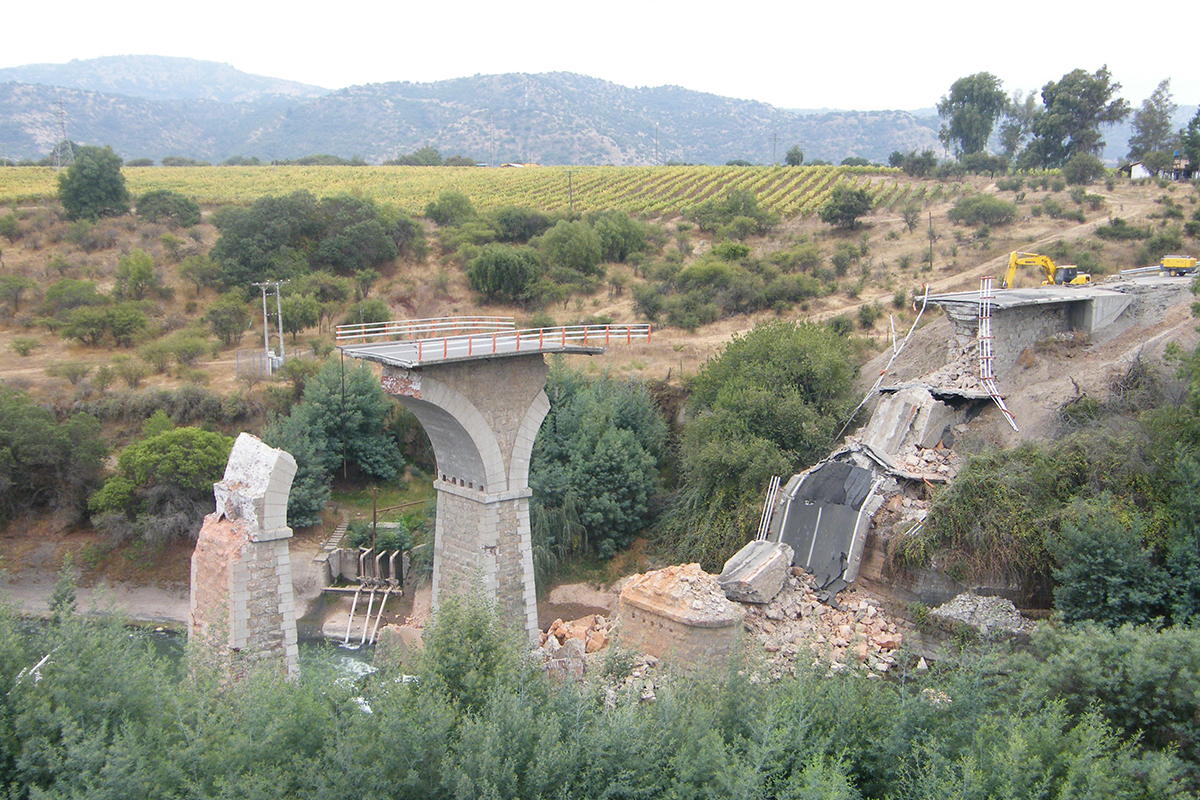
Living in Earthquake Country: What Can the Pacific NW Learn from Recent Quakes

The Pacific Northwest is due for a major earthquake along the Cascadia Subduction Zone, and a magnitude 9 Cascadia earthquake and tsunami would likely produce an unprecedented catastrophe much larger than any disaster the pacific northwest, or the nation, has ever faced. Vancouver isn’t ready, and significant preparation is needed to safeguard communities, businesses, and people. There are lessons to be learned from several recent earthquakes around the world including Chile, Japan, New Zealand, and Mexico. At this Science on Tap, Allison Pyrch, a local geotechnical engineer, will discuss SW Washington’s earthquake setting, what similar quakes can tell us about what to expect from a Cascadia earthquake, and how the Pacific Northwest is preparing for “the really big one.

Allison Pyrch is a geotechnical engineer whose experience includes site specific seismic design for buildings, roads, bridges, dock and port structures, large embankments, slopes and landslides, and water and wastewater infrastructure. Recognized as American Society of Civil Engineer’s 2018 Oregon/SW Washington Engineer of the Year, she has travelled to Chile, Japan, and Mexico after their recent subduction zone earthquakes and tsunamis to study the effects on lifelines.  Allison was also featured prominently in the awards-winning OPB documentary Unprepared, as well as the Al Jazeera program TechKnow.


This event is sponsored by:

  • Event Date

    Wednesday, July 10, 2019

  • Start Time

    7:00 pm Pacific

  • Tickets

  • Available Food & Drink

    Beer, wine, popcorn, pizza slices, and snacks available.
  • Accessibility Information

    Vaccine cards required at Science on Tap events. Masks are highly recommended, but not required.

SOLD OUT: As the Crow Flies: Corvid Behavior, Play, and Funerals

Crows are everywhere: they are found on nearly every continent and thrive in human dominated environments. They have influenced art and literature throughout history, and whether they inspire love or hate, they have certainly impacted the hearts and minds of the humans who share their space.

Because crows are so common, it may be easy to overlook the fact that they are very intelligent and have complex behaviors and social structures, including play, tool use, communal roosting, and being able to recognize specific humans. Kaeli Swift, PhD, studies crows and other corvids (ravens, jays, and magpies), and will introduce and explain to us the world of these fascinating birds, including, of course, crow funerals.

You can find Dr. Swift on Twitter and Instagram @corvidresearch where she talks about crows, corvids, and other wildlife and plays a weekly game called #CrowOrNo to help people learn how to correctly ID and distinguish different kinds of corvids.

  • Event Date

    Tuesday, July 16, 2019

  • Start Time

    7:00 pm Pacific

  • Tickets

  • Available Food & Drink

    Hand pies & pizza rolls, snacks, sweets, with a a full bar and a great selection non-alcoholic drinks, coffee and tea.
  • Accessibility Information

    Vaccine cards required at Science on Tap events. Masks are highly recommended, but not required. Visit the Alberta Rose COVID safety policies page for more information.

    There are no stairs to enter the theater. There is ramp down to seating area and wheelchair space in the front.

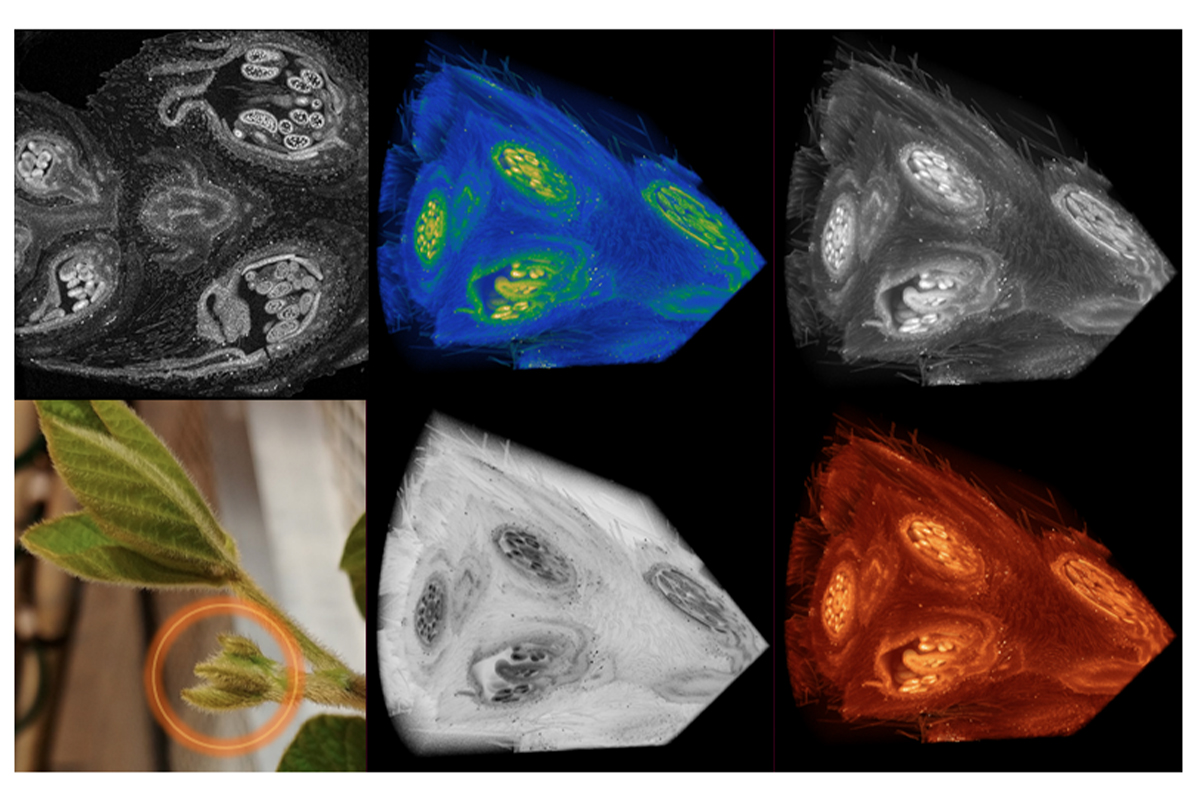
X-Ray Imaging in Plant Biology: Seeing the Unseen

We’re all familiar with how X-rays allow doctors to get detailed views inside their patients to find out what’s going on without having to actually cut people open. Scientists can also use x-rays to look inside plants to study things like disease resistance, drought tolerance, and advanced breeding technologies without having to cut open or damage the plants. Using this non-destructive imaging technology we can see the unseen, such as ears and tassels of corn as they develop inside the stalk, roots as they grow in the soil, or flowers and buds as they develop into fruits or grains. 

At this Science on Tap we’ll be joined by Keith Duncan, research scientist at the Donald Danforth Plant Science Center in St. Louis, the largest independent non-profit plant science institute in the world. He’ll talk about how x-ray imaging is a great benefit to plant science research, and can help us to find safe, effective, and sustainable ways to grow plants using fewer inputs like water, fertilizers, and pesticides. That will help us feed the expected 8 billion humans that will inhabit the earth by 2030, and do so with declining arable land and limited available water. Remember, plant science research is only important if you want to eat, drink, wear clothes, have medicines, or breathe oxygen; other than that it’s not important.

  • Event Date

    Thursday, August 8, 2019

  • Start Time

    7:00 pm Pacific

  • Tickets

  • Available Food & Drink

    Hand pies & pizza rolls, snacks, sweets, with a a full bar and a great selection non-alcoholic drinks, coffee and tea.
  • Accessibility Information

    Vaccine cards required at Science on Tap events. Masks are highly recommended, but not required. Visit the Alberta Rose COVID safety policies page for more information.

    There are no stairs to enter the theater. There is ramp down to seating area and wheelchair space in the front.

The Science of Gender

Mention the word gender, and everyone has an opinion.  We have been taught that gender is a social construct that determines behavior based on sexual anatomy.  Biology focuses on the 23rdpair of chromosomes as if there is no variation in the XX/XY function.  It all seems so simple, until we learn that it isn’t.

In this special Science on Tap, you will hear from both Dr Jena Lopez and Linden G. Jordan that chromosomes can vary widely with variations in results and why it is not useful to speak of sex and gender as the same entities.  Sharing about fetal development and the many variations that occur that directly impact one’s anatomy and one’s sense of self where gender is concerned, this discussion will give new meaning to the words gender, transgender, gender fluid, intersex and queer.

Jena Lopez M.D. is a Board-Certified Emergency Physician, currently practicing in the Pacific Northwest.  She started the Northwest Trans Youth Clinic, where she helps people hormonally transition so their bodies can be in alignment with their gender identity. Prior to opening the clinic, she spent three years learning by attending conferences and working with experts in the field, such as Johanna Olsen-Kennedy MD (at CHLA) and Keven Hatfield MD (at Polyclinic in Seattle). Dr. Lopez is also a member of the World Professional Association for Transgender Health.  She has presented to numerous healthcare professionals on transgender health, in an effort to create awareness and help educate the healthcare community on how to better serve this population.

Linden G. Jordan, MA, JD has worked as an attorney, a mental health counselor and a professor in his career spanning 34 years.  When he retired, rather than taking up golf or going around the world, he transitioned from his assigned birth gender of female to male.  His lived experience will add meaning to the discussion about the Science of Gender. He is currently a board member of PFLAG (Parents and Friends of Lesbians and Gays) where he is on the Speakers Bureau. He lives in the little town of Marblemount with his partner, three dogs and several chickens.


This event is sponsored by:

  • Event Date

    Wednesday, August 14, 2019

  • Start Time

    7:00 pm Pacific

  • Tickets

  • Available Food & Drink

    Beer, wine, popcorn, pizza slices, and snacks available.
  • Accessibility Information

    Vaccine cards required at Science on Tap events. Masks are highly recommended, but not required.

Making Memories: Can Neuroscience Enhance Teaching and Learning?

How does your brain learn best? As the field of Neuroscience uncovers the neural mechanisms of perception and learning, can we begin to bring these findings into the classroom to help improve how students learn? Right before the school year begins, this Science on Tap will discuss the brain’s learning networks, their emotional connections and how the visual and motor pathways influence what we process. Join us as Dr. Mark Pitzer demonstrates of how each brain circuit can be recruited by instructors to improve teaching and learning in and out of the classroom and how neuroscience can make learning truly memorable. 

Mark Pitzer, Ph.D. is a Neuroscientist at the University of Portland. For the last 25 years he has worked to better understand diseases of the brain. He has worked on techniques to improve the survival of newly transplanted brain cells as a treatment for Parkinson’s disease and, more recently, conducted experiments using a genetic technique to halt the production of toxic proteins in the brain as a potential treatment for Huntington’s disease. Currently, his lab is conducting experiments designed to identify the neural circuits and neurotransmitters that play a role in the personality changes that affect those who suffer from Huntington’s disease. Mark is also an award-winning teacher that uses the findings from the fields of Learning and Neuroscience to invoke enduring enthusiasm, curiosity and deep learning in his college students. 

  • Event Date

    Tuesday, August 20, 2019

  • Start Time

    7:00 pm Pacific

  • Tickets

  • Available Food & Drink

    Hand pies & pizza rolls, snacks, sweets, with a a full bar and a great selection non-alcoholic drinks, coffee and tea.
  • Accessibility Information

    Vaccine cards required at Science on Tap events. Masks are highly recommended, but not required. Visit the Alberta Rose COVID safety policies page for more information.

    There are no stairs to enter the theater. There is ramp down to seating area and wheelchair space in the front.

Music and the Aging Brain: A Discussion and Concert

This event is produced in collaboration with Oregon Repertory Singers in support of their Fall concert, Shadow and Light, an Alzheimer’s Journey by Northwest composer, Joan Szymko.

Our brains undergo numerous changes that affect memory, motor, and sensory functions as we age. Many of these changes are amplified in diseases like Alzheimer’s and other forms of dementia. Could music limit the effects of aging and neurodegenerative diseases?

At this event, learn from Dr. Larry Sherman, a musician and Professor of Neuroscience at the Oregon Health & Science University, and singer/songwriter Naomi LaViolette as they explore how listening, practicing, and performing music influence the brain, and how these activities could impact brain aging and disease. They will also discuss Naomi’s work as a pianist, vocalist, arranger, and composer with Steven Goodwin, who suffers from Alzheimer’s, and the Saving His Music project, which has received prominent coverage in national and local news.

Join us and enjoy a multi-media presentation that combines live music and visuals with discussions about cutting edge science. The presenters will be performing live music ranging from Debussy, Leonard Cohen, and the Beatles to original pieces by Ms. LaViolette and Steven Goodwin.

  • Event Date

    Wednesday, September 4, 2019

  • Start Time

    7:00 pm Pacific

  • Tickets

  • Available Food & Drink

    Hand pies & pizza rolls, snacks, sweets, with a a full bar and a great selection non-alcoholic drinks, coffee and tea.
  • Accessibility Information

    Vaccine cards required at Science on Tap events. Masks are highly recommended, but not required. Visit the Alberta Rose COVID safety policies page for more information.

    There are no stairs to enter the theater. There is ramp down to seating area and wheelchair space in the front.

The Microbiome: Fecal Transplant and Microbial Ecology

Over the past several decades, we have gained immense insight into the world of the human microbiome. The observations made using techniques like Fecal Microbiota Transplant and microbial sequencing are contributing to a new paradigm of what it means to be human. We now know we are not alone in our own bodies. We have a compilation of trillions of microbes living in and on us. They are working together with our cells as a complex ecosystem, one that defines us as a holobiont. Through the lens of the human microbiome we are challenged to approach health like we do ecology. We can begin to think about how every choice we make is interfacing with this ecosystems.

Andrea McBeth is a Naturopathic Doctor with a passion for shifting perspectives toward microbiome-centered health. Her scientific background includes a degree in biochemistry and research pursuits in various areas of molecular and cellular biology. After years working in cancer research, she left academia and the hospital to be a full-time patient advocate for a family member with cancer. That experience and her own journey of chronic pain and autoimmune disease led her to the pursue healthcare and advocacy using the tools of naturopathic medicine. As a licensed N.D. in Oregon and Washington, she focuses her clinical care on functional gastrointestinal and autoimmune issues. In conjunction with her functional medicine practice, she founded and runs a stool bank that provides Fecal Microbiota Transplant for the treatment of resistant Clostridium difficile infection as well as investigational applications for other microbiome therapies.

Through her work with Fecal Transplant and as a functional medicine physician, she believes strongly that we will need to be creative in our ways to save the microbial diversity of the human microbiome for the sake of our health. Just as climate change is ravishing the Earth’s biodiversity, so too, our microbiomes are being decimated by Western lifestyles. Standard American diets, overuse of pharmaceutical medications, beauty products, and the loss of everyday interactions with natural soil and plant microbes are all contributing to this loss. She posits that our approach to saving our health and planet will need to be as multifaceted as the ways in which we are destroying it.


This event is sponsored by:

  • Event Date

    Wednesday, September 11, 2019

  • Start Time

    7:00 pm Pacific

  • Tickets

  • Available Food & Drink

    Beer, wine, popcorn, pizza slices, and snacks available.
  • Accessibility Information

    Vaccine cards required at Science on Tap events. Masks are highly recommended, but not required.

As the Crow Flies: Corvid Behavior, Play, and Funerals

Crows are everywhere: they are found on nearly every continent and thrive in human dominated environments. They have influenced art and literature throughout history, and whether they inspire love or hate, they have certainly impacted the hearts and minds of the humans who share their space. Because crows are so common, it may be easy to overlook the fact that they are very intelligent and have complex behaviors and social structures, including play, tool use, communal roosting, and being able to recognize specific humans.

Kaeli Swift, PhD, studies crows and other corvids (ravens, jays, and magpies), and will introduce and explain to us the world of these fascinating birds, including, of course, crow funerals. You can find Dr. Swift on Twitter and Instagram@corvidresearch where she talks about crows, corvids, and other wildlife and plays a weekly game called #CrowOrNo to help people learn how to correctly ID and distinguish different kinds of corvids.

  • Event Date

    Tuesday, September 17, 2019

  • Start Time

    7:00 pm Pacific

  • Tickets

  • Available Food & Drink

    Hand pies & pizza rolls, snacks, sweets, with a a full bar and a great selection non-alcoholic drinks, coffee and tea.
  • Accessibility Information

    Vaccine cards required at Science on Tap events. Masks are highly recommended, but not required. Visit the Alberta Rose COVID safety policies page for more information.

    There are no stairs to enter the theater. There is ramp down to seating area and wheelchair space in the front.

Stranger than Fiction: It’s a Cruel Natural World

People across cultures have revered nature for giving life to all things and Mother Nature is often personified as nurturing, benevolent, and seeking to promote the abundance of life. But Mother Nature is not always so nice. Nature also can wreak havoc in the animal kingdom, and has evolved things such as parasites capable of mind control, cannibalistic mates, and fetuses that eat their siblings in utero. In the second installment of our Science is Stranger than Fiction series and just in time for Halloween, Leslie New, PhD, assistant professor of statistics at WSU Vancouver, will take us on a tour of some of the fascinating, horrifying, and totally natural ways that Mother Nature can be ruthless.

Leslie New, PhD is an assistant professor of statistics at WSU Vancouver. She specializes in using and developing statistical methodologies to improve the understanding, management and conservation of wildlife populations. A personal interest in the macabre keeps her exploring weird museum specimens and strange evolutionary traits in animals, while her main research on marine mammal and avian species keeps her busy on a day to day basis.

  • Event Date

    Wednesday, October 9, 2019

  • Start Time

    7:00 pm Pacific

  • Tickets

  • Available Food & Drink

    Beer, wine, popcorn, pizza slices, and snacks available.
  • Accessibility Information

    Vaccine cards required at Science on Tap events. Masks are highly recommended, but not required.

Fungipedia: A Brief Compendium of Mushroom Lore

Combining ecological, ethnographic, historical, and contemporary knowledge, author and mycologist Lawrence Millman discusses how mushrooms are much more closely related to humans than to plants, how they engage in sex, how insects farm them, and how certain species happily dine on leftover radiation, cockroach antennae, and dung. He explores the lives of individuals like African American scientist George Washington Carver, who specialized in crop diseases caused by fungi; Beatrix Potter, creator of Peter Rabbit, who was prevented from becoming a professional mycologist because she was a woman; and Gordon Wasson, a J. P. Morgan vice-president who almost single-handedly introduced the world to magic mushrooms. Millman considers why fungi are among the most significant organisms on our planet and how they are currently being affected by destructive human behavior, including climate change.

Fungipedia presents a delightful A–Z treasury of mushroom lore. With more than 180 entries—on topics as varied as Alice in Wonderland, chestnut blight, medicinal mushrooms, poisonings, Santa Claus, and waxy caps—this collection will transport both general readers and specialists into the remarkable universe of fungi.  With charming drawings by artist and illustrator Amy Jean Porter, Fungipedia offers a treasure trove of scientific and cultural information.

Lawrence Millman is a mycologist and author of numerous books, including Our Like Will Not Be There AgainFascinating Fungi of New England, and At the End of the World. He has done mycological work in places as diverse as Greenland, Honduras, Iceland, Panama, the Canadian Arctic, Bermuda, and Fresh Pond in Cambridge, Massachusetts, where he has documented 321 different species.

  • Event Date

    Tuesday, October 15, 2019

  • Start Time

    7:00 pm Pacific

  • Tickets

  • Available Food & Drink

    Hand pies & pizza rolls, snacks, sweets, with a a full bar and a great selection non-alcoholic drinks, coffee and tea.
  • Accessibility Information

    Vaccine cards required at Science on Tap events. Masks are highly recommended, but not required. Visit the Alberta Rose COVID safety policies page for more information.

    There are no stairs to enter the theater. There is ramp down to seating area and wheelchair space in the front.

Making Memories: Using Neuroscience to Enhance Teaching and Learning

How does your brain learn best? As the field of Neuroscience uncovers the neural mechanisms of perception and learning, can we begin to bring these findings into the classroom to help improve how students learn? This Science on Tap will discuss the brain’s learning networks, their emotional connections and how the visual and motor pathways influence what we process. Join us as Dr. Mark Pitzer demonstrates of how each brain circuit can be recruited by instructors to improve teaching and learning in and out of the classroom and how neuroscience can make learning truly memorable. Mark Pitzer, Ph.D. is a Neuroscientist at the University of Portland. For the last 25 years he has worked to better understand diseases of the brain. He has worked on techniques to improve the survival of newly transplanted brain cells as a treatment for Parkinson’s disease and, more recently, conducted experiments using a genetic technique to halt the production of toxic proteins in the brain as a potential treatment for Huntington’s disease. Currently, his lab is conducting experiments designed to identify the neural circuits and neurotransmitters that play a role in the personality changes that affect those who suffer from Huntington’s disease. Mark is also an award-winning teacher that uses the findings from the fields of Learning and Neuroscience to invoke enduring enthusiasm, curiosity and deep learning in his college students.


This event is sponsored by:

  • Event Date

    Wednesday, November 13, 2019

  • Start Time

    7:00 pm Pacific

  • Tickets

  • Available Food & Drink

    Beer, wine, popcorn, pizza slices, and snacks available.
  • Accessibility Information

    Vaccine cards required at Science on Tap events. Masks are highly recommended, but not required.

A Path in the Woods: How Forests Can Help Stop Climate Change

As the growing effects of climate change become clear — massive fires and floods, hotter summers, stronger hurricanes — it’s obvious that we urgently need to do something. Forest loss and degradation is globally the second largest source of CO2 emissions (after fossil fuels), but it’s the only emissions source that can reverse course and reabsorb that same CO2. Forest conservation and restoration management can sequester massive amounts of carbon and promote climate resiliency. The Pacific Northwest is home to some of the most productive and carbon-rich forests on the planet, and changing how we manage these and other forests is key to ensuring a safe future.

At this Science on Tap we will hear from Laurie Wayburn, Co-Founder and CEO of the Pacific Forest Trust, who will discuss the immediate imperative— and opportunity— for forest conservation and restoration here at home as a climate solution. This cost effective strategy also has multiple benefits for water, wildlife habitat, human health, and jobs. Come learn about the unique role of forests and other land conservation efforts in as an essential climate strategy and how you can get involved to make positive change.

  • Event Date

    Tuesday, November 19, 2019

  • Start Time

    7:00 pm Pacific

  • Tickets

  • Available Food & Drink

    Hand pies & pizza rolls, snacks, sweets, with a a full bar and a great selection non-alcoholic drinks, coffee and tea.
  • Accessibility Information

    Vaccine cards required at Science on Tap events. Masks are highly recommended, but not required. Visit the Alberta Rose COVID safety policies page for more information.

    There are no stairs to enter the theater. There is ramp down to seating area and wheelchair space in the front.

Using Neuroscience to Fight Racism

Racism is a system in which people are treated a particular way based on their race. Racism exists because of racial prejudice, where we make judgements about people based entirely on their race and not on actual experience. Our brains react to people who are different from us within milliseconds. At this Science on Tap, Dr. Larry Sherman, a Professor of Neuroscience, will explore how our brains engage in prejudice, the consequences of prejudice and racism for both racists and people who experience racism in their daily lives, and how understanding these processes suggest ways that we can overcome prejudice and racism in our society.

Larry Sherman is a Professor in the Department of Cell, Developmental and Cancer Biology and in the Neuroscience Graduate Program at the Oregon Health & Science University. He is also the President of the Oregon and Southwest Washington Chapter of the Society for Neuroscience. He has over 90 publications related to brain development and neurological diseases. He serves on numerous US and international scientific review panels and he has made numerous television appearances, discussing various topics related to neuroscience. He has also given hugely popular talks and performances (including playing the piano) around the globe on topics that include music and the brain, the neuroscience of pleasure and love, and the neuroscience of racism. The Oregon Museum of Science and Industry and Portland Monthly Magazine recognized Dr. Sherman as one of the “People who are changing our world”. He was also the 2012 Teacher of the Year at the Oregon Health & Science University School of Medicine.


This event is sponsored by:

  • Event Date

    Wednesday, December 4, 2019

  • Start Time

    7:00 pm Pacific

  • Tickets

  • Available Food & Drink

    Beer, wine, popcorn, pizza slices, and snacks available.
  • Accessibility Information

    Vaccine cards required at Science on Tap events. Masks are highly recommended, but not required.

Coming to a Fault Near You: Planning for Cascadia Earthquakes

The Pacific Northwest is due for a major earthquake along the Cascadia Subduction Zone, and a magnitude 9 Cascadia earthquake and tsunami would likely produce an unprecedented catastrophe much larger than any disaster the Pacific Northwest, or the nation, has ever faced. Portland isn’t ready, and significant preparation is needed to safeguard communities, businesses, and people. There are lessons to be learned from several recent earthquakes around the world including Chile, Japan, New Zealand, and Mexico. At this Science on Tap, Allison Pyrch, a local geotechnical engineer, will discuss Portland’s earthquake setting, what similar quakes can tell us about what to expect from a Cascadia earthquake, and how the Pacific Northwest is preparing for “the really big one”.

Allison Pyrch is a geotechnical engineer whose experience includes site specific seismic design for buildings, roads, bridges, dock and port structures, large embankments, slopes and landslides, and water and wastewater infrastructure. Recognized as American Society of Civil Engineer’s 2018 Oregon/SW Washington Engineer of the Year, she has travelled to Chile, Japan, and Mexico after their recent subduction zone earthquakes and tsunamis to study the effects on lifelines.  Allison was also featured prominently in the awards-winning OPB documentary Unprepared, as well as the Al Jazeera program TechKnow.

  • Event Date

    Tuesday, December 10, 2019

  • Start Time

    7:00 pm Pacific

  • Tickets

  • Available Food & Drink

    Hand pies & pizza rolls, snacks, sweets, with a a full bar and a great selection non-alcoholic drinks, coffee and tea.
  • Accessibility Information

    Vaccine cards required at Science on Tap events. Masks are highly recommended, but not required. Visit the Alberta Rose COVID safety policies page for more information.

    There are no stairs to enter the theater. There is ramp down to seating area and wheelchair space in the front.

What’s in Your Snowpack? Snow, Water, and Crowdsourcing Science

Snow is an essential part of our water resources here in the Pacific Northwest and in other mountain environments. Snowpack stores water and slowly releases it to downstream locations in the springtime, and stream ecology, agriculture, and thirsty people all benefit. And let’s not forget the incredible recreational resource that snow provides to the Pacific Northwest before it melts. Understanding the distribution and evolution of our snowpack is therefore important but can be difficult for many reasons: it’s cold, the days are short, and it’s hard to get to it. At this Science on Tap, David Hill will discuss some of the ways in which we observe and study snow, and he will introduce ways that YOU can help collect scientific data on snow depth for NASA by getting involved with citizen science. Wax your boards, tune your edges, and help improve what we know about the snow.

David Hill is a professor at Oregon State University and a National Geographic Explorer. For over 25 years, he has studied how water behaves as it travels from mountain headwaters to coastal environments. He currently co-leads the Community Snow Observations project, one of six citizen science projects funded by NASA to improve understanding of our physical environment. Hill has recently been an Erskine Fellow at the University of Canterbury, New Zealand. No matter the hemisphere, if it’s spring, you’ll find him out surveying the snow between mountain summit and trailhead.


This event is sponsored by:

  • Event Date

    Wednesday, January 8, 2020

  • Start Time

    7:00 pm Pacific

  • Tickets

  • Available Food & Drink

    Beer, wine, popcorn, pizza slices, and snacks available.
  • Accessibility Information

    Vaccine cards required at Science on Tap events. Masks are highly recommended, but not required.