Archaeology in Oregon: Methods, Misconceptions, and Life in the Ice Age

What was life like in Oregon during the Ice Age? What can pikas, pollen, and ancient poop tell us about how Indigenous peoples lived and what the environment was like? 

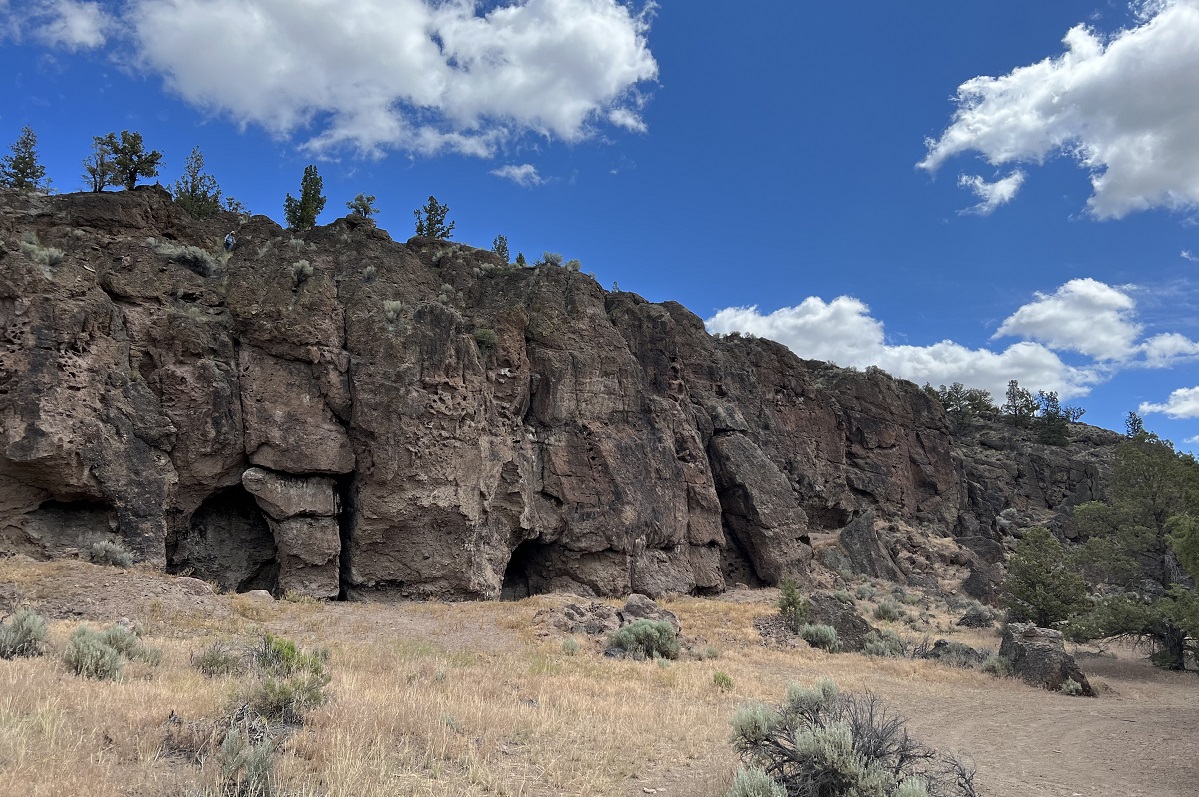
Bone needles, sagebrush shoes, and obsidian spear points have all been found to be a part of life thousands of years ago in Oregon. These technologies and other clues reflect the dynamic relationships between Indigenous peoples, plants, animals, and landscapes. Paleoethnobotany, the study of the relationship between humans and plants in the past, helps to reveal these stories.

At this Science on Tap, Dr. Katelyn McDonough tells us about what her team’s work in central Oregon has revealed about people’s lives over the last 13,000 years. She’ll cover some misconceptions about archaeology, innovative methods, and how information from the past informs conservation and social issues of the present.

Dr. Katelyn McDonough is an assistant professor in the Department of Anthropology and Curator of Great Basin Archaeology in the Museum of Natural and Cultural History at the University of Oregon. As Director of the Northern Great Basin Archaeology Field School, Katelyn leads education and research programs at a series of rockshelters in central Oregon where Indigenous communities have intermittently lived for over 12,500 years. Katelyn is especially interested in how archaeological information can inform current conservation and social issues. 

  • Event Date

    Wednesday, November 15, 2023

  • Start Time

    7:00 pm Pacific

  • End Time

    8:30 pm Pacific

  • Tickets

    Door

    General Admission: $20

    get tickets

    Ticket fine print

    We at Science on Tap are committed to offering educational opportunities to adults who want to learn. If the ticket price is a hardship for you, please write to us and we're happy to provide reduced-price tickets to those who request them.

  • Venue

    Kiggins Theatre
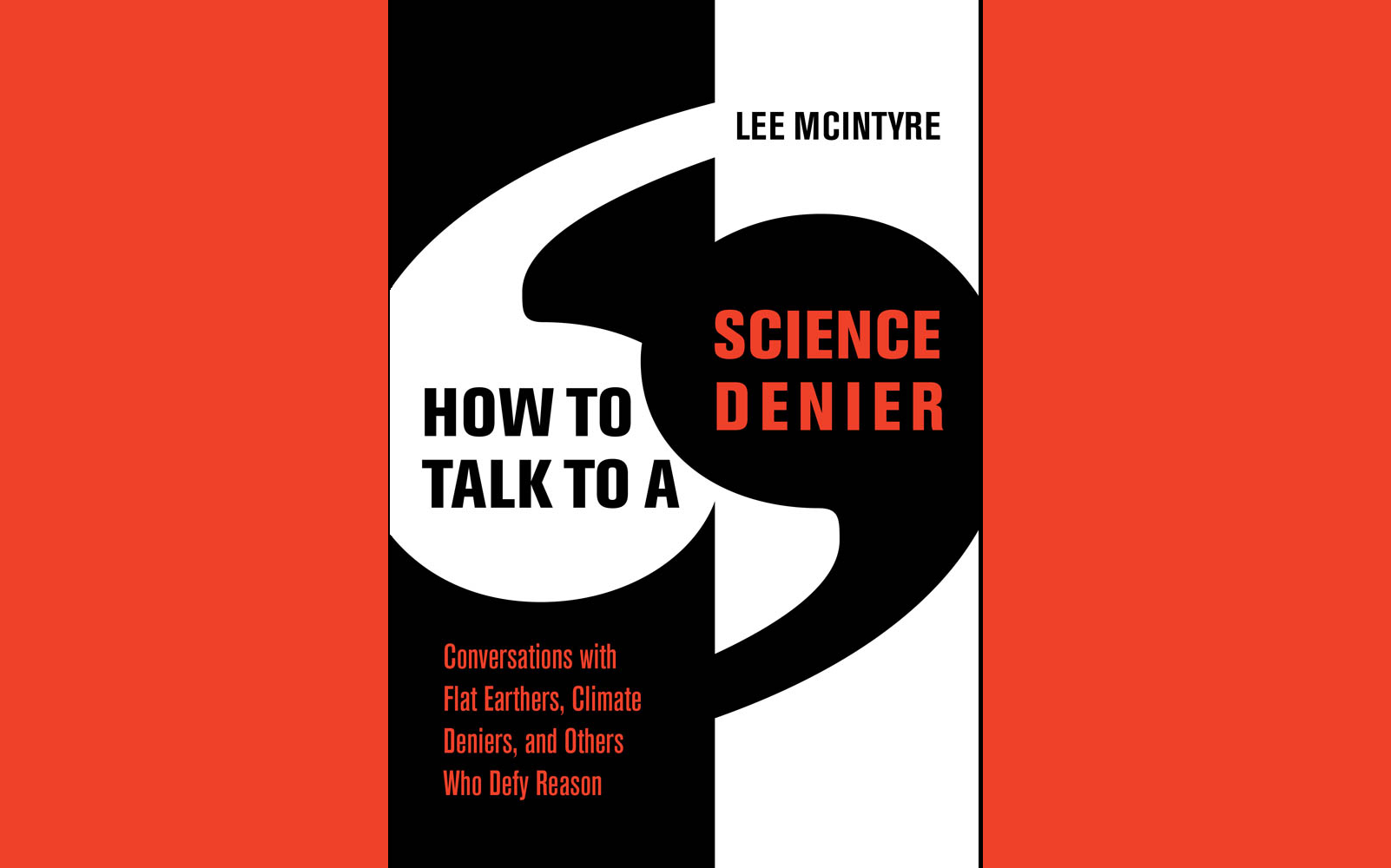
How to Talk to a Science Denier

Can we change the minds of science deniers? Encounters with flat earthers, anti-vaxxers, coronavirus truthers, and others.

“Climate change is a hoax—and so is coronavirus.” “Vaccines are bad for you.” These days, many of our fellow citizens reject scientific expertise and prefer ideology to facts. They are not merely uninformed—they are misinformed. They cite cherry-picked evidence, rely on fake experts, and believe conspiracy theories.

How can we convince such people otherwise? How can we get them to change their minds and accept the facts when they don’t believe in facts? In this Science on Tap, Lee McIntyre shows that anyone can fight back against science deniers, and argues that it’s important to do so. Science denial can kill.

Drawing on his own experience—including a visit to a Flat Earth convention—as well as academic research, How to Talk to a Science Denier outlines the common themes of science denialism, present in misinformation campaigns ranging from tobacco companies’ denial in the 1950s that smoking causes lung cancer to today’s anti-vaxxers. He describes attempts to use his persuasive powers as a philosopher to convert Flat Earthers; surprising discussions with coal miners; and conversations with a scientist friend about genetically modified organisms in food. McIntyre offers tools and techniques for communicating the truth and values of science, emphasizing that the most important way to reach science deniers is to talk to them calmly and respectfully—to put ourselves out there, to meet them face to face.

Lee McIntyre is a Research Fellow at the Center for Philosophy and History of Science at Boston University and a recent Lecturer in Ethics at Harvard Extension School. He holds a B.A. from Wesleyan University and a Ph.D. in Philosophy from the University of Michigan. Formerly Executive Director of the Institute for Quantitative Social Science at Harvard University, he has also served as a policy advisor to the Executive Dean of the Faculty of Arts and Sciences at Harvard. McIntyre’s latest book is On Disinformation (which will also be available at the show). He’s also a native Portlander and grew up about a mile from the Alberta Rose Theatre!

  • Event Date

    Wednesday, March 20, 2024

  • Start Time

    7:00 pm Pacific

  • End Time

    8:30 pm Pacific

  • Tickets

    Door

    General Admission: $25

    get tickets

    Ticket fine print

    We at Science on Tap are committed to offering educational opportunities to adults who want to learn. If the ticket price is a hardship for you, please write to us and we're happy to provide reduced-price tickets to those who request them.

  • Venue

    Alberta Rose Theatre

Amazing Adaptations: How Birds Cope with Hardship

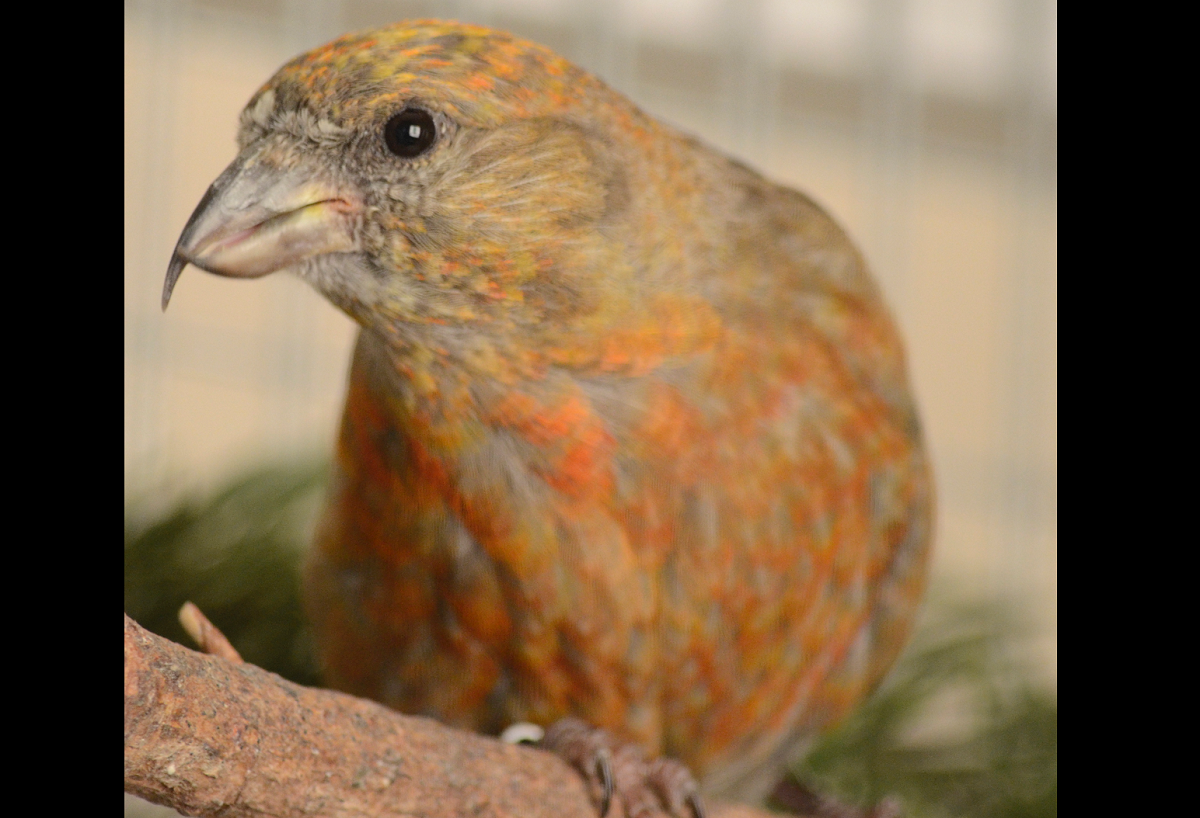
Most of us humans are able to retreat to the safety of a building or a well-stocked pantry to wait out storms, smoke, or heat waves…but what do all the birds do? Do they also seek shelter? Do they leave? How long can they wait before they must go try to find food? Such decisions can literally mean life or death.

Some amazing adaptations help them decide what to do. For example, information from nearby neighbors can change their brains and how they process stress…and can even affect how large their intestines are! These strategies help them to cope with times of unpredictable food and highlight how important social interactions are for birds.

Dr. Jamie Cornelius and her lab study behavioral and physiological strategies that birds use to cope with unpredictable change. In other words, why do some birds survive better than others when the going gets tough? She’ll describe field and lab experiments that help us understand their needs and what strategies might help them to cope with global change. While many talks centered on climate change can fill you with doom and gloom, this one just might give you reason to hope that mother nature has some tricks up her sleeve.

Dr. Jamie Cornelius is an assistant professor at Oregon State University in the Department of Integrative Biology. She earned a B.S. in Zoology at the University of Washington and a PhD in Animal Behavior at UC Davis. She spent several years as a post-doctoral scholar at the Max Planck Institute of Ornithology in Germany and as a Fulbright fellow at St. Petersburg State University in Russia. Hard work and good luck have brought her back to the Pacific Northwest – and to Vancouver, where she first started her science career at Columbia River High School nearly 30 years ago! 

  • Event Date

    Wednesday, February 21, 2024

  • Start Time

    7:00 pm Pacific

  • Tickets

    Door

    General Admission: $25

    get tickets

    Ticket fine print

    We at Science on Tap are committed to offering educational opportunities to adults who want to learn. If the ticket price is a hardship for you, please write to us and we're happy to provide reduced-price tickets to those who request them.

  • Venue

    Alberta Rose Theatre

Kombucha SCOBY: A (mostly) Happily-Ever-After Story of Microbial Cooperation

Kombucha has gone from a weird home-brewed beverage only consumed by health-obsessed hippies (and everyone in Portland, of course) to a popular non-alcoholic alternative to soda. At the heart of this story is the perception of kombucha as healthy, and the relative simplicity of carrying out a kombucha fermentation – make some sweet tea, throw in the “SCOBY” and when it starts to smell vinegary, taste it to see if it’s done. What can go wrong?

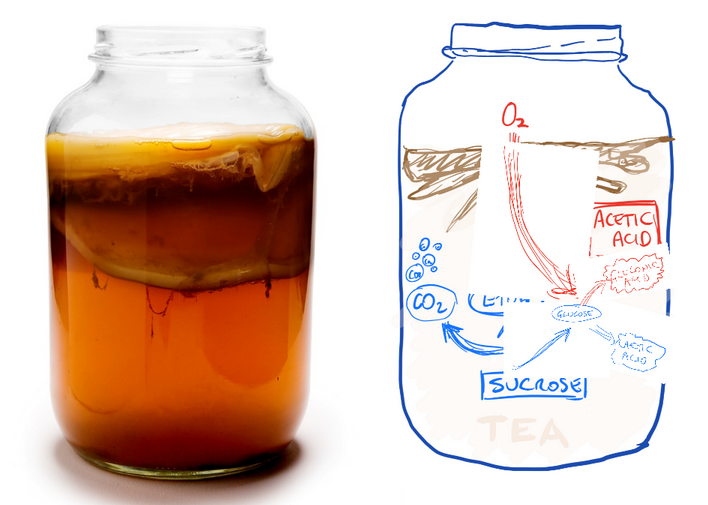
As it turns out, the simplicity of the fermentation system relies upon a complex mixture of microbes each needing to do their part. That slimy chunk of cellulose that floats on top of an active kombucha ferment, known as “the SCOBY”, contains bacteria and yeast working together, hence the acronym (Symbiotic Culture of Bacteria and Yeast). The yeast in the SCOBY turns sugar in the sweet tea into alcohol, and the bacteria turn that alcohol into the acid that gives the vinegary flavor. Sometimes these processes are not fully synced-up and kombucha may end up tasting a bit too funky, or may not meet the requirements of a non-alcoholic beverage.

At this Science on Tap, Dr. Chris Curtin will describe his laboratory’s quest to work out which yeast and bacteria are most commonly found in SCOBY and how they cooperate to deliver tasty, non-alcoholic kombucha. He will also discuss the sometimes controversial topic of whether kombucha is a probiotic beverage.

Dr. Chris Curtin is an associate professor of fermentation microbiology at Oregon State University, chairs the Microbiology committee of the American Society for Brewing Chemists, and serves as associate editor for the Journal of the Science of Food and Agriculture. His lab focuses on the role of microbes in beverage fermentation and food stability…and enjoying the consumption of those products!

  • Event Date

    Wednesday, July 26, 2023

  • Start Time

    7:00 pm Pacific

  • End Time

    8:30 pm Pacific

  • Tickets

    Door

    General Admission: $25

    get tickets

    Ticket fine print

    We at Science on Tap are committed to offering educational opportunities to adults who want to learn. If the ticket price is a hardship for you, please write to us and we're happy to provide reduced-price tickets to those who request them.

  • Venue

    Alberta Rose Theatre

Seeing the Big Picture: How the Brain Manipulates our Visual World

When we open our eyes, are we perceiving reality? Why do we fail to agree on the color of “The Dress” (that went viral in 2015)? Have you ever glanced at ticking clock and noticed the second-hand suddenly freeze for a split second?

Neuroscience research suggests that the brain evolved to make rapid, best-guesses about the objects in our environment, rather than create a one-to-one representation of the world. Through stories and demonstrations, Dr. Mark Pitzer will discuss some of the effects of this strategy and how our visual system can highlight some objects, delete others, and alter our conscious awareness in an attempt to help us navigate our visual world.

We’re excited to welcome Mark Pitzer back to Science on Tap! (Remember that great Making Memories show??)

Mark Pitzer, Ph.D. is a neuroscientist at the University of Portland. For the last 25 years he has worked to better understand and treat diseases of the brain, including Parkinson’s and Huntington’s diseases. Currently, his lab studies how developmental influences in the womb can alter the number of dopaminergic neurons involved in movement and reward. Mark is also an award-winning teacher that uses the findings from the fields of learning and neuroscience to invoke enduring enthusiasm, curiosity and deep learning in his college students.  

  • Event Date

    Tuesday, September 19, 2023

  • Start Time

    7:00 pm Pacific

  • End Time

    8:30 pm Pacific

  • Tickets

    Door

    General Admission: $25

    get tickets

    Ticket fine print

    We at Science on Tap are committed to offering educational opportunities to adults who want to learn. If the ticket price is a hardship for you, please write to us and we're happy to provide reduced-price tickets to those who request them.

  • Venue

    Alberta Rose Theatre

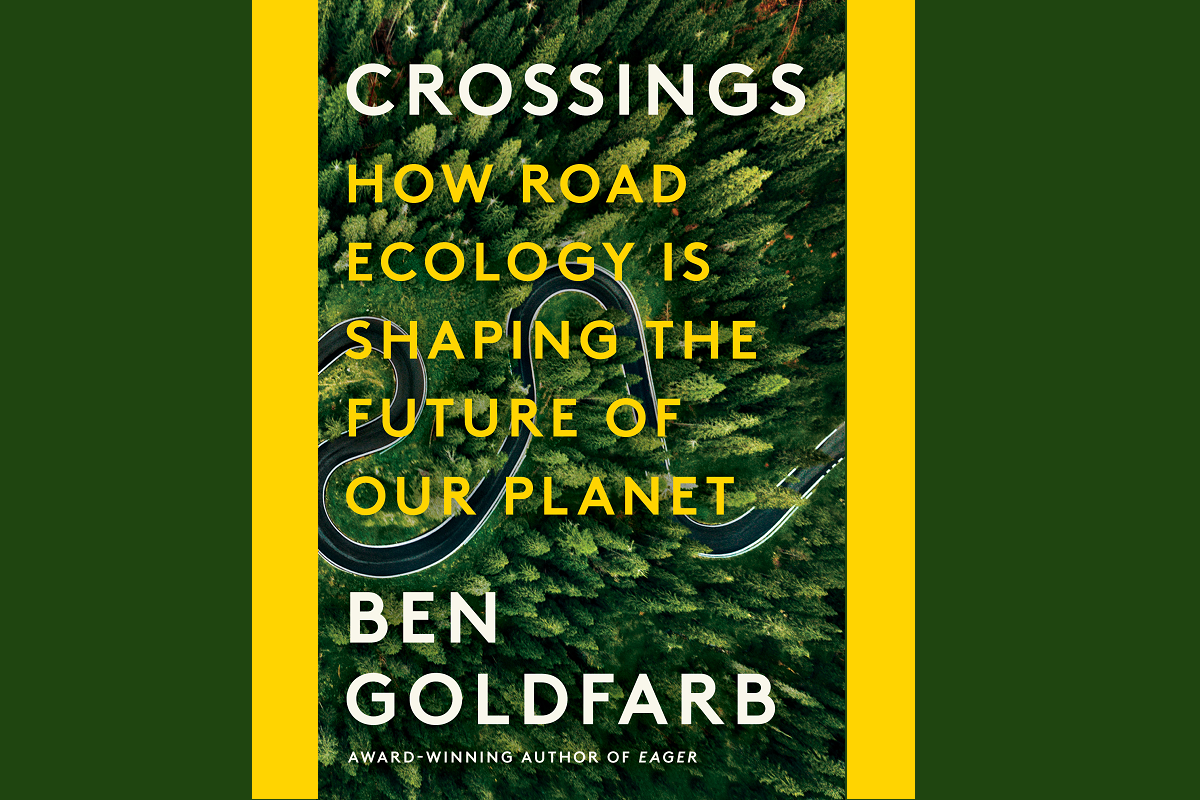
Crossings: How Road Ecology Is Shaping the Future of Our Planet

Some 40 million miles of roadways encircle the earth, but we tend to regard them only as infrastructure for human convenience. A million animals are killed by cars each day in the US alone, and roads fragment wildlife populations into inbred clusters, disrupt migration for creatures from antelope to salmon, allow invasive plants to spread, and even bend the arc of evolution itself.

But road ecologists are also seeking innovative solutions: conservationists building bridges for mountain lions, tunnels for toads, engineers deconstructing logging roads, and citizens working to undo the havoc highways have wreaked upon cities.

In Crossings, Ben Goldfarb delves into the new science of road ecology to explore how roads have transformed our world. A sweeping, spirited, and timely investigation into how humans have altered the natural world, Crossings also shows us how to create a better future for all living beings.

Ben Goldfarb is the author of Eager: The Surprising, Secret Life of Beavers and Why They Matter, winner of the PEN/E.O. Wilson Literary Science Writing Award. A recipient of fellowships from the Alicia Patterson Foundation and the Whiting Foundation, he lives in Colorado.

  • Event Date

    Wednesday, September 13, 2023

  • Start Time

    7:00 pm Pacific

  • End Time

    8:30 pm Pacific

  • Tickets

    Door

    General Admission: $20

    get tickets

    Ticket fine print

    We at Science on Tap are committed to offering educational opportunities to adults who want to learn. If the ticket price is a hardship for you, please write to us and we're happy to provide reduced-price tickets to those who request them.

  • Venue

    Kiggins Theatre
Amazing Adaptations: How Birds Cope with Hardship

Most of us humans are able to retreat to the safety of a building or a well-stocked pantry to wait out storms, smoke, or heat waves…but what do all the birds do? Do they also seek shelter? Do they leave? How long can they wait before they must go try to find food? Such decisions can literally mean life or death.

Some amazing adaptations help them decide what to do. For example, information from nearby neighbors can change their brains and how they process stress…and can even affect how large their intestines are! These strategies help them to cope with times of unpredictable food and highlight how important social interactions are for birds.

Dr. Jamie Cornelius and her lab study behavioral and physiological strategies that birds use to cope with unpredictable change. In other words, why do some birds survive better than others when the going gets tough? She’ll describe field and lab experiments that help us understand their needs and what strategies might help them to cope with global change. While many talks centered on climate change can fill you with doom and gloom, this one just might give you reason to hope that mother nature has some tricks up her sleeve.

Dr. Jamie Cornelius is an assistant professor at Oregon State University in the Department of Integrative Biology. She earned a B.S. in Zoology at the University of Washington and a PhD in Animal Behavior at UC Davis. She spent several years as a post-doctoral scholar at the Max Planck Institute of Ornithology in Germany and as a Fulbright fellow at St. Petersburg State University in Russia. Hard work and good luck have brought her back to the Pacific Northwest – and to Vancouver, where she first started her science career at Columbia River High School nearly 30 years ago! 

  • Event Date

    Wednesday, July 12, 2023

  • Start Time

    7:00 pm Pacific

  • End Time

    8:30 pm Pacific

  • Tickets

    Door

    General Admission: $20

    get tickets

    Ticket fine print

    We at Science on Tap are committed to offering educational opportunities to adults who want to learn. If the ticket price is a hardship for you, please write to us and we're happy to provide reduced-price tickets to those who request them.

  • Venue

    Kiggins Theatre

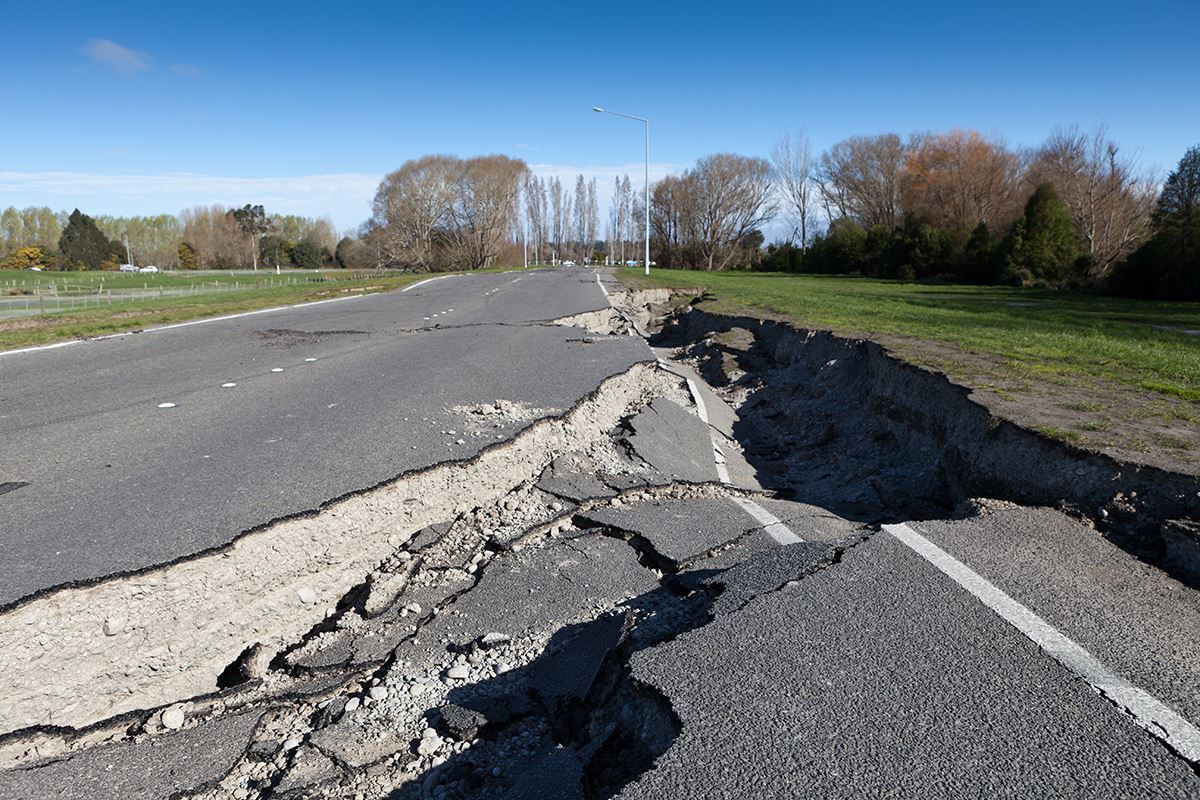
Cascadia Earthquakes: Reality, Risks, and Improving Resilience

The Pacific Northwest is due for a major earthquake along the Cascadia Subduction Zone, and a magnitude 9 Cascadia earthquake and tsunami would likely produce an unprecedented catastrophe much larger than any disaster the state of Oregon has ever faced.

Oregon’s resilience to earthquakes is low, thus, preparing for a catastrophic disaster to become more resilient is needed to improve personal safety and safeguard communities and businesses. At this Science on Tap, Yumei Wang, engineer and geologist, will discuss Oregon’s earthquake setting, expected impacts from a Cascadia earthquake, and how Portlanders are preparing for “the really big one.”

Yumei Wang focuses on deficient infrastructure to improve community safety for Cascadia earthquakes and tsunamis and extreme weather disasters. She consults on disaster resilience projects including to DEQ on their forthcoming fuel terminal safety regulation, is Affiliate Faculty Senior Advisor on Infrastructure Resilience and Risk at PSU, and served for 26 years in the State of Oregon’s Department of Geology and Mineral Industries. Wang has conducted worldwide post-earthquake engineering damage assessments including the 2011 Tohoku, Japan and 2010 Maule, Chile disasters, and appeared in documentaries produced by OPB, NOVA, National Geographic, and Discovery. In 2022, she received the Public Service Award from The Geological Society of America, was named Engineer of the Year by the Professional Engineers of Oregon, and has served as a U.S. Congressional Fellow in Washington DC.

  • Event Date

    Wednesday, October 4, 2023

  • Start Time

    7:00 pm Pacific

  • End Time

    8:30 pm Pacific

  • Tickets

    Door

    General Admission: $25

    get tickets

    Ticket fine print

    We at Science on Tap are committed to offering educational opportunities to adults who want to learn. If the ticket price is a hardship for you, please write to us and we're happy to provide reduced-price tickets to those who request them.

  • Venue

    Alberta Rose Theatre

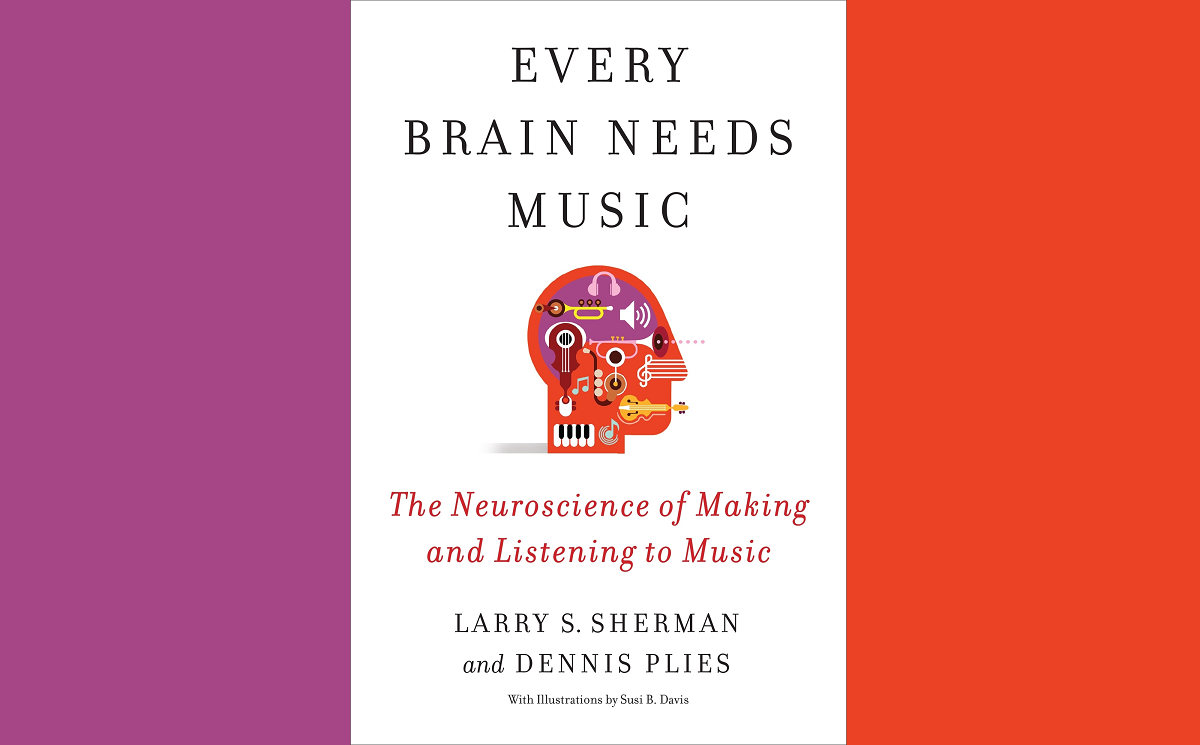
Every Brain Needs Music: The Neuroscience of Making and Listening to Music

Whenever a person engages with music, countless neurons are firing―when a piano student practices a scale, a jazz saxophonist riffs on a melody, someone sobs to a sad song, or a wedding guest gets down on the dance floor. Playing an instrument requires all of the resources of the nervous system, including cognitive, sensory, and motor functions. Something as seemingly simple as listening to a tune involves mental faculties most of us don’t even realize we have.

Joining us at this special event:

  • Neuroscientist and lifelong musician Dr. Larry Sherman
  • Grammy award-winning, Hopi-Nez Perce Native American flutist James Edmund Greeley
  • Internationally acclaimed gospel, jazz and blues singer Marilyn Keller
  • Singer, composer, pianist and recording artist Naomi LaViolette, and
  • Celebrated cello and bass quartet Porchello

This Science on Tap is a multi-media lecture and concert to show how our brains and music work in harmony. They consider music in all the ways we encounter it―teaching, learning, practicing, listening, composing, improvising, and performing―showing how the brain functions and even changes in the process. Learn new perspectives on learning to play, teaching, how to practice and perform, the ways we react to music, and why the brain benefits from musical experiences.

The event is also a book release celebration for Every Brain Needs Music: The Neuroscience of Making and Listening to Music, written by Dr. Sherman and former Warner Pacific University Professor of Music and musician Dennis Plies. Written for both musical and nonmusical people, including newcomers to brain science, this book covers all of the topics in the lecture (and much more) and is a lively and easy-to-read exploration of the neuroscience of music and its significance in our lives.

  • Event Date

    Wednesday, May 31, 2023

  • Start Time

    7:00 pm Pacific

  • End Time

    8:30 pm Pacific

  • Tickets

    Door

    General Admission: $35

    get tickets

    Ticket fine print

    We at Science on Tap are committed to offering educational opportunities to adults who want to learn. If the ticket price is a hardship for you, please write to us and we're happy to provide reduced-price tickets to those who request them.

  • Venue

    Aladdin Theater

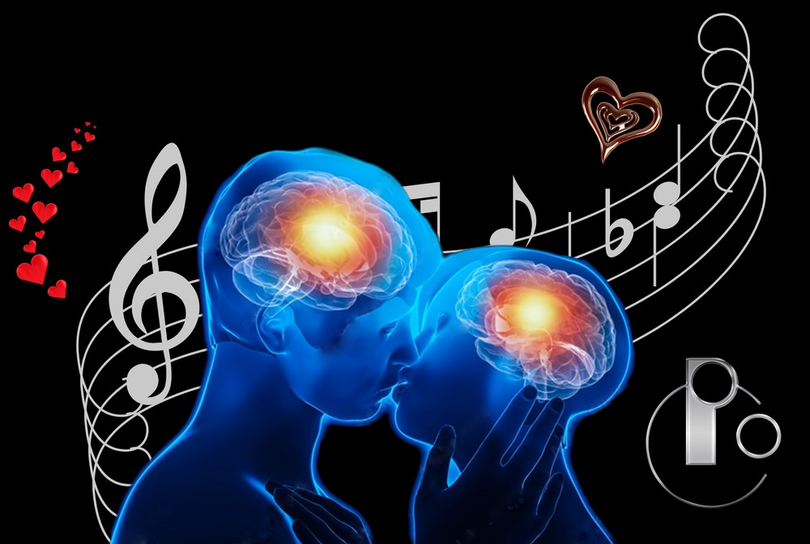
The Neuroscience of Pleasure: How Your Brain Responds to Music, Love, and Chocolate

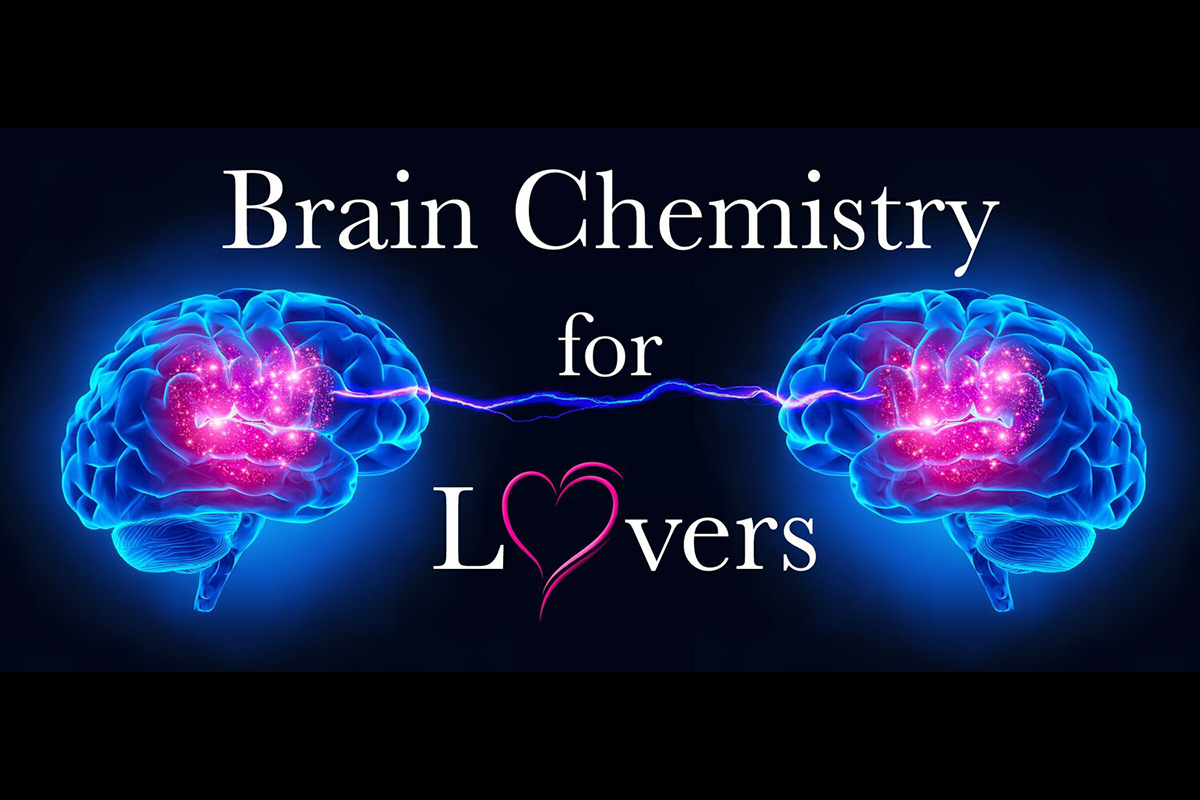
What happens in the brain when we fall in love or when love goes awry? Does chocolate activate the same brain chemistry as someone we can’t stop thinking about?

At this special Valentine’s Day event Dr. Larry Sherman, neuroscientist at OHSU, and singer/songwriter/pianist Naomi LaViolette, along with the Portland Chamber Orchestra, answer these and other questions about pleasure and love. Learn how neurochemical changes can have major effects on our behaviors—how we love, what we love, and who we love.

It’s a multi-media concert and lecture mixing music (ranging from Puccini to Sondheim), humor, and neuroscience in an unforgettable evening!

Note: this event is located at:
The Patricia Reser Center for the Arts
12625 SW Crescent Street, Beaverton, OR 97005

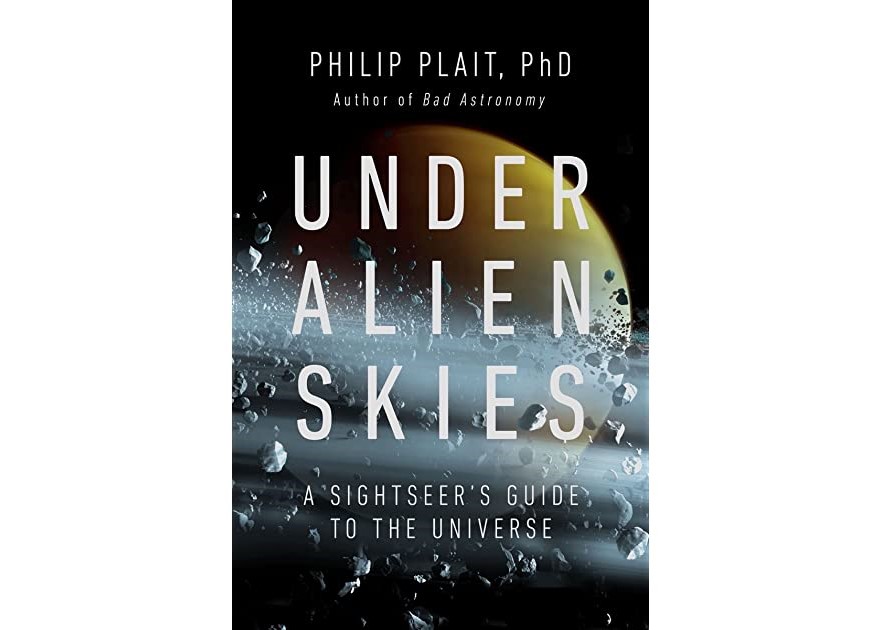
Under Alien Skies: A Sightseer’s Guide to the Universe

Have you ever wondered what it would be like to travel the universe? How would Saturn’s rings look from a spaceship sailing just above them? If you were falling into a black hole, what’s the last thing you’d see before getting spaghettified? While traveling in person to most of these amazing worlds may not be possible—yet—the would-be space traveler need not despair: you can still take the scenic route through the galaxy with renowned astronomer and science communicator Philip Plait.

At this Science on Tap, Plait draws ingeniously on both the latest scientific research and his prodigious imagination to transport you to ten of the most spectacular sights outer space has to offer. In vivid, inventive scenes informed by rigorous science—injected with a dose of Plait’s trademark humor—Under Alien Skies places you on the surface of alien worlds, onto a two-hundred-meter asteroid, stargazing from the rim of an ancient volcano on a planet where it is eternally late afternoon.

For the aspiring extraterrestrial citizen, casual space tourist, or curious armchair traveler, Plait is an illuminating, always-entertaining guide to the most otherworldly views in our universe.

Philip Plait, PhD, is an astronomer, sci-fi dork, TV documentary talking head, and all-around science enthusiast. The author of Bad Astronomy and Death from the Skies!, he writes the Bad Astronomy newsletter and lives in Colorado.

  • Event Date

    Wednesday, May 24, 2023

  • Start Time

    7:00 pm Pacific

  • End Time

    8:30 pm Pacific

  • Tickets

    Door

    General Admission: $25

    get tickets

    Ticket fine print

    We at Science on Tap are committed to offering educational opportunities to adults who want to learn. If the ticket price is a hardship for you, please write to us and we're happy to provide reduced-price tickets to those who request them.

  • Available Food & Drink

    Hand pies & pizza rolls, snacks, sweets, with a a full bar and a great selection non-alcoholic drinks, coffee and tea.
  • Accessibility Information

    Vaccine cards required at Science on Tap events. Masks are highly recommended, but not required. Visit the Alberta Rose COVID safety policies page for more information.

    There are no stairs to enter the theater. There is ramp down to seating area and wheelchair space in the front.

Seeing the Big Picture: How the Brain Manipulates our Visual World

When we open our eyes, are we perceiving reality? Why do we fail to agree on the color of “The Dress” (that went viral in 2015)? Have you ever glanced at ticking clock and noticed the second-hand suddenly freeze for a split second?

Neuroscience research suggests that the brain evolved to make rapid, best-guesses about the objects in our environment, rather than create a one-to-one representation of the world. Through stories and demonstrations, Dr. Mark Pitzer will discuss some of the effects of this strategy and how our visual system can highlight some objects, delete others, and alter our conscious awareness in an attempt to help us navigate our visual world.

We’re excited to welcome Mark Pitzer back to Science on Tap! (Remember that great Making Memories show??)

Mark Pitzer, Ph.D. is a neuroscientist at the University of Portland. For the last 25 years he has worked to better understand and treat diseases of the brain, including Parkinson’s and Huntington’s diseases. Currently, his lab studies how developmental influences in the womb can alter the number of dopaminergic neurons involved in movement and reward. Mark is also an award-winning teacher that uses the findings from the fields of learning and neuroscience to invoke enduring enthusiasm, curiosity and deep learning in his college students.  

COVID Policy:

Please be vaccinated and don’t forget to bring your mask!

  • Event Date

    Wednesday, April 19, 2023

  • Start Time

    7:00 pm Pacific

  • End Time

    8:30 pm Pacific

  • Tickets

    Door

    General Admission: $20

    get tickets

    Ticket fine print

    We at Science on Tap are committed to offering educational opportunities to adults who want to learn. If the ticket price is a hardship for you, please write to us and we're happy to provide reduced-price tickets to those who request them.

  • Venue

    Kiggins Theatre
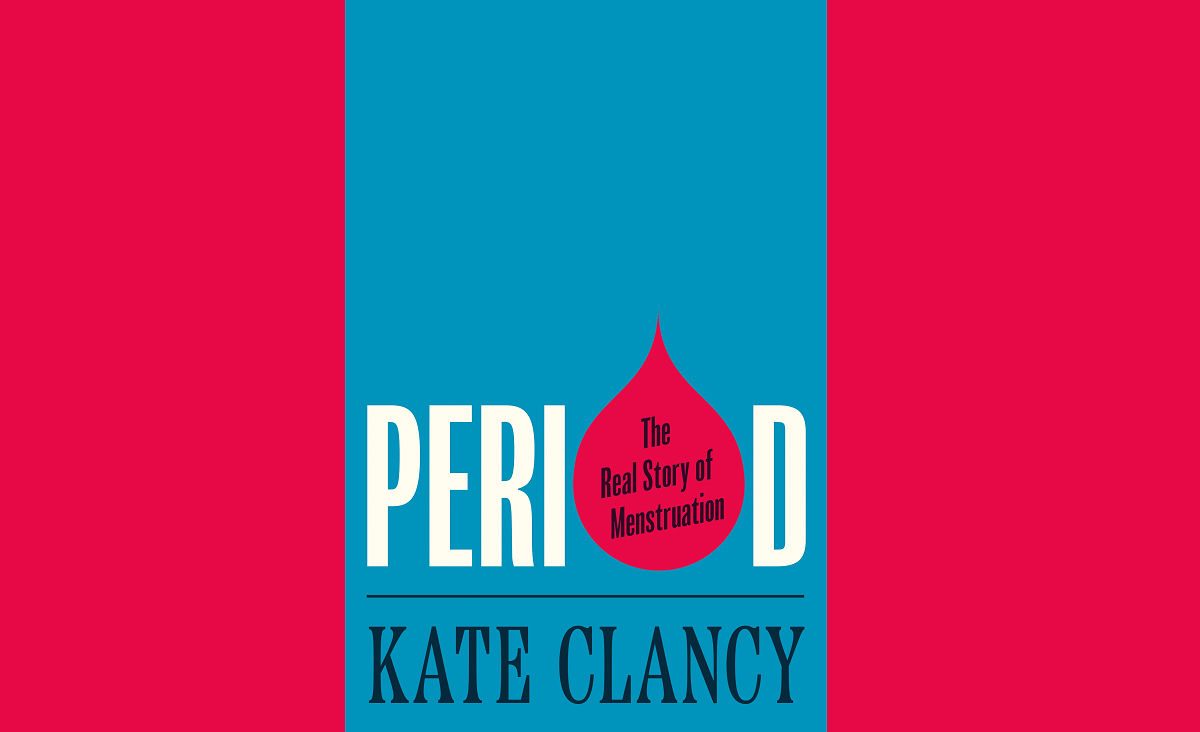
PERIOD: The Real Story of Menstruation

Menstruation is something half the world does for a week at a time, for months and years on end, yet it remains largely misunderstood. Scientists once thought of an individual’s period as useless, and some doctors still believe it’s unsafe for a menstruating person to swim in the ocean wearing a tampon. Period counters the false theories that have long defined the study of the uterus, exposing the eugenic history of gynecology while providing an intersectional feminist perspective on menstruation science.

Blending interviews and personal experience with engaging stories from her own pioneering research, Kate Clancy challenges a host of myths and false assumptions. There is no such thing as a “normal” menstrual cycle. In fact, they’re incredibly variable and highly responsive to environmental and psychological stressors. Clancy takes up a host of timely issues surrounding menstruation, from bodily autonomy, menstrual hygiene, and the COVID-19 vaccine to the ways racism, sexism, and medical betrayal warp public perceptions of menstruation and erase it from public life.

Kate Clancy is professor of anthropology at the University of Illinois, Urbana-Champaign, where she holds appointments in the Department of Gender and Women’s Studies and the Program in Ecology, Evolution, and Conservation Biology, and at the Beckman Institute for Advanced Science and Technology. She has written for National Geographic, Scientific American, and American Scientist.

  • Event Date

    Tuesday, May 9, 2023

  • Start Time

    7:00 pm Pacific

  • End Time

    8:30 pm Pacific

  • Tickets

    Door

    General Admission: $25

    get tickets

    Ticket fine print

    We at Science on Tap are committed to offering educational opportunities to adults who want to learn. If the ticket price is a hardship for you, please write to us and we're happy to provide reduced-price tickets to those who request them.

  • Venue

    Alberta Rose Theatre

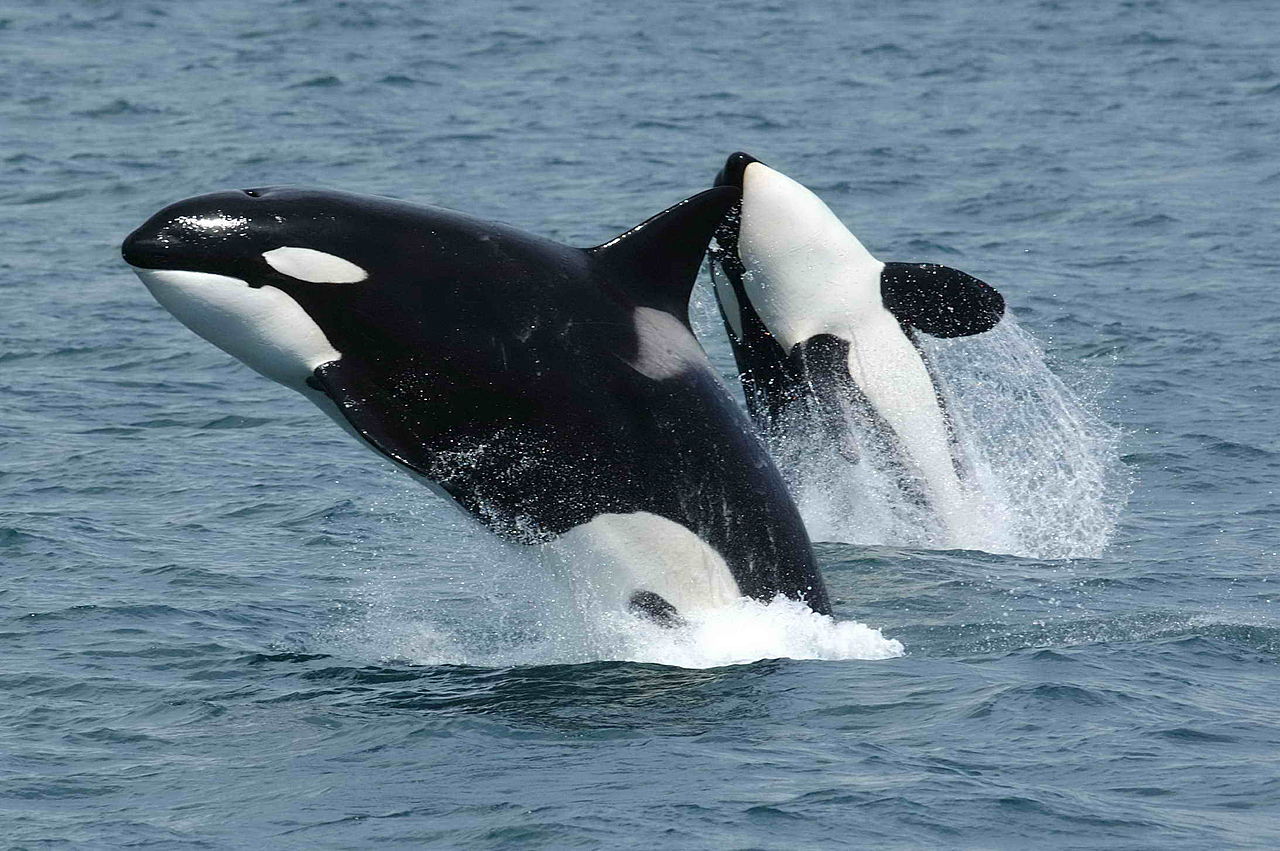
Why Poop is the Golden Ticket for Killer Whale Research

How do scientists learn about the health and diet of whales and dolphins when these species are often hidden in the ocean depths?

Thanks to rapid developments in genetic technologies (e.g. feces and environmental DNA (eDNA)), scientists have an ever-growing, noninvasive toolkit to look at what these leviathans are feeding on. They’re piecing together a picture of who ate what and helping to fill in some of the questions plaguing managers and conservationists focused on the endangered Southern Resident killer whales, including stock structure, diet, health, and genetic fitness.

Dr. Kim Parsons will describe her journey into the world of whale poop and how she’s using molecular genetics to help managers prioritize goals to support the recovery of the iconic Southern Resident killer whales. At this Science on Tap, learn how whale poop is providing amazing insights into killer whales and their prey.  

Kim Parsons, Ph.D. leads the Molecular Genetics team in the Conservation Biology Division at the Northwest Fisheries Science Center (NOAA Fisheries) in Seattle, WA. Kim is a molecular ecologist focusing on the development and application of genetic and genomic tools to support the conservation and management of marine species.  Kim works closely with academic, non-profit and federal partners on research spanning many species and many oceans.

COVID POLICY

Please be vaccinated and don’t forget to bring your mask!

  • Event Date

    Wednesday, March 8, 2023

  • Start Time

    7:00 pm Pacific

  • End Time

    8:30 pm Pacific

  • Tickets

    Door

    General Admission: $20

    get tickets

    Ticket fine print

    We at Science on Tap are committed to offering educational opportunities to adults who want to learn. If the ticket price is a hardship for you, please write to us and we're happy to provide reduced-price tickets to those who request them.

  • Venue

    Kiggins Theatre
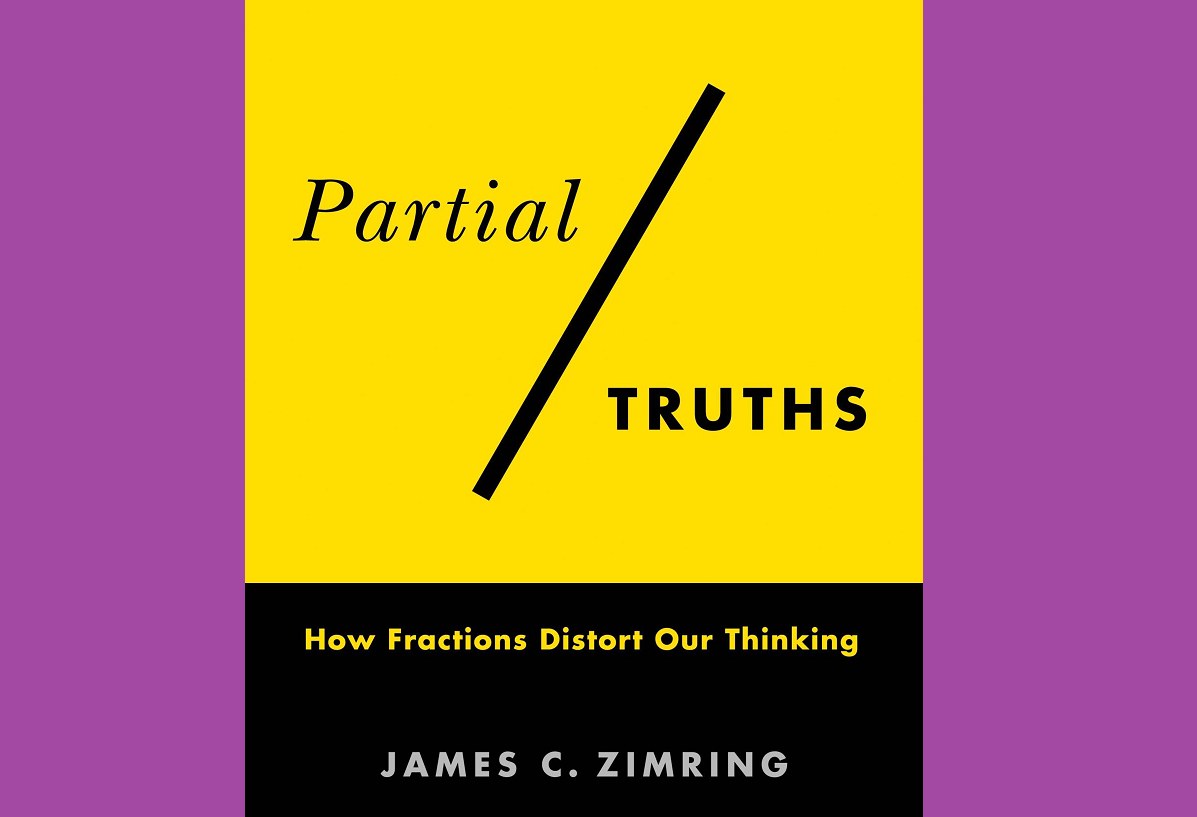
Partial Truths: How Fractions Distort Our Thinking

A fast-food chain once tried to compete with McDonald’s quarter-pounder by introducing a third-pound hamburger—only for it to flop when consumers thought a third-pound was less than a quarter-pound because three is less than four. Separately, a rash of suicides by teenagers who played Dungeons and Dragons caused panic in parents and the media in the U.S. They thought D&D was causing teenage suicides—when in fact teenage D&D players committed suicide at a much lower rate than the national average.

Errors of this type can be found from antiquity to the present, from the Peloponnesian War to the COVID-19 pandemic. How and why do we keep falling into these traps?

In his new book Partial Truths, Dr. James C. Zimring argues that many of the mistakes the human mind consistently makes boil down to misperceiving fractions like percentages, probabilities, frequencies, and rates.  Zimring also explores the counterintuitive reason that these flaws might benefit us, demonstrating that individual error can be highly advantageous to problem-solving by groups. Blending key scientific research in cognitive psychology with accessible real-life examples, Partial Truths helps readers spot the fallacies lurking in everyday information.

James C. Zimring has a Ph.D. in immunology and an M.D., both awarded from Emory University.  He is board certified in Clinical Pathology, a diplomate of the American Board of Pathology, and an elected member of the American Society of Clinical Investigation. He currently holds the Thomas W. Tillack chair in experimental pathology at the University of Virginia.  Dr. Zimring has maintained an N.I.H. funded laboratory for over 20 years, has published over 170 research articles, and pursues research in diseases of the blood. His previous book is What Science is and How it Really Works (Cambridge University Press, 2019).

COVID POLICY

Please be vaccinated and don’t forget to bring your mask!

  • Event Date

    Wednesday, March 22, 2023

  • Start Time

    7:00 pm Pacific

  • End Time

    8:30 pm Pacific

  • Tickets

    Door

    General Admission: $25

    get tickets

    Ticket fine print

    We at Science on Tap are committed to offering educational opportunities to adults who want to learn. If the ticket price is a hardship for you, please write to us and we're happy to provide reduced-price tickets to those who request them.

  • Venue

    Alberta Rose Theatre

  • Find this event on

The Mystique of Terroir: Geology and Wine

Rescheduled for March 12th due to winter weather

ter·roir/tɛrˈwɑr;
noun
Definition: the environmental conditions, especially soil and climate, in which grapes are grown and that give a wine its unique flavor and aroma.

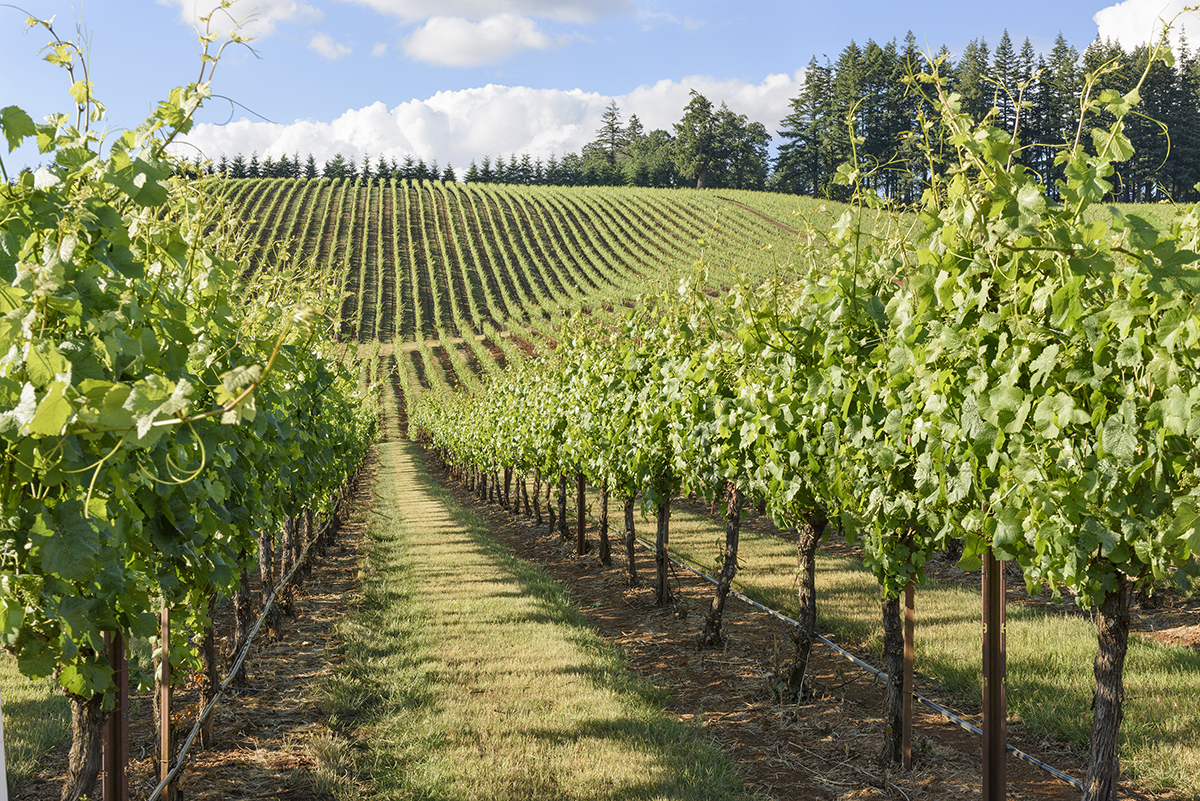
The Willamette Valley has a certain je ne sais quoi, no? What special quality of the region’s terroir yields such exceptional wines? How do the soil, climate, and conditions lend themselves to lovely Pinot Noirs, but not Cabernets or Merlots? How does the region’s geologic past affect where and how to grow grapes? How do Washington and Oregon compare to other wine-growing regions in the United States and other countries around the world?

Join us as Dr. Scott Burns, professor of geology and past chair of the Department of Geology at PSU, and wine enthusiast, tells us about all this and more about what makes a vineyard successful.

COVID POLICY

Please be vaccinated and don’t forget to bring your mask!

  • Event Date

    Sunday, March 12, 2023

  • Doors Open

    6:00 pm

  • Start Time

    7:00 pm Pacific

  • End Time

    8:30 pm Pacific

  • Tickets

    Door

    General Admission: $25

    get tickets

    Ticket fine print

    We at Science on Tap are committed to offering educational opportunities to adults who want to learn. If the ticket price is a hardship for you, please write to us and we're happy to provide reduced-price tickets to those who request them.

  • Venue

    Alberta Rose Theatre

  • Find this event on

The Science of Adult Attachment: Understanding our Patterns in Relationships

We all have an attachment style that impacts how we behave and feel in relationships.  Though attachment styles are formed during childhood, awareness of our attachment style and tendencies can support the development of a healthy relationship through adulthood. 

At this Science on Tap, Leah Haas, a mental health provider and sex educator, will discuss how each attachment style develops and the behaviors associated with them so participants can walk away with ideas to make their relationships more secure and satisfying.  

Leah Haas (she/her) works in mental health as a Licensed Clinical Social Worker (LCSW) specializing in sexuality and gender at Inner Awareness Therapy. She works in youth sexual health for the State of Oregon and is a co-founder of Beyond the Talk which provides sex education to adults. In her free time, Leah loves backpacking, music, and hanging out with her dog Leto.

COVID Policy:

Please be vaccinated and don’t forget to bring your mask!

  • Event Date

    Tuesday, February 7, 2023

  • Start Time

    7:00 pm Pacific

  • End Time

    8:30 pm Pacific

  • Tickets

    Door

    General Admission: $20

    get tickets

    Ticket fine print

    We at Science on Tap are committed to offering educational opportunities to adults who want to learn. If the ticket price is a hardship for you, please write to us and we're happy to provide reduced-price tickets to those who request them.

  • Venue

    Kiggins Theatre
  • Find this event on

How Do Scientists See Black Holes?

Livestream show (rescheduled from the in-person cancellation)!

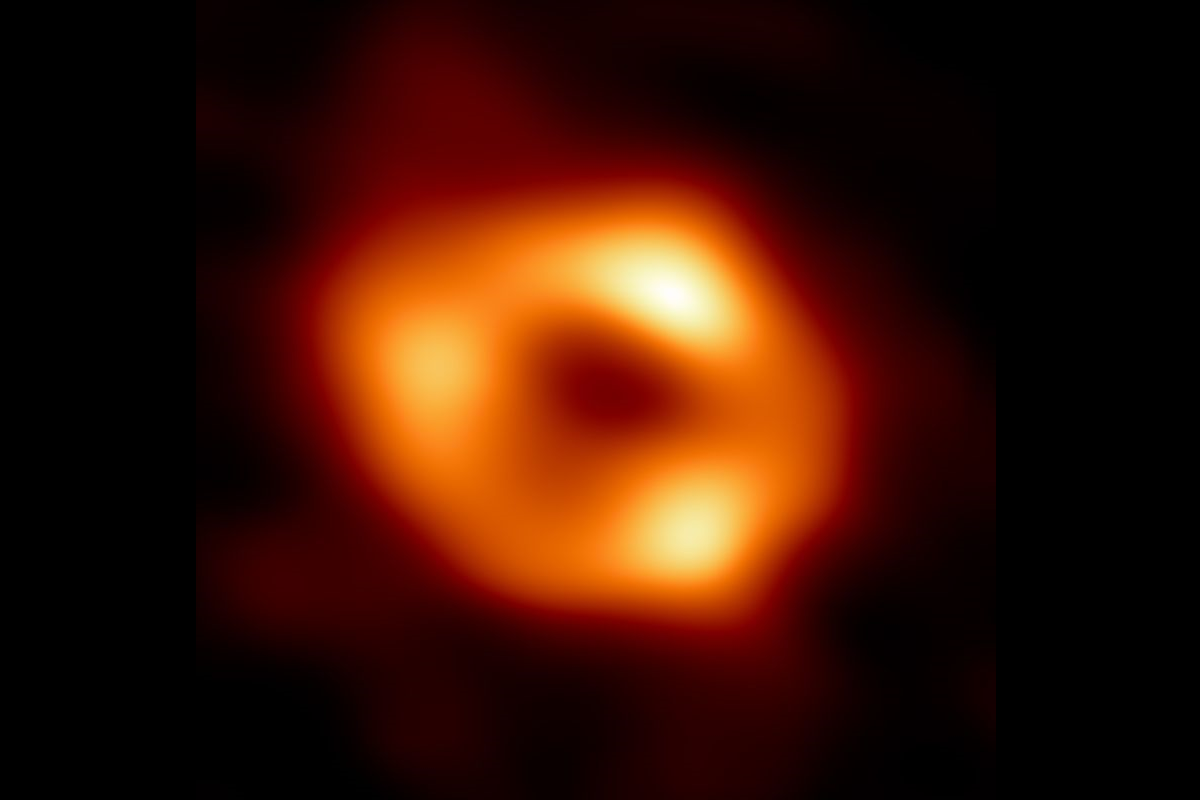
If light can’t escape from black holes, how do we know where they are and what they’re doing? Black holes formed from dying massive stars are the densest things in the universe. They have ten to 100 times the mass of the Sun crammed into a space that is only tens of miles across. There are also supermassive black holes at the centers of most galaxies (including our own Milky Way galaxy), that are millions to billions of times more massive than the Sun.

Black holes get their name because their gravity is so strong that not even light can escape, so they look black to us. However, we still know where lots of them are. Scientists can find and study black holes from the effects they have on the space environment around them. In this talk, astronomer Dr. Abbie Stevens tells us about the ways of finding black holes and learning more about their extreme physics.

Dr. Abbie Stevens is an NSF Astronomy & Astrophysics Postdoctoral Fellow at Michigan State University and the University of Michigan. She studies black holes and neutron stars by looking at X-ray light coming from stars they’re eating. Alongside this research, Abbie is involved in X-ray space telescopes, science advising on creative projects, open-source software development, astronomy data science, science literacy education, and mental health initiatives in academia.

Auto-generated captioning available

  • Event Date

    Thursday, February 16, 2023

  • Start Time

    7:00 pm Pacific

  • End Time

    8:30 pm Pacific

  • Tickets

    Ticket Price: $15 for VIP Supporter
    $5 for General Admission
    FREE tickets also available!

    get tickets
  • Venue

    Online

  • Location

    This event will take place in a Zoom Webinar. Attendees will be able to participate in the chat and submit questions for the live online Q&A with the speaker.

    Attendees will not be visible or audible during the event.

    Register for Zoom event.

  • Available Food & Drink

    Grab an (adult) beverage of your choice and join us!
  • Find this event on

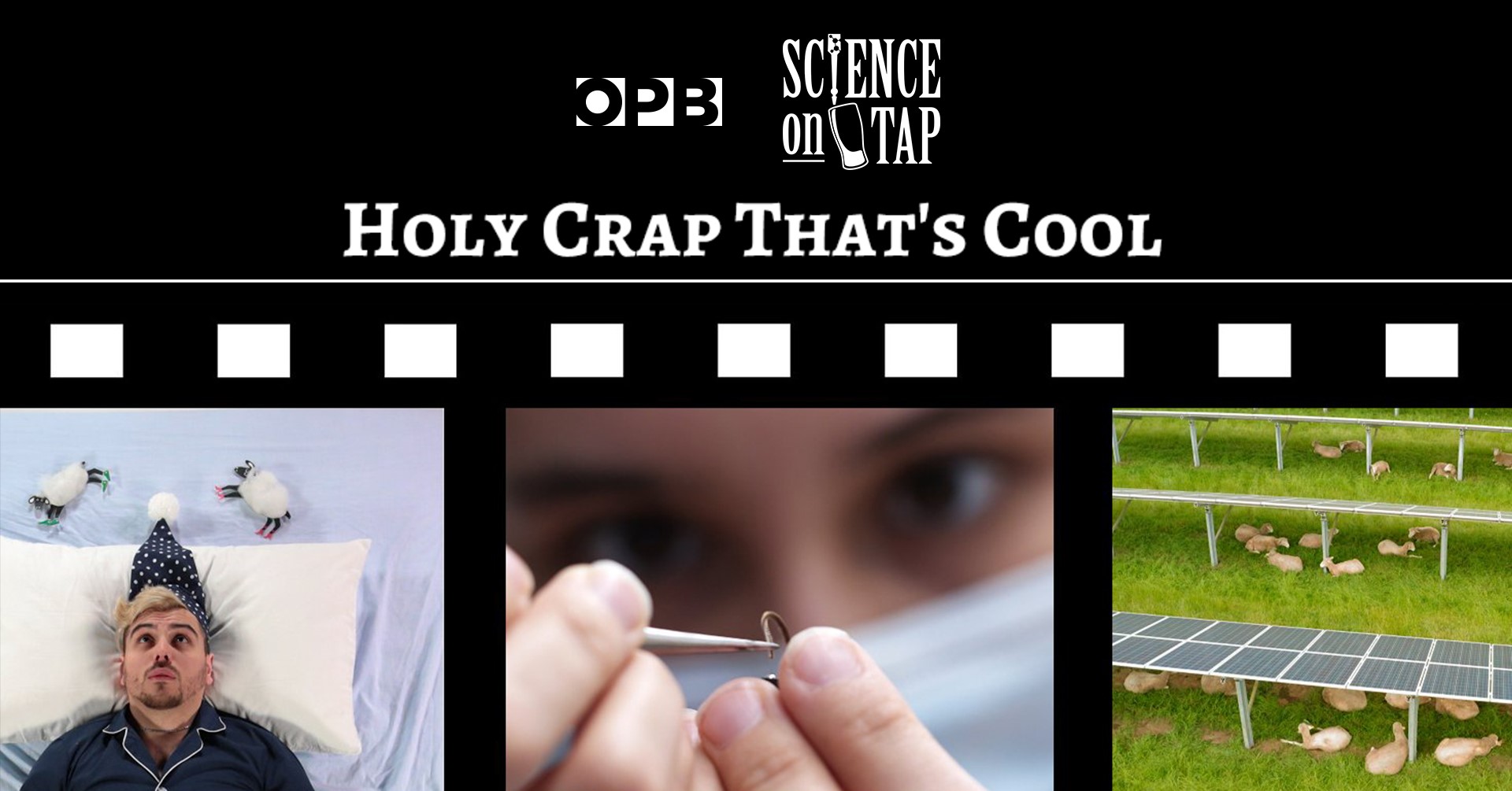
Holy Crap That’s Cool! Behind-the-Scenes of OPB’s “All Science. No Fiction”

Making a video series as fun as “All Science. No Fiction” takes a dash of ingenuity, a splash of whimsy plus a full jigger of “how do we pull this off? Join the stage show as the makers behind OPB’s new science series show you how they stop-motion your sleep cycle, tackle the spirits of the bug-drone and otherwise bring joy to your science-video experience. “All Science. No fiction” launches a new season soon but why wait? They want to hear and share with you now! Expect volunteers from the audience and prizes for participation!

All Science. No Fiction.” uses whimsy, curiosity, and fun to place a spotlight on PNW scientists and the work they’re doing. These stories are about new marvels of technology, cutting-edge solutions and inventions, and grand ideas that pass the HCTC (Holy Crap That’s Cool!) test. How do they pull off all the different things they do on camera to try to get you as excited about science in the Pacific Northwest as they are?

Jes Burns and Brandon Swanson are the production team behind “All Science. No Fiction.”  Jes is a science reporter and producer for OPB’s Science & Environment unit. Brandon is a videographer and editor, working on OPB shows like Oregon Field Guide. They’ve worked in some places, won some awards, and really dig scientists and making videos about their work.

In-person show only. This show is a repeat (though with some add-ons!) from the Alberta Rose show in September 2021.

COVID POLICY

Verbal vaccine confirmation required; masks encouraged.

  • Event Date

    Thursday, January 26, 2023

  • Doors Open

    6:00 pm

  • Start Time

    7:00 pm Pacific

  • End Time

    8:30 pm Pacific

  • Tickets

    Door

    General Admission: $20

    get tickets

    Ticket fine print

    We at Science on Tap are committed to offering educational opportunities to adults who want to learn. If the ticket price is a hardship for you, please write to us and we're happy to provide reduced-price tickets to those who request them.

  • Venue

    Kiggins Theatre
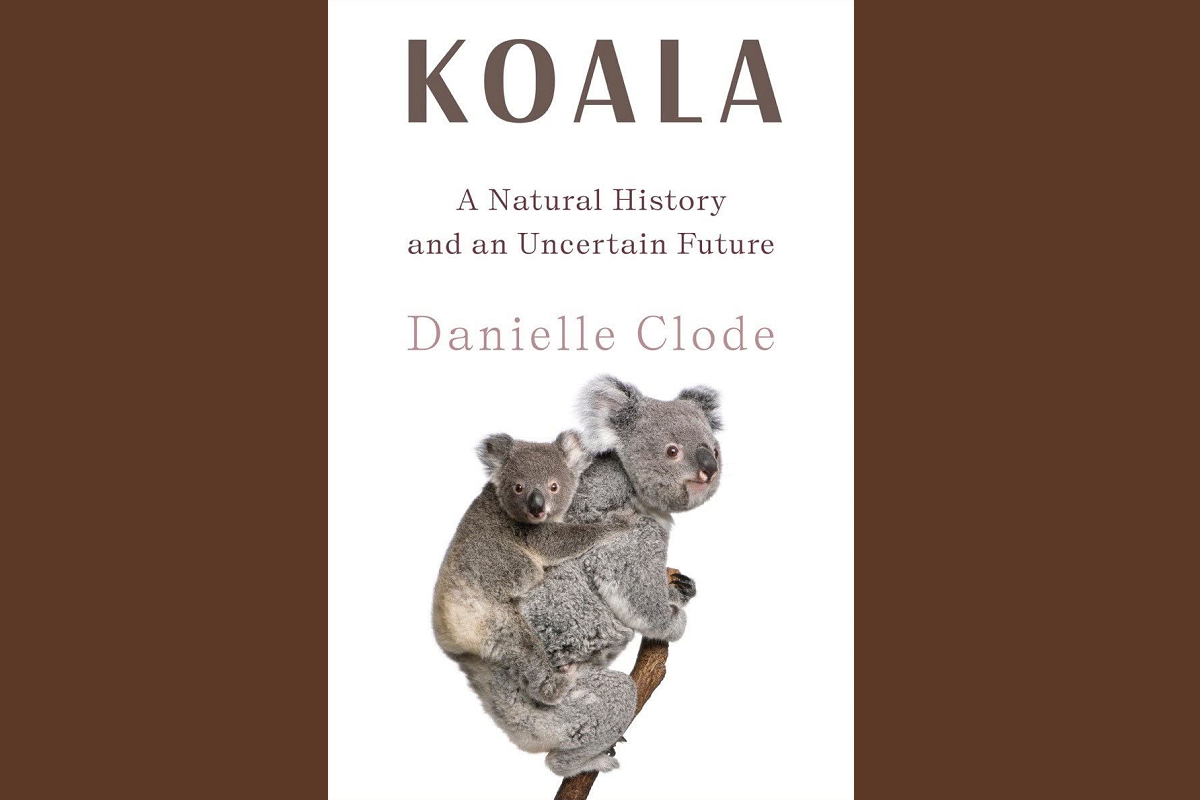
Koala: A Natural History and an Uncertain Future

From their ancient ancestors, to their relationship with humans (it’s complicated), to their current threats, this Science on Tap investigates the remarkable koala.

Despite their iconic status and celebrity, koalas remain something of a mystery. Often affectionate in captivity, they seek out human assistance when in need of water or care yet can also be fierce and belligerent. They are beloved worldwide and feature in popular children’s stories, but are also plagued by sexually transmitted diseases and maligned for a lack of intelligence. Their diet consists solely of leaves that are full of toxins. In some states they are threatened with extinction, while in others they are dying from overpopulation.

In Koala: A Natural History and an Uncertain Future, Australian author and biologist Danielle Clode delves into the world of koalas to discover what’s behind the sweet face on thousands of postcards. From their megafaunal ancestors to the disastrous effects of colonization, from remarkable conservation success in the 1920s to the devastating bushfires of 2019-2020, Clode tells the story of koalas and their complex relationship with humans. Sharing the latest scientific insights and myth-busting facts, all woven through Clode’s award-winning storytelling, Koala takes readers up into the trees to reveal the truth about this extraordinary animal and what must be done to ensure its survival.

Preorder your copy (out January 2023) today!

(Auto-generated captioning available)

  • Event Date

    Tuesday, January 17, 2023

  • Start Time

    7:00 pm Pacific

  • End Time

    8:30 pm Pacific

  • Tickets

    Ticket Price: $15 for VIP Supporter
    $5 for General Admission
    FREE tickets also available!

    get tickets
  • Venue

    Online

  • Location

    This event will take place in a Zoom Webinar. Attendees will be able to participate in the chat and submit questions for the live online Q&A with the speaker.

    Attendees will not be visible or audible during the event.

    Register for Zoom event.

  • Available Food & Drink

    Grab an (adult) beverage of your choice and join us!
  • Find this event on

Your Brain on Pleasure and In Love: A Discussion and Concert

Listening to beautiful music, falling in love, and eating really good chocolate create intense feelings of pleasure – but why? Diving into exciting new research – including what happens to the brain when love goes awry – and what we can learn from the monogamous prairie vole, this show mixes music, humor, and neuroscience for an unforgettable, educational evening.

At this special musical Science on Tap, OHSU neuroscientist Larry Sherman, Ph.D. will be joined by singer/songwriter Naomi LaViolette to present a fascinating multi-media discussion and concert on how the brain experiences pleasure. Join us for this immersive musical experience!

Dr. Larry Sherman is a neuroscientist at OHSU researching neurodegenerative conditions and diseases. He is also president of the Society for Neuroscience chapter in Oregon and Southwest Washington. He is joined by singer, songwriter, and pianist Naomi LaViolette.

COVID POLICY

Vaccine cards required and checked at entry. Masks are recommended.

  • Event Date

    Wednesday, November 16, 2022

  • Start Time

    7:00 pm Pacific

  • End Time

    8:30 am Pacific

  • Tickets

    Door

    General Admission: $25

    get tickets

    Ticket fine print

    We at Science on Tap are committed to offering educational opportunities to adults who want to learn. If the ticket price is a hardship for you, please write to us and we're happy to provide reduced-price tickets to those who request them.

  • Venue

    Aladdin Theater

Making Memories: Using Neuroscience to Enhance Teaching and Learning

This event is in person at Kiggins Theatre – not livestreamed this time around.
How does your brain learn best? As the field of neuroscience uncovers the neural mechanisms of perception and learning, can we begin to bring these findings into the classroom to help improve how students learn?

Back by popular demand, this hilarious Science on Tap will discuss the brain’s learning networks, emotional connections and how the visual and motor pathways influence what we process. Join us as Dr. Mark Pitzer demonstrates of how each brain circuit can be recruited by instructors to improve teaching/learning in and out of the classroom and how neuroscience can make learning truly memorable. 

Mark Pitzer, Ph.D. is a neuroscientist at the University of Portland. For the last 25 years he has worked to better understand diseases of the brain. He has worked on techniques to improve the survival of newly transplanted brain cells as a treatment for Parkinson’s disease and, more recently, conducted experiments using a genetic technique to halt the production of toxic proteins in the brain as a potential treatment for Huntington’s disease. Currently, his lab is conducting experiments designed to identify the neural circuits and neurotransmitters that play a role in the personality changes that affect those who suffer from Huntington’s disease. Mark is also an award-winning teacher that uses the findings from the fields of learning and neuroscience to invoke enduring enthusiasm, curiosity and deep learning in his college students.

COVID POLICY

Vaccine cards required and checked at entry. Masks are recommended (and subject to be required following any County mandate changes).

  • Event Date

    Thursday, August 25, 2022

  • Start Time

    7:00 pm Pacific

  • End Time

    8:30 pm Pacific

  • Tickets

    Door

    General Admission: $15

    get tickets

    Ticket fine print

    We at Science on Tap are committed to offering educational opportunities to adults who want to learn. If the ticket price is a hardship for you, please write to us and we're happy to provide reduced-price tickets to those who request them.

  • Venue

    Kiggins Theatre
  • Find this event on

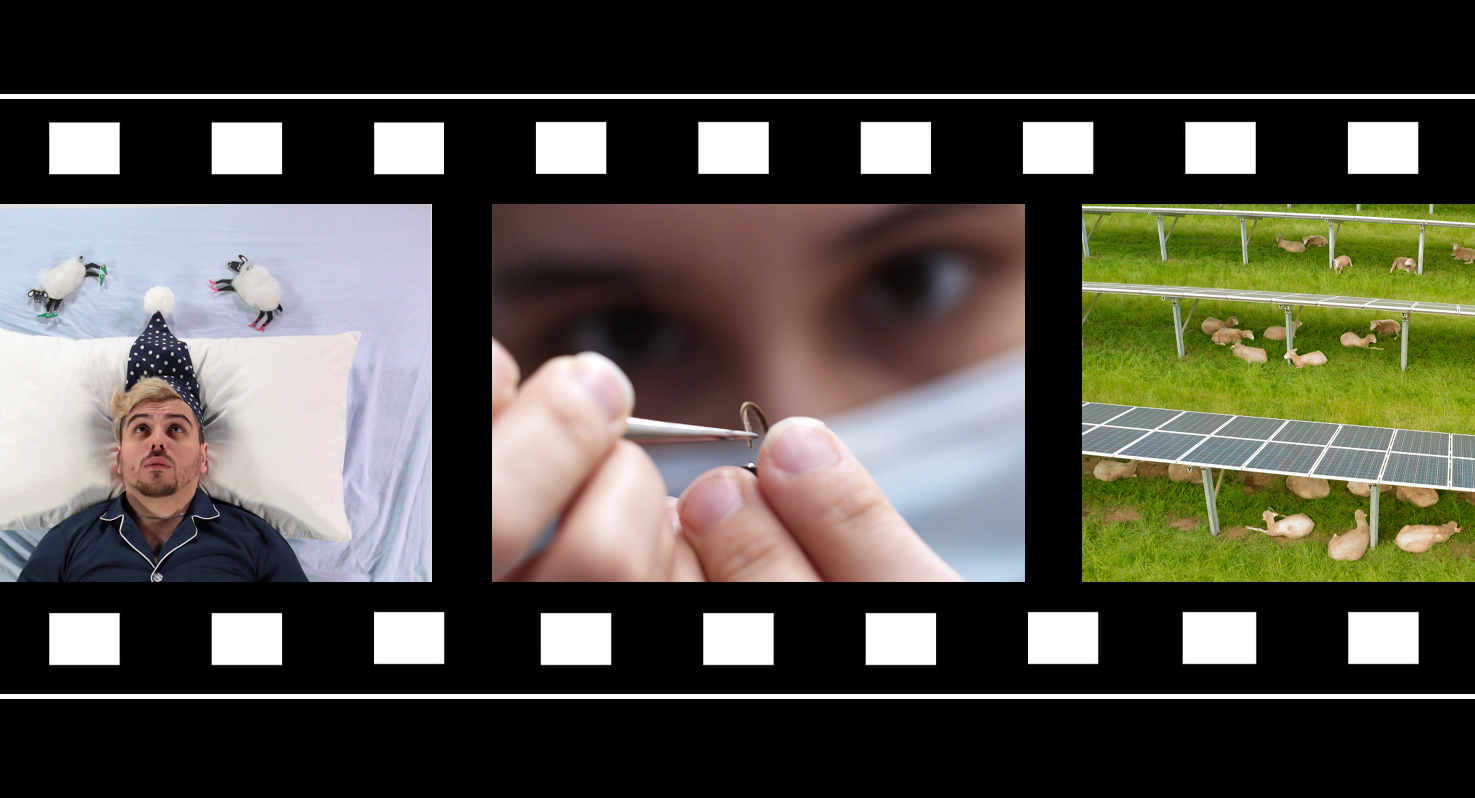
How’d They Film That? Behind-the-Scenes of Science Communication at OPB

This event will be IN PERSON at the Alberta Rose Theatre and also ONLINE ($15)

Scientists often work for decades to unlock the mysteries of our world and make our lives better. But when you’re trying to explain that amazing work to a wider audience, you’re lucky to have about 10 minutes (unless you’re Science on Tap, of course). At this very special Science on Tap, a behind-the-scenes look at how the folks behind the new OPB show “All Science. No Fiction.” communicate science.  How do they pull off all the different things they do on camera to try to get you as excited about science in the Pacific Northwest as they are? 

All Science. No Fiction.” uses whimsy, curiosity, and fun to place a spotlight on PNW scientists and the work they’re doing. These stories are about new marvels of technology, cutting-edge solutions and inventions, and grand ideas that pass the HCTC (Holy Crap That’s Cool!) test.

Jes Burns and Brandon Swanson are the production team behind “All Science. No Fiction.”  Jes is a science reporter and producer for OPB’s Science & Environment unit. Brandon is a videographer and editor, working on OPB shows like Oregon Field Guide. They’ve worked in some places, won some awards, and really dig scientists and making videos about their work.

COVID POLICY

Vaccine cards required and checked at entry. Masks are recommended (and subject to be required following any County mandate changes).

Photos by Brandon Swanson

  • Event Date

    Thursday, September 1, 2022

  • Start Time

    7:00 pm Pacific

  • End Time

    8:30 pm Pacific

  • Tickets

    Door

    General Admission: $25

    get tickets

    Ticket fine print

    We at Science on Tap are committed to offering educational opportunities to adults who want to learn. If the ticket price is a hardship for you, please write to us and we're happy to provide reduced-price tickets to those who request them.


    Join our Patreon or make a one-time donation to support our efforts!

    Support Us
  • Venue

    Alberta Rose Theatre

Lava, Mudflows and Ash: Volcanoes in the Pacific Northwest

The Cascades Range is home to many volcanoes, but how active and dangerous are they? What are the greatest hazards from volcanoes in the Pacific Northwest, who monitors them, and how?  

At this Science on Tap, Jon Major explores volcanic processes associated with volcanic eruptions and their aftermath, provides insights on the greatest threats posed by the Cascades volcanoes, and reveals how our regional volcanoes are monitored and why. The great 1980 eruption of Mount St. Helens fundamentally changed how scientists viewed volcanic eruptions. The four decades since have seen significant advancements in our understanding of volcanic histories, processes, hazards, monitoring capabilities, and the role that scientists have in communicating with governmental agencies and the public.

Jon Major is the Scientist-in-Charge at the US Geological Survey Cascades Volcano Observatory in Vancouver, Washington. He has worked at volcanoes in Washington, Oregon, Alaska, El Salvador, Chile, and the Philippines. He has been working at Mount St. Helens since 1981, and has been with the Cascades Volcano Observatory since 1983.

This event will be in person only, as we do not have the equipment for hybrid shows at this theater at this time.

COVID POLICY

Vaccine cards required and checked at entry. Masks are recommended.

  • Event Date

    Wednesday, September 21, 2022

  • Doors Open

    6:00 pm

  • Start Time

    7:00 pm Pacific

  • End Time

    8:30 pm Pacific

  • Tickets

    Door

    General Admission: $15

    get tickets

    Ticket fine print

    We at Science on Tap are committed to offering educational opportunities to adults who want to learn. If the ticket price is a hardship for you, please write to us and we're happy to provide reduced-price tickets to those who request them.

  • Venue

    Kiggins Theatre

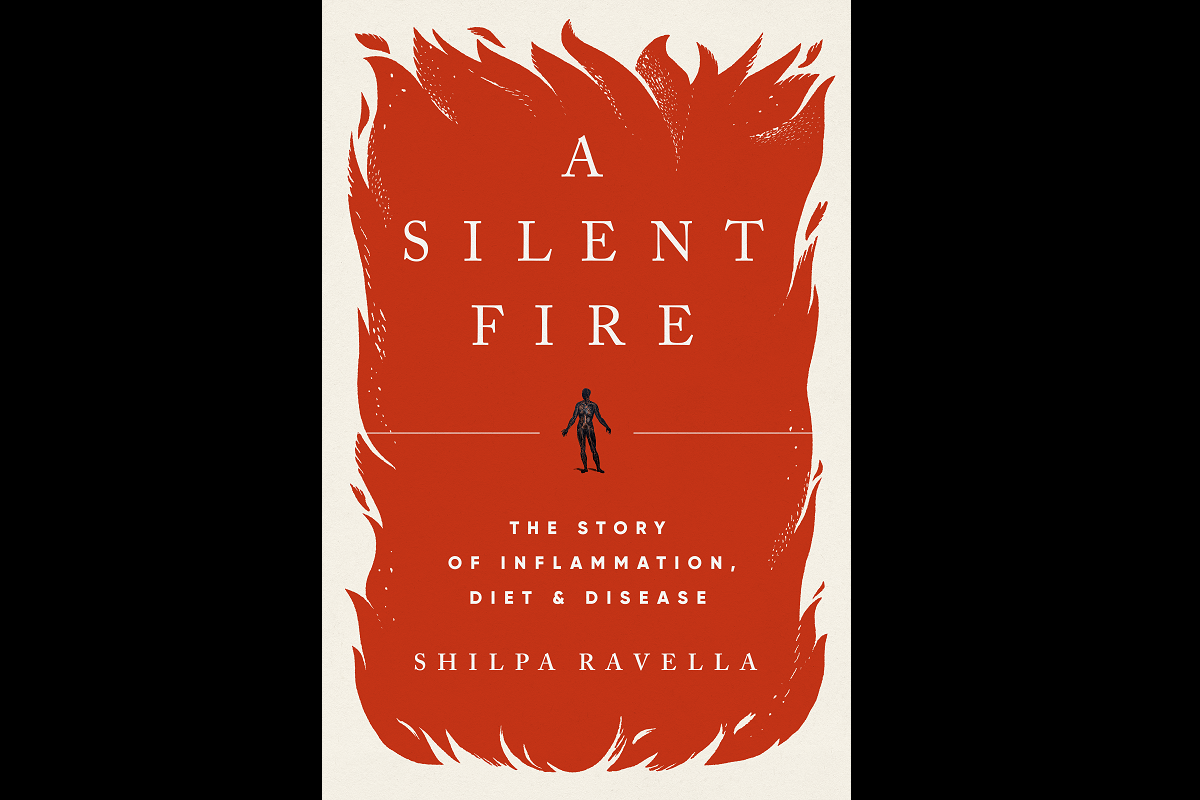
A Silent Fire: The Story of Inflammation, Diet, and Disease

A riveting investigation of inflammation—the hidden force at the heart of modern disease—and how we can prevent, treat, or even reverse it.

Inflammation is the body’s ancestral response to injury and foreign pathogens. But as the threats we face have evolved, new science is uncovering how inflammation may also turn against us, simmering underneath the surface of leading killers from heart disease and cancer to depression, aging, and mysterious autoimmune conditions.

In A Silent Fire, gastroenterologist Shilpa Ravella investigates hidden inflammation’s emerging role as a common root of modern disease — and how we can control it. With fascinating case studies, Ravella reveals how we can reform our relationships with food and our microbiomes to benefit our own health and the planet’s.

Shilpa Ravella is a transplant gastroenterologist with expertise in nutrition and an Assistant Professor of Medicine at Columbia University Medical Center. Her writing has appeared in The Atlantic, New York Magazine, Slate, among others.

(Auto-generated captioning available)

  • Event Date

    Wednesday, October 12, 2022

  • Start Time

    7:00 pm Pacific

  • End Time

    8:30 pm Pacific

  • Tickets

    Ticket Price: $15 for VIP Supporter
    $5 for General Admission
    FREE tickets also available!

    get tickets
  • Venue

    Online

  • Location

    This event will take place in a Zoom Webinar. Attendees will be able to participate in the chat and submit questions for the live online Q&A with the speaker.

    Attendees will not be visible or audible during the event.

    Register for Zoom event.

  • Available Food & Drink

    Grab an (adult) beverage of your choice and join us!

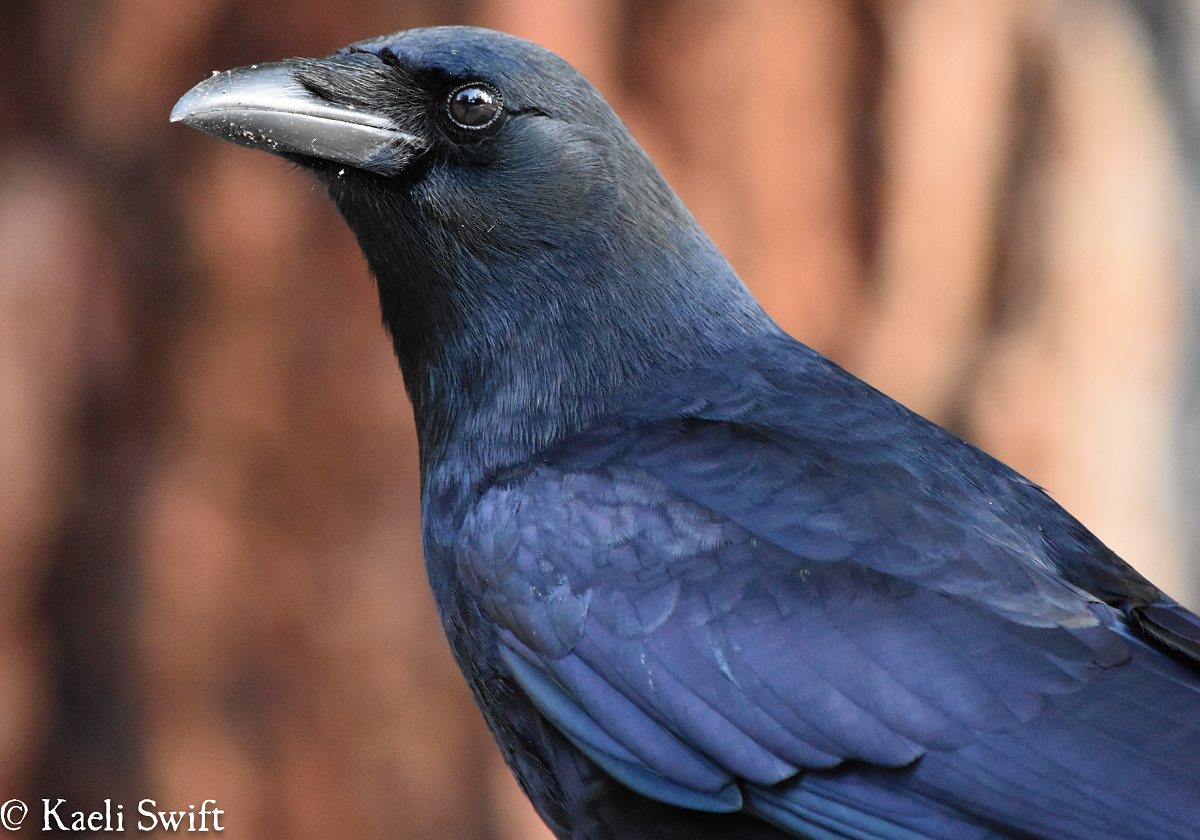
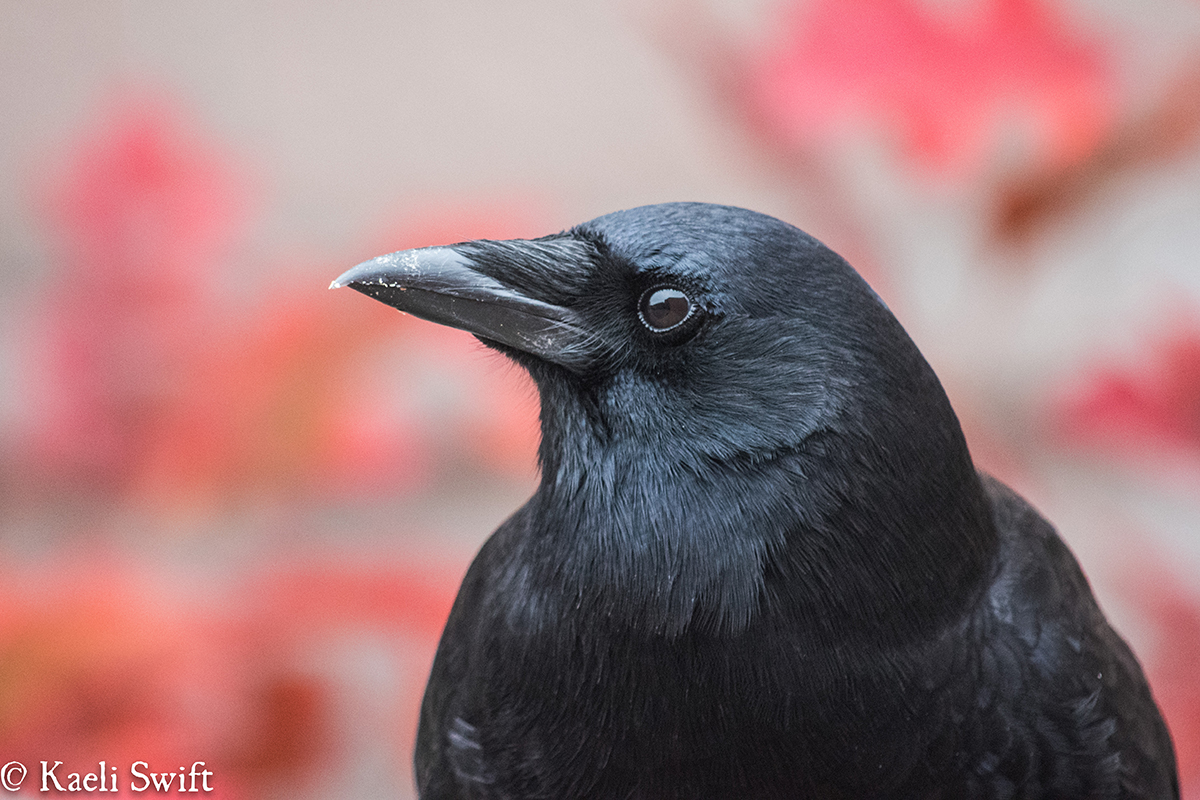
As The Crow Flies Part III: Behavior and Cultural Coevolution with People

Crows are everywhere: they are found on nearly every continent and thrive in human dominated environments. They have influenced art and literature throughout history, and whether they inspire love or hate, they have certainly impacted the hearts and minds of the humans who share their space. Because crows are so common, it may be easy to overlook the fact that they are very intelligent and have complex behaviors and social structures.

In this sequel to her two of her extremely popular talks on corvid behavior, Dr. Kaeli Swift will continue her exploration of the corvid brain behavior to include areas of research on how crows have co-evolved with people and how this is reflected in their behavior and ours. She’ll touch on mythology, commonly asked questions about crow human interactions/conflicts, and new research. 

Kaeli Swift, PhD, is an avian behavioral ecologist who has spent the past decade working with corvids including American crows and Canada jays. She will introduce and explain to us the world of these fascinating birds and why they make such an impact on our lives. You can find Dr. Swift on Twitter and Instagram @corvidresearch where she talks about crows, corvids, and other wildlife and plays a weekly game called #CrowOrNo to help people learn how to correctly ID and distinguish different kinds of corvids.

(Auto-generated captioning available)

  • Event Date

    Wednesday, August 10, 2022

  • Start Time

    7:00 pm Pacific

  • End Time

    8:30 pm Pacific

  • Tickets

    Ticket Price: $15 for VIP Supporter
    $5 for General Admission
    FREE tickets also available!

    get tickets
  • Venue

    Online

  • Location

    This event will take place in a Zoom Webinar. Attendees will be able to participate in the chat and submit questions for the live online Q&A with the speaker.

    Attendees will not be visible or audible during the event.

    Register for Zoom event.

  • Available Food & Drink

    Grab an (adult) beverage of your choice and join us!

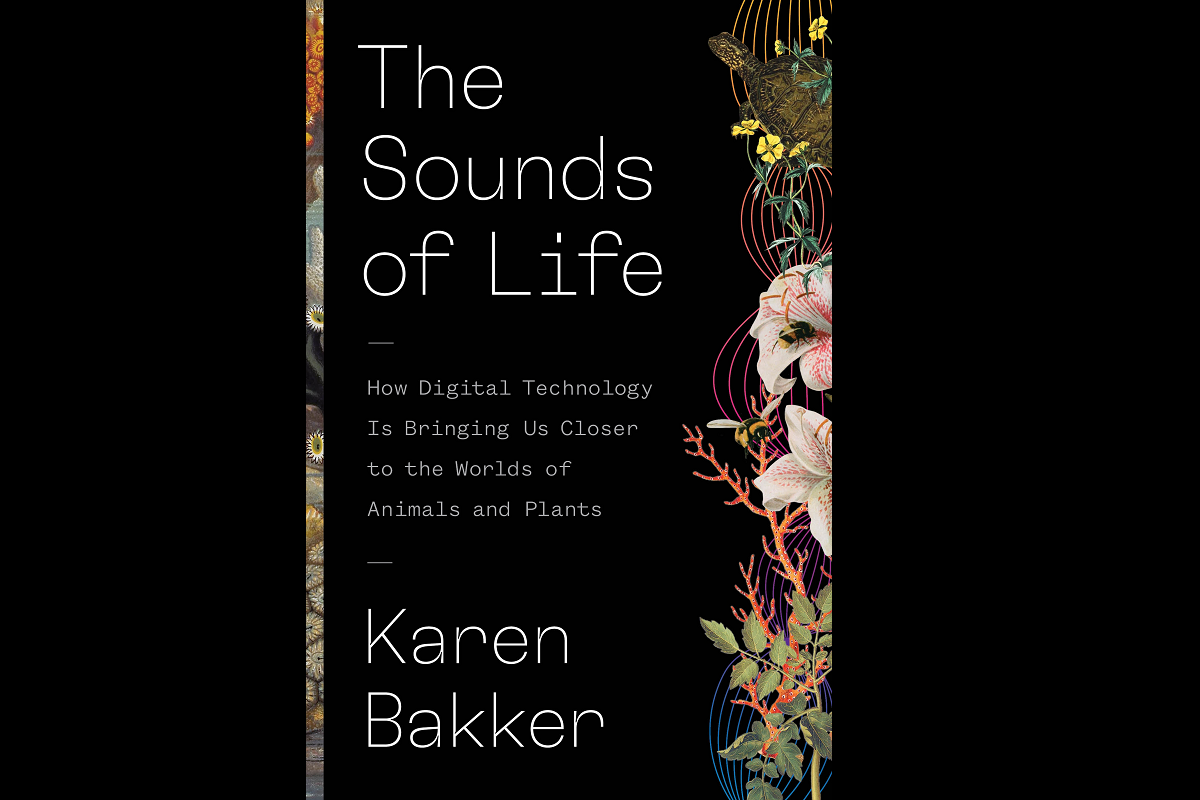
The Sounds of Life: How Digital Technology Is Bringing Us Closer to the Worlds of Animals and Plants

This event will be IN PERSON at the Alberta Rose Theatre and also ONLINE ($15)
Technology often distracts us from nature, but what if it could reconnect us instead? In The Sounds of Life political ecologist Karen Bakker shares fascinating and surprising stories of nonhuman sound, interweaving insights from technological innovation and traditional knowledge. 

We meet scientists using sound to protect and regenerate endangered species from the Great Barrier Reef to the Arctic and the Amazon. We discover the shocking impacts of noise pollution on both animals and plants. We learn how artificial intelligence can decode nonhuman sounds, and meet the researchers building dictionaries in East African Elephant and Sperm Whalish.

At once meditative and scientific, The Sounds of Life offers hope for environmental conservation and affirms humanity’s relationship with nature in the digital age.

Karen Bakker is a Professor at the University of British Columbia and, in 2022/23, Martina S. Horner Distinguished Visiting Professor and Fellow of the Harvard Radcliffe Institute for Advanced Studies. Her Smart Earth project explores the relationship between digital innovation and environmental sustainability, including research at the frontier of digital bioacoustics, featured in her new book The Sounds of Life.

Get 15% off with code SoundsOfLife15 at Broadway Books!

COVID POLICY

Vaccine cards required and checked at entry. Masks are recommended (and subject to be required following any County mandate changes).

  • Event Date

    Wednesday, October 26, 2022

  • Start Time

    7:00 pm Pacific

  • End Time

    8:30 pm Pacific

  • Tickets

    Door

    General Admission: $25

    get tickets

    Ticket fine print

    We at Science on Tap are committed to offering educational opportunities to adults who want to learn. If the ticket price is a hardship for you, please write to us and we're happy to provide reduced-price tickets to those who request them.


    Join our Patreon or make a one-time donation to support our efforts!

    Support Us
  • Venue

    Alberta Rose Theatre
Making Memories: Using Neuroscience to Enhance Teaching and Learning

This event will be IN PERSON at the Alberta Rose Theatre and also ONLINE ($15)
How does your brain learn best? As the field of neuroscience uncovers the neural mechanisms of perception and learning, can we begin to bring these findings into the classroom to help improve how students learn?

Back by popular demand, this hilarious Science on Tap will discuss the brain’s learning networks, emotional connections and how the visual and motor pathways influence what we process. Join us as Dr. Mark Pitzer demonstrates of how each brain circuit can be recruited by instructors to improve teaching/learning in and out of the classroom and how neuroscience can make learning truly memorable. 

Mark Pitzer, Ph.D. is a neuroscientist at the University of Portland. For the last 25 years he has worked to better understand diseases of the brain. He has worked on techniques to improve the survival of newly transplanted brain cells as a treatment for Parkinson’s disease and, more recently, conducted experiments using a genetic technique to halt the production of toxic proteins in the brain as a potential treatment for Huntington’s disease. Currently, his lab is conducting experiments designed to identify the neural circuits and neurotransmitters that play a role in the personality changes that affect those who suffer from Huntington’s disease. Mark is also an award-winning teacher that uses the findings from the fields of learning and neuroscience to invoke enduring enthusiasm, curiosity and deep learning in his college students.

COVID POLICY

Vaccine cards required and checked at entry. Masks are recommended (and subject to be required following any County mandate changes).

  • Event Date

    Thursday, June 23, 2022

  • Start Time

    7:00 pm Pacific

  • End Time

    8:30 pm Pacific

  • Tickets

    Door

    General Admission: $25

    get tickets

    Ticket fine print

    We at Science on Tap are committed to offering educational opportunities to adults who want to learn. If the ticket price is a hardship for you, please write to us and we're happy to provide reduced-price tickets to those who request them.

  • Available Food & Drink

    Hand pies & pizza rolls, snacks, sweets, with a a full bar and a great selection non-alcoholic drinks, coffee and tea.
  • Accessibility Information

    Vaccine cards required at Science on Tap events. Masks are highly recommended, but not required. Visit the Alberta Rose COVID safety policies page for more information.

    There are no stairs to enter the theater. There is ramp down to seating area and wheelchair space in the front.
  • Find this event on

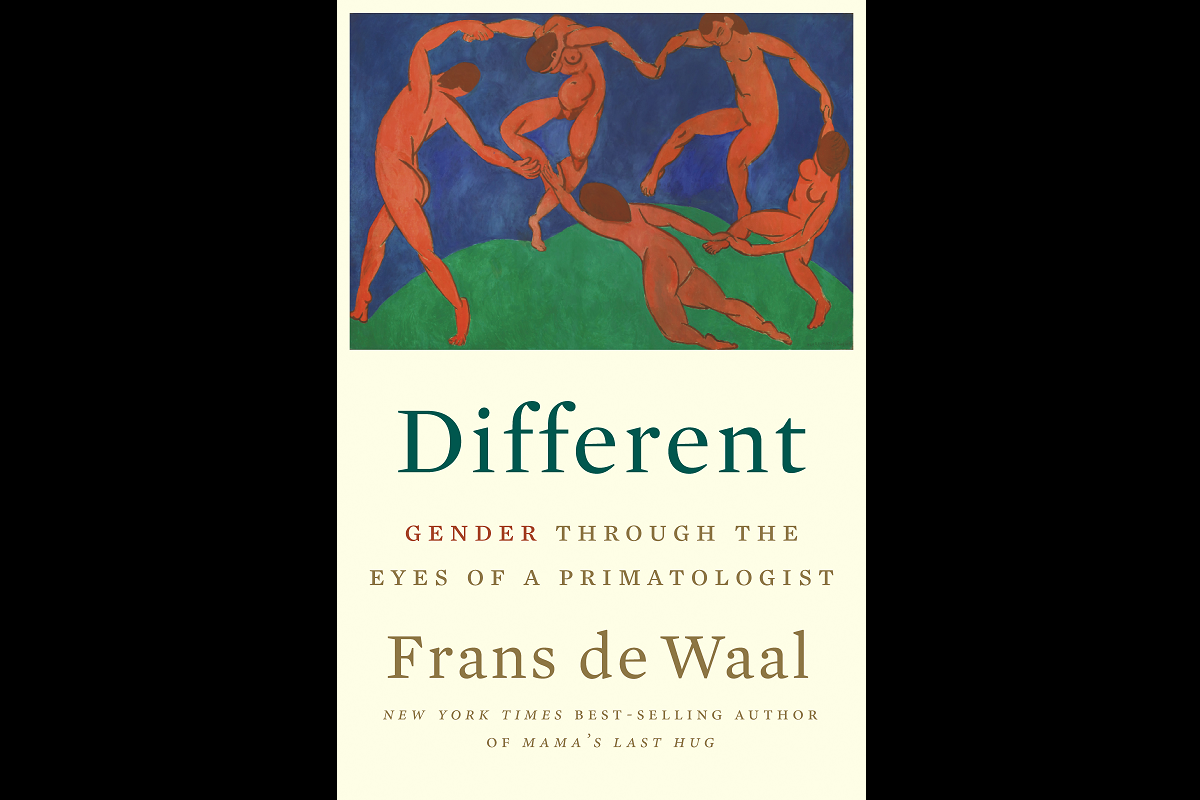
Different: Gender Through the Eyes of a Primatologist

This event will be IN PERSON at the Alberta Rose Theatre and also ONLINE ($15)
TICKETS HERE: Visit this link for both in-person and online tickets.

How different are men and women? Are differences due to biological sex or to culture? How do they compare with what is known about our fellow primates? Do apes also culturally learn their sex roles or is “gender” uniquely human?

In Different: Gender Through the Eyes of a Primatologist, world-renowned primatologist Frans de Waal draws on decades of observation and studies of both human and animal behavior to argue that despite the linkage between gender and biological sex, biology does not automatically support the traditional gender roles that exist in human societies. It certainly doesn’t justify the gender inequalities in those societies.

Using chimpanzees and bonobos to illustrate this point, de Waal challenges widely held beliefs about masculinity and femininity, and common assumptions about authority, leadership, cooperation, competition, filial bonds, and sexual behavior. He discusses sexual orientation, gender identity, and the limitations of the gender binary, exceptions to which are also found in other primates.

With humor, clarity, and compassion, Different seeks to broaden the conversation about human gender dynamics by promoting an inclusive model that embraces differences, rather than negating them.

Frans de Waal, author of Mama’s Last Hug, is C. H. Candler Professor Emeritus of Primate Behavior at Emory University and the former director of the Living Links Center at the Yerkes National Primate Research Center.

  • Event Date

    Friday, April 8, 2022

  • Doors Open

    6:00 pm

  • Start Time

    7:00 pm Pacific

  • End Time

    8:30 pm Pacific

  • Tickets

    Door

    General Admission: $25

    get tickets

    Ticket fine print

    We at Science on Tap are committed to offering educational opportunities to adults who want to learn. If the ticket price is a hardship for you, please write to us and we're happy to provide reduced-price tickets to those who request them.


    Join our Patreon or make a one-time donation to support our efforts!

    Support Us
  • Available Food & Drink

    Hand pies & pizza rolls, snacks, sweets, with a a full bar and a great selection non-alcoholic drinks, coffee and tea.
  • Accessibility Information

    Vaccine cards required at Science on Tap events. Masks are highly recommended, but not required. Visit the Alberta Rose COVID safety policies page for more information.

    There are no stairs to enter the theater. There is ramp down to seating area and wheelchair space in the front.
  • Find this event on

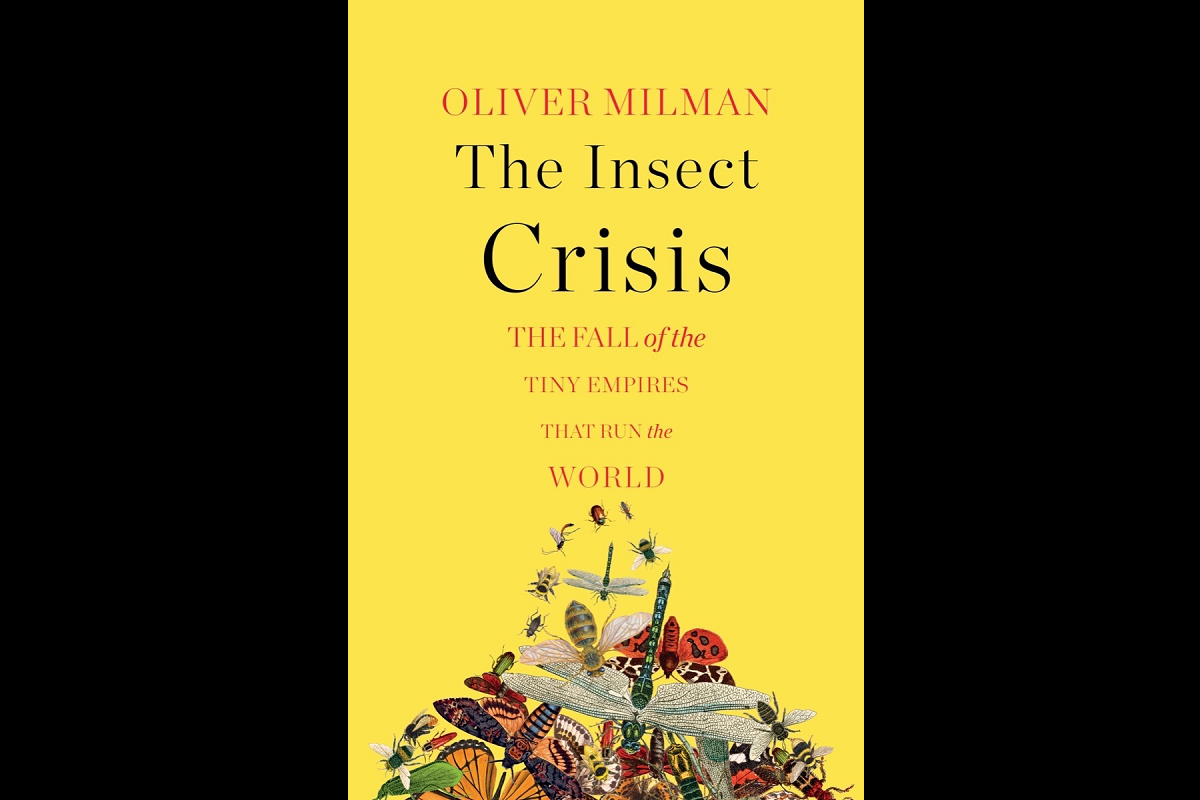
The Insect Crisis: The Fall of the Tiny Empires That Run the World

What is causing the collapse of the insect world?  Why does this alarming decline pose such a threat to us? And what can be done to stem the loss of the miniature empires that hold aloft life as we know it?

From ants scurrying under leaf litter to bees able to fly higher than Mount Kilimanjaro, insects are everywhere. Three out of every four of our planet’s known animal species are insects. In The Insect Crisis, acclaimed journalist Oliver Milman dives into the torrent of recent evidence that suggests this kaleidoscopic group of creatures is suffering the greatest existential crisis in its remarkable 400-million-year history.

At this Science on Tap, Milman explores this hidden emergency, arguing that its consequences could even rival climate change. He joins the scientists tracking the decline of insect populations across the globe, including the soaring mountains of Mexico that host an epic, yet dwindling, migration of monarch butterflies; the verdant countryside of England that has been emptied of insect life; the gargantuan fields of U.S. agriculture that have proved a killing ground for bees; and an offbeat experiment in Denmark that shows there aren’t that many bugs splattering into your car windshield these days. Part warning, part celebration of the incredible variety of insects, The Insect Crisis is a wake-up call for us all.

(Auto-generated captioning available)

Oliver Milman is a British journalist and the environment correspondent at the Guardian.

  • Event Date

    Tuesday, March 8, 2022

  • Start Time

    7:00 pm Pacific

  • End Time

    8:30 pm Pacific

  • Tickets

    Ticket Price: $15 for VIP Supporter
    $5 for General Admission
    FREE tickets also available!

    get tickets
  • Venue

    Online

  • Location

    This event will take place in a Zoom Webinar. Attendees will be able to participate in the chat and submit questions for the live online Q&A with the speaker.

    Attendees will not be visible or audible during the event.

    Register for Zoom event.

  • Available Food & Drink

    Grab an (adult) beverage of your choice and join us!

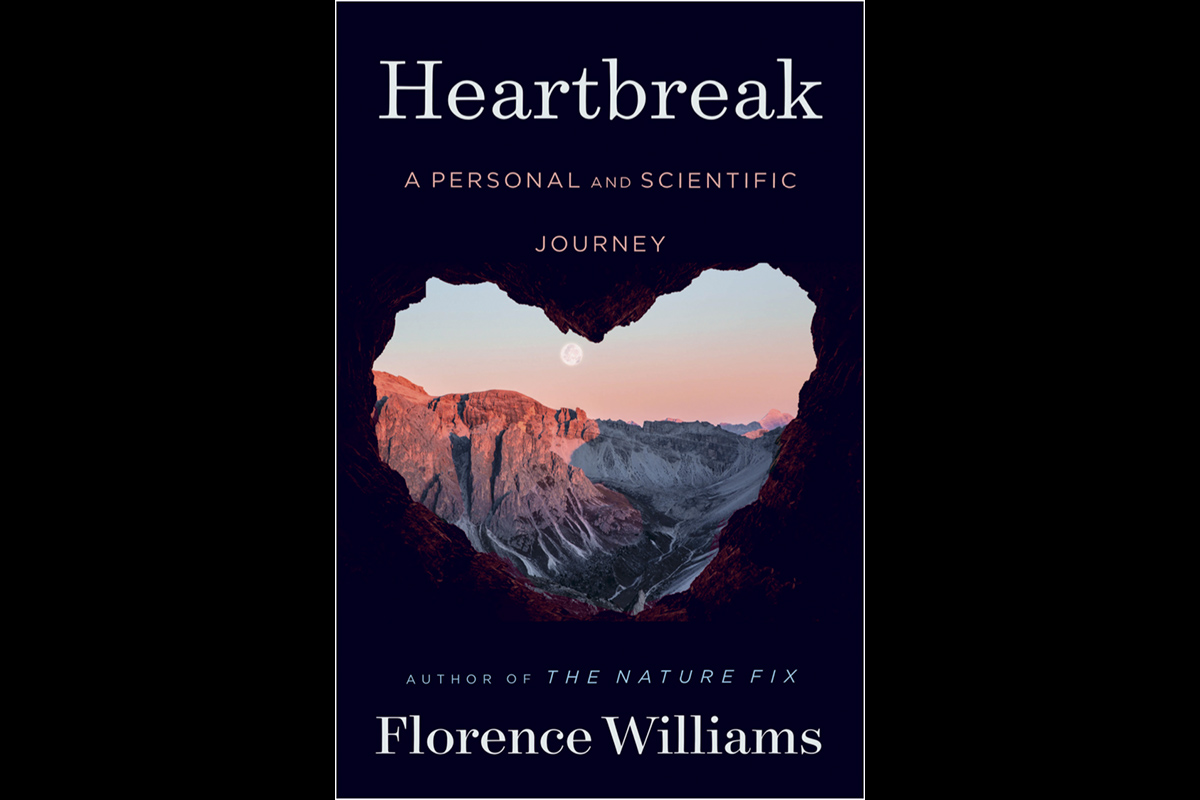
Heartbreak: A Personal and Scientific Journey

Florence Williams explores the fascinating, cutting-edge science of heartbreak while seeking creative ways to mend her own.

When her twenty-five-year marriage unexpectedly falls apart, journalist Florence Williams expects the loss to hurt. What she doesn’t expect is that she’ll end up in the hospital, examining close-up the way our cells listen to loneliness. She travels to the frontiers of the science of “social pain” to learn why heartbreak hurts so much and why so much of the conventional wisdom about it is wrong.

Searching for insight as well as personal strategies to game her way back to health, Williams tests her blood for genetic markers of grief, undergoes electrical shocks in a laboratory while looking at pictures of her ex, and ventures to the wilderness in search of awe as an antidote to loneliness. Her newest book, Heartbreak: A Personal and Scientific Journey, is a remarkable merging of science and self-discovery that will change the way we think about loneliness, health, and what it means to fall in and out of love.

(Auto-generated captioning available)

Florence Williams is the author of Breasts: A Natural and Unnatural History, winner of the Los Angeles Times Book Prize, and The Nature Fix: Why Nature Makes us Happier, Healthier, and More Creative. A contributing editor at Outside Magazine, her writing has appeared in the New York Times, National Geographic, and many other outlets.

Listen to our podcast episode of Florence’s talk about her book The Nature Fix recorded in March 2018!

  • Event Date

    Thursday, February 3, 2022

  • Start Time

    7:00 pm Pacific

  • End Time

    8:30 pm Pacific

  • Tickets

    Ticket Price: $15 for VIP Supporter
    $5 for General Admission
    FREE tickets also available!

    get tickets
  • Venue

    Online

  • Location

    This event will take place in a Zoom Webinar. Attendees will be able to participate in the chat and submit questions for the live online Q&A with the speaker.

    Attendees will not be visible or audible during the event.

    Register for Zoom event.

  • Available Food & Drink

    Grab an (adult) beverage of your choice and join us!

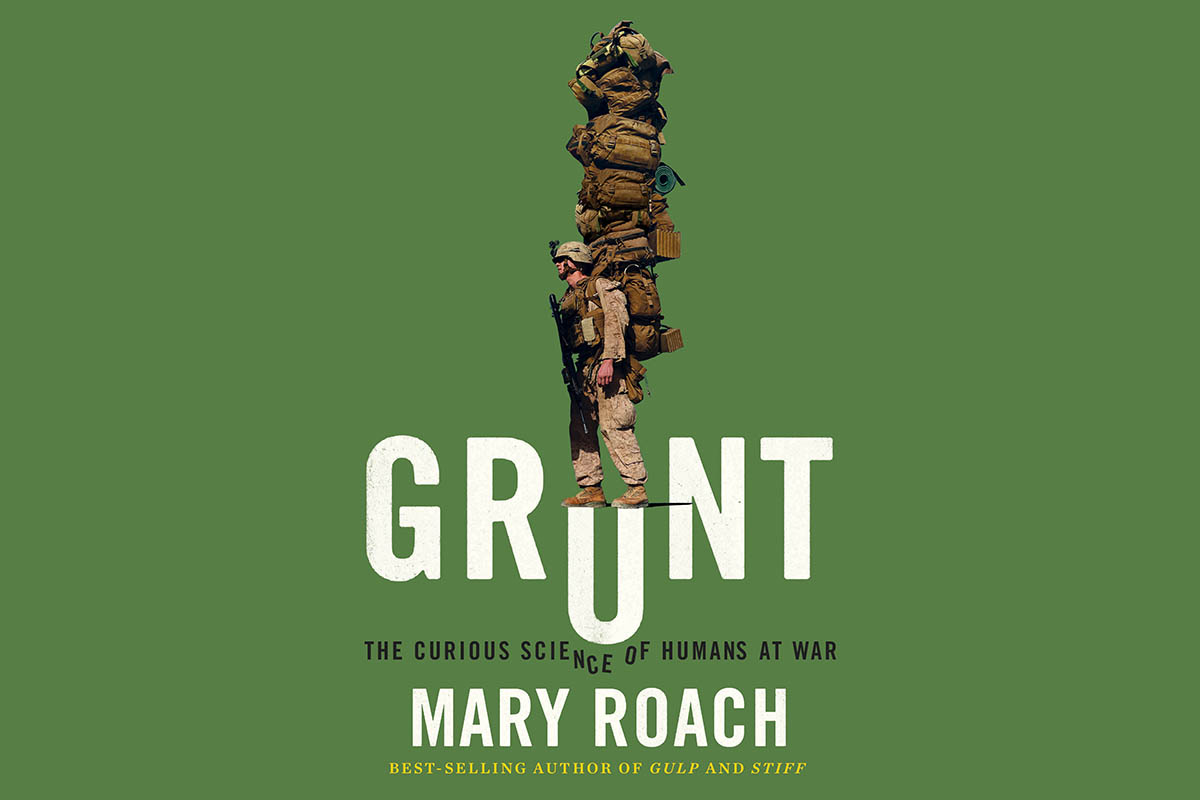
Grunt: The Curious Science of Humans at War, with author Mary Roach!

If you have a sense of humor, Mary Roach is either already your favorite science author or she’s about to be. In this revived live show, chat along in Zoom as we present Mary Roach from our show in 2017 when her book Grunt: The Curious Science of Humans at War had come out. The onstage interview includes:

  • how she gets inspiration for her books
  • mixing up cup holders for rifle holders
  • shark repellent for astronauts
  • tips for asking someone in special forces if he’s ever had diarrhea while on a secret mission
  • why she picks taboo topics and gets personally involved in the research

Presenting never-before-seen footage of the 2017 show (except for those who were actually there)! This revived show will be introduced live, followed by the prerecorded, rerendered show from the theater, but attendees can chat live as they watch!


  • Event Date

    Tuesday, December 28, 2021

  • Start Time

    7:00 pm Pacific

  • End Time

    8:30 pm Pacific

  • Tickets

    Ticket Price: $15 for VIP Supporter
    $5 for General Admission
    FREE tickets also available!

    get tickets
  • Venue

    Online

  • Location

    This event will take place in a Zoom Webinar. Attendees will be able to participate in the chat and submit questions for the live online Q&A with the speaker.

    Attendees will not be visible or audible during the event.

    Register for Zoom event.

  • Available Food & Drink

    Grab an (adult) beverage of your choice and join us!

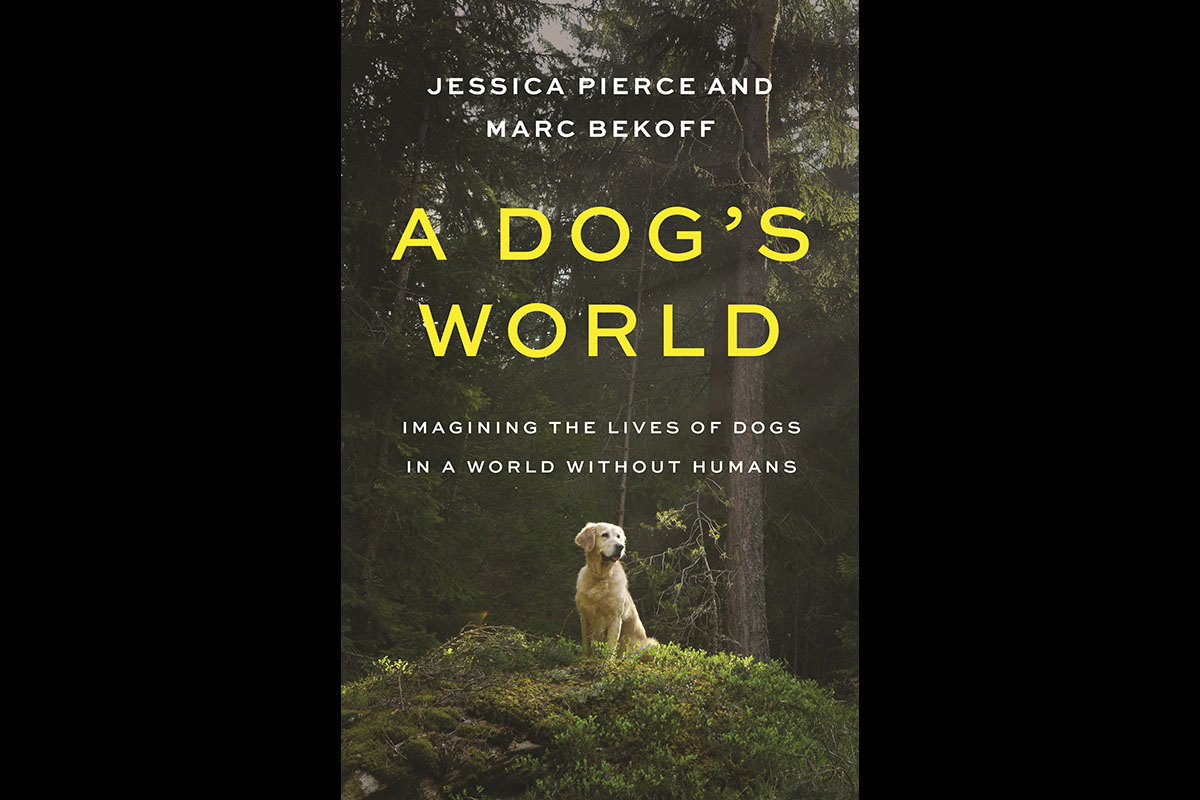
A Dog’s World: Imagining the Lives of Dogs in a World Without Humans

What would happen to dogs if humans simply disappeared? Would dogs be able to survive on their own without us? What might they become without direct human intervention into breeding, arranged playdates at the dog park, regular feedings, and veterinary care?

At this event we will be joined by Jessica Pierce and Marc Bekoff, authors of A Dog’s World. Drawing on biology, ecology, and the latest findings on the lives and behavior of dogs and their wild relatives, they imagine a posthuman future for dogs and reveal how dogs would survive—and possibly even thrive. They will talk about how dogs are quick learners who are highly adaptable and opportunistic, and they offer compelling evidence that dogs already do survive on their own—and could do so in a world without us. Join us to learn how this new and revolutionary perspective can guide how we interact with dogs now.

Jessica Pierce is a faculty affiliate at the Center for Bioethics and Humanities at the University of Colorado Anschutz Medical School. Her books include Run, Spot, Run: The Ethics of Keeping Pets.

Marc Bekoff is professor emeritus of ecology and evolutionary biology at the University of Colorado Boulder. His books include Canine Confidential: Why Dogs Do What They Do. Twitter @MarcBekoff

Get a ~15% discount when you order A Dog’s World: Imagining the Lives of Dogs in a World Without Humans from Broadway Books through December 1, 2021! Use code: STDOGSWORLD15


  • Event Date

    Thursday, November 18, 2021

  • Start Time

    7:00 pm Pacific

  • End Time

    8:30 pm Pacific

  • Tickets

    Ticket Price: $15 for VIP Supporter
    $5 for General Admission
    FREE tickets also available!

    get tickets
  • Venue

    Online

  • Location

    This event will take place in a Zoom Webinar. Attendees will be able to participate in the chat and submit questions for the live online Q&A with the speaker.

    Attendees will not be visible or audible during the event.

    Register for Zoom event.

  • Available Food & Drink

    Grab an (adult) beverage of your choice and join us!

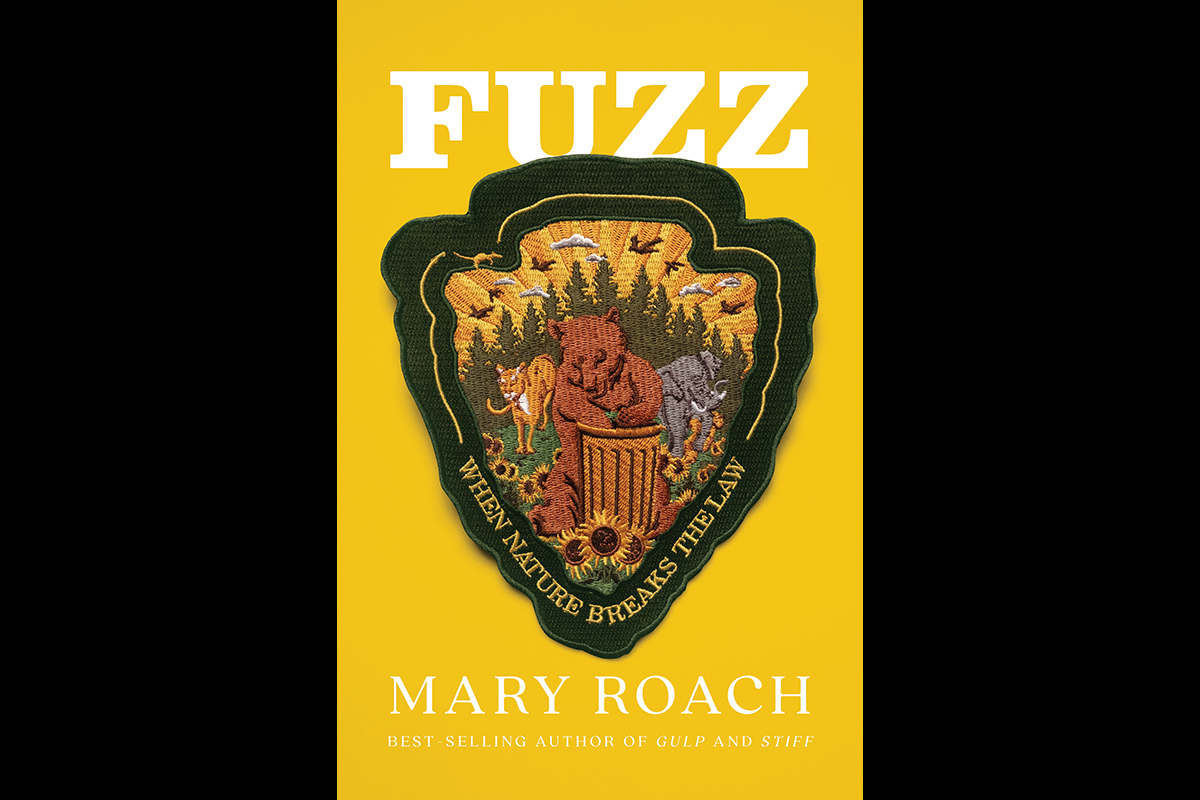
Fuzz: When Nature Breaks the Law

What’s to be done about a jaywalking moose? A bear caught breaking and entering? A murderous tree? Three hundred years ago, animals that broke the law would be assigned legal representation and put on trial. These days the answers are best found not in jurisprudence but in science: the curious science of human-wildlife conflict, a discipline at the crossroads of human behavior and wildlife biology. 

At this very special event we will be joined by New York Times  best-selling author Mary Roach for an entertaining conversation about her new book Fuzz: When Nature Breaks the Law. We can ask about her about the time she tagged along with animal-attack forensics investigators, when she traveled to St. Peter’s Square in the early hours before the pope arrived for Easter Mass to watch how they handle floral display-destroying gulls, what it’s like to taste-tests rat bait, and how to install a vulture effigy.

Combining little-known forensic science and conservation genetics with a motley cast of laser scarecrows, langur impersonators, and trespassing squirrels, Roach reveals as much about humanity as about nature’s lawbreakers. When it comes to “problem” wildlife, she finds, humans are more often the problem—and the solution. Fascinating, witty, and humane, Fuzz offers hope for compassionate coexistence in our ever-expanding human habitat.

Get a ~15% discount when you order Fuzz: When Nature Breaks the Law from Broadway Books through November 5, 2021! Use code: STFuzz15

*****
Mary Roach joined us in 2017 to talk about her book Grunt: The Curious Science of Humans at War and you can hear a recording of that event on our podcast, A Scientist Walks Into A Bar. You can also find this recording on YouTube or by searching for A Scientist Walks Into A Bar in your favorite podcast app and going to Episode 14.

  • Event Date

    Tuesday, October 26, 2021

  • Start Time

    7:00 pm Pacific

  • End Time

    8:30 pm Pacific

  • Tickets

    Ticket Price: $15 for VIP Supporter
    $5 for General Admission
    FREE tickets also available!

    get tickets
  • Venue

    Online

  • Location

    This event will take place in a Zoom Webinar. Attendees will be able to participate in the chat and submit questions for the live online Q&A with the speaker.

    Attendees will not be visible or audible during the event.

    Register for Zoom event.

  • Available Food & Drink

    Grab an (adult) beverage of your choice and join us!

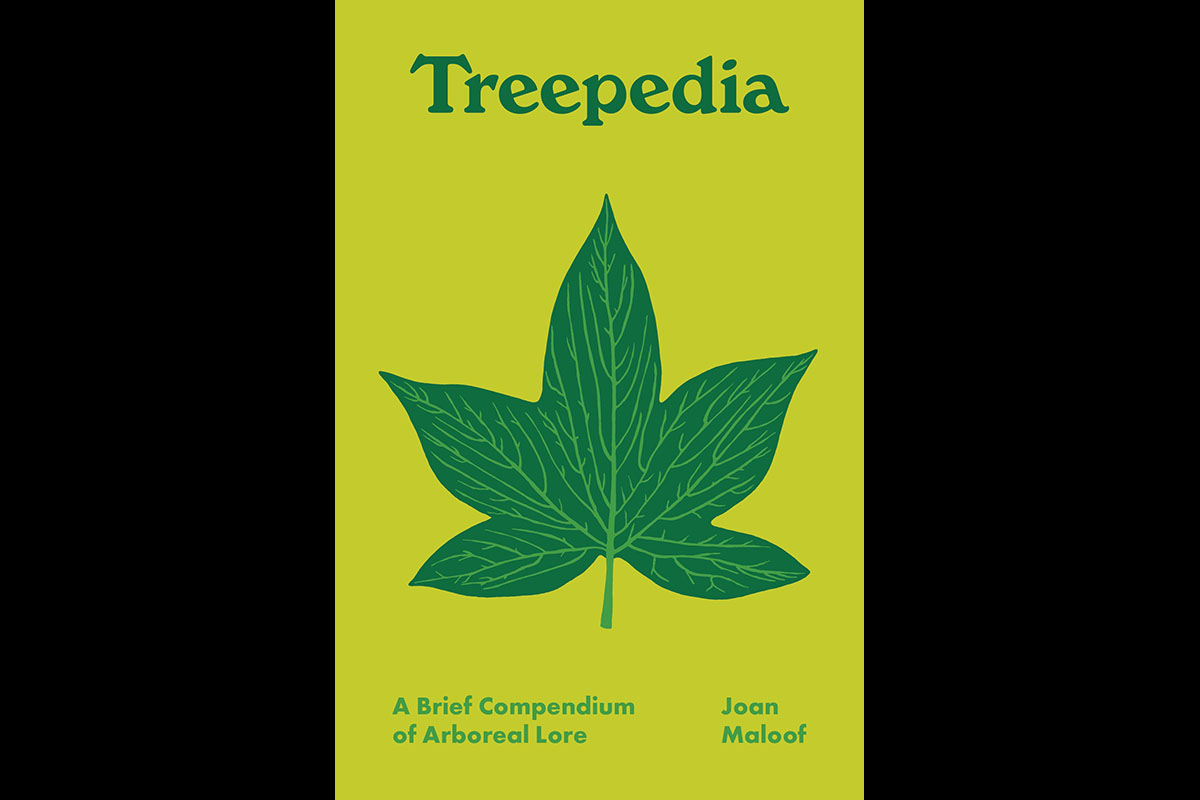
Treepedia: A Brief Compendium of Arboreal Lore

To paraphrase the old saying, the best time to learn about trees was 20 years ago. The second best time to learn about trees is now.

At this Science on Tap we will be joined by Joan Maloof, scientist and author of Treepedia, a new book that is a celebration of all things arboreal. The book is a collection of nearly 100 entries on topics ranging from tree ecology and conservation to the role of trees in religion, literature, art, and movies. During her talk she will describe some of the most exceptional trees, some of the most exceptional forests, and some of the most exceptional tree advocates on the planet. This will be fun and educational look at both the forests and the trees that inspire anyone who has ever enjoyed a walk in the woods.

Joan Maloof the founder and director of the Old-Growth Forest Network, a national organization that works to save threatened forests. She is professor emerita of biological sciences at Salisbury University and her earlier books include Nature’s Temples and Teaching the Trees. Find her on Twitter @OldGrowthFN.

Get a 15% discount when you pre-order Treepedia from Broadway Books through September 15, 2021! Use code: STTreepedia15

  • Event Date

    Thursday, September 9, 2021

  • Start Time

    7:00 pm Pacific

  • End Time

    8:30 pm Pacific

  • Tickets

    Ticket Price: $15 for VIP Supporter
    $5 for General Admission
    FREE tickets also available!

    get tickets
  • Venue

    Online

  • Location

    This event will take place in a Zoom Webinar. Attendees will be able to participate in the chat and submit questions for the live online Q&A with the speaker.

    Attendees will not be visible or audible during the event.

    Register for Zoom event.

  • Available Food & Drink

    Grab an (adult) beverage of your choice and join us!

Hands Up, Don’t Shoot: Policing as a Public Health Crisis

Recent high profile deaths of unarmed people of color have gained widespread national attention, though negative encounters between police and the community are not a new trend. In addition to the acute impacts felt after the more extreme examples of lethal force, how does policing affect the long-term mental, physical, social and structural health and wellbeing of a community as a whole? Recent research aims to define the broader and more nuanced adverse effects that policing can have on population health. 

At this Science on Tap we will be joined by three experts for a panel discussion where we will examine questions such as: why does it matter if we define police interaction as a public health issue? Do the characteristics of a community affect how it is policed, or does the policing affect the community’s characteristics? (Or both?) What can be done to prevent negative outcomes related to policing? 

Dr. Maayan Simckes is an epidemiologist at the Washington State Department of Health. She completed her Masters in Public Health at the Saint Louis College for Public Health and Social Justice and her PhD at the University of Washington in Seattle. Maayan’s doctoral research examined the complex relationship between policing and population health. She is passionate about moving the field of public health toward more equitable and inclusive practices that promote social justice across policies, programs, and systems.

Dr. Sirry Alang is an Associate Professor of Sociology and Health, Medicine and Society at Lehigh University. Her most recent research examines how police brutality shapes health outcomes among communities disproportionately exposed to racialized policing. She frequently contributes to public dialogue on violent and racialized policing with some of her opinions published in media outlets such as the Salon, USA Today, and Union for Concerned Scientists.  

Dr. Hedwig Lee is a Professor of Sociology and Co-Director of the Center for the Study of Race, Ethnicity & Equity at Washington University in St. Louis. She is broadly interested in the social determinants and consequences of population health and health disparities, with a particular focus on the role of structural racism in health inequality.

  • Event Date

    Thursday, September 30, 2021

  • Start Time

    7:00 pm Pacific

  • End Time

    8:30 pm Pacific

  • Tickets

    Ticket Price: $15 for VIP Supporter
    $5 for General Admission
    FREE tickets also available!

    get tickets
  • Venue

    Online

  • Location

    This event will take place in a Zoom Webinar. Attendees will be able to participate in the chat and submit questions for the live online Q&A with the speaker.

    Attendees will not be visible or audible during the event.

    Register for Zoom event.

  • Available Food & Drink

    Grab an (adult) beverage of your choice and join us!
  • Find this event on

As The Crow Flies Part II: Corvid Intelligence, Culture, and Communication


In this sequel to her extremely popular talk on Corvid Behavior, Play, and Funerals, Dr. Kaeli Swift will continue her exploration of the corvid brain to include areas of research on intelligence, culture, and communication. Come learn how crows think, how they relate to each other, and how they solve complex problems in their environments and within their own family groups. 

Crows are everywhere: they are found on nearly every continent and thrive in human dominated environments. They have influenced art and literature throughout history, and whether they inspire love or hate, they have certainly impacted the hearts and minds of the humans who share their space. Because crows are so common, it may be easy to overlook the fact that they are very intelligent and have complex behaviors and social structures, including play, tool use, communal roosting, and being able to recognize specific humans.

Kaeli Swift, PhD, studies crows and other corvids (ravens, jays, and magpies), and will introduce and explain to us the world of these fascinating birds, including, of course, crow funerals. You can find Dr. Swift on Twitter and Instagram @corvidresearch where she talks about crows, corvids, and other wildlife and plays a weekly game called #CrowOrNo to help people learn how to correctly ID and distinguish different kinds of corvids.

*******

The only place you can watch this event live is through registering on Zoom! (It will not be broadcast on Facebook or YouTube.)
Join us on Patreon and get exclusive access to a recording of this event.

  • Event Date

    Thursday, June 24, 2021

  • Start Time

    7:00 pm Pacific

  • End Time

    8:30 pm Pacific

  • Tickets

    Ticket Price: $15

    get tickets
  • Venue

    Online

  • Location

    This event will take place in a Zoom Webinar. Attendees will be able to participate in the chat and submit questions for the live online Q&A with the speaker.

    Attendees will not be visible or audible during the event.

    Register for Zoom event.

  • Available Food & Drink

    Grab an (adult) beverage of your choice and join us!
  • Find this event on

The Menopause Manifesto: Own Your Health with Facts and Feminism

The only thing predictable about menopause is its unpredictability. Factor in widespread misinformation, a lack of research, and the culture of shame around women’s bodies, and it’s no wonder women are unsure what to expect during the menopause transition and beyond.

Menopause is not a disease–it’s a planned change, like puberty. And just like puberty, we should be educated on what’s to come years in advance, rather than the current practice of leaving people on their own with bothersome symptoms and too much conflicting information. Knowing what is happening, why, and what to do about it is both empowering and reassuring.

At this Science on Tap we are pleased to welcome back Dr. Jen Gunter, this time to talk about her upcoming book The Menopause Manifesto. Dr. Jen Gunter is an internationally bestselling author and OB/GYN with more than three decades of experience as a vulvar and vaginal diseases expert. Her TED talk was one of 2020’s Top Ten, and The Guardian calls her “the world’s most famous—and outspoken—gynecologist.” The recipient of the 2020 NAMS Media Award from the North American Menopause Society, she is a columnist for The New York Times and star of the CBC/Amazon Prime series Jensplaining, which humorously debunks medical myths and misinformation. For more on Dr. Gunter, follow @DrJenGunter or visit DrJenGunter.com.

Join us as Dr. Jen debunks misogynistic attitudes and challenges the over-mystification of menopause.

Get a ~15% discount when you order The Menopause Manifesto from Broadway Books through June 10, 2021! Use code: STGUNTER15

Watch a recording Dr. Jen’s Science on Tap event on her book The Vagina Bible from July 2020.

  • Event Date

    Thursday, May 27, 2021

  • Start Time

    7:00 pm Pacific

  • End Time

    8:30 pm Pacific

  • Tickets


    Join our Patreon or make a one-time donation to support our efforts!

    Support Us
  • Venue

    Online

  • Location

    This event will take place in a Zoom Webinar. Attendees will be able to participate in the chat and submit questions for the live online Q&A with the speaker.

    Attendees will not be visible or audible during the event.

    Register for Zoom event.

  • Available Food & Drink

    Grab an (adult) beverage of your choice and join us!
  • Find this event on

The Gut Immune Connection and How it Affects the Brain

From one of today’s leading experts on the emerging science of the microbiome comes a ground-breaking evidence that the gut-microbiome plays a pivotal role in the health crises of the twenty-first century.

At this special Science on Tap we will be joined by gastroenterologist, UCLA professor, and researcher Dr. Emeran Mayer. In his acclaimed book, The Mind-Gut Connection, Dr. Mayer offered evidence of the critical role of the microbiome in neurological and cognitive health, proving once and for all the power and legitimacy of the “mind-body connection.” In his new book The Gut-Immune Connection, he proposes an even more radical paradigm shift: that the gut microbiome is at the center of virtually every disease that defines our 21st-century public health crisis. 

Join us as Dr. Mayer discusses evidence that the “conversation” that takes place between these microbes and our various organs and bodily systems is critical to human health. When that conversation goes awry, we suffer, often becoming seriously ill. Combining clinical experience with up-to-the-minute science, he will discuss the link between alterations to the gut microbiome and cognitive and mental health, as well as the development chronic diseases like diabetes, heart disease, and cancer, as well as susceptibility to infectious diseases like Covid-19.

Get a ~15% discount when you pre-order The Gut-Immune Connection from Broadway Books between now and May 4, 2021! Use code: STMAYER15
(List price $27.99, discounted price $24. Publish date is June 8, 2021.)

This event is being held in collaboration with the annual conference of the Society for Neuroscience Oregon/SW Washington Chapter.

  • Event Date

    Wednesday, April 7, 2021

  • Start Time

    7:00 pm Pacific

  • End Time

    8:30 pm Pacific

  • Tickets


    Join our Patreon or make a one-time donation to support our efforts!

    Support Us
  • Venue

    Online

  • Location

    This event will take place in a Zoom Webinar. Attendees will be able to participate in the chat and submit questions for the live online Q&A with the speaker.

    Attendees will not be visible or audible during the event.

    Register for Zoom event.

  • Available Food & Drink

    Grab an (adult) beverage of your choice and join us!
  • Find this event on

Beloved Beasts: Fighting for Life in an Age of Extinction

History is filled with examples of humans exploiting nature for our benefit, but the industrialization and globalization in the 19th century caused devastation on an unprecedented scale. As we came to realize that many animal species were being pushed to extinction, a movement to protect and conserve animals was born. Early conservation battles included saving charismatic species such as the American bison and bald eagle, and they continue today with current efforts to protect species such as the whooping crane and the black rhinoceros. Organizations such as the Audubon Society and the World Wildlife Fund were founded, and scientists and activists such as Rachel Carson and Aldo Leopold played a vital role in conservation efforts. 

At this Science on Tap we’ll hear about the vibrant history of the modern conservation movement from acclaimed science journalist Michelle Nijhuis. Her new book Beloved Beasts traces the origins and continuation of today’s global effort to defend life on a larger scale. She will discuss some of the heroes and wins, as well as confronting the darker side of conservation that has been long shadowed by racism and colonialism. Join us for a talk that will chart the ways conservation is becoming a movement for the protection of all species—including our own.

Get a ~15% discount when you pre-order Beloved Beasts from Broadway Books between now and May 6, 2021! Use code: STBeasts15

  • Event Date

    Thursday, April 29, 2021

  • Start Time

    7:00 pm Pacific

  • End Time

    8:30 pm Pacific

  • Tickets


    Join our Patreon or make a one-time donation to support our efforts!

    Support Us
  • Venue

    Online

  • Location

    This event will take place in a Zoom Webinar. Attendees will be able to participate in the chat and submit questions for the live online Q&A with the speaker.

    Attendees will not be visible or audible during the event.

    Register for Zoom event.

  • Available Food & Drink

    Grab an (adult) beverage of your choice and join us!
  • Find this event on

Sound Awareness: How Brains Filter, Process, and Interpret Noise

Ever notice that you can tune out background conversation until you hear someone say your name? How the sound of your cats running around at 2am doesn’t bother your sleep, but a strange noise will wake you? Your ears are constantly bombarded by environmental sounds; some are highly relevant, most are probably not. How does our brain know when to ignore certain sounds and when to take notice?  At what point does hearing become listening?  

The brain contains specialized neuronal circuitry in the form of feedback loops used to refine signals so that we can perceive the world and act accordingly. Of the senses, the auditory system is special because it is always ‘on’. To filter out the noise, the auditory brain can manipulate the incoming signal using circuits that enable fine tuning of gain control. 

Join us to explore how brains process sound with Dr. Kirupa Suthakar, postdoctoral research fellow at the National Institutes of Deafness and Other Communication Disorders (NIDCD)/National Institutes of Health (NIH). Kirupa’s work focuses on auditory neuroscience and on the relation between changes in brain circuitry and different forms of hearing loss. In this special ode to noise we’ll take a moment to appreciate the hidden complexity of sound in the world both around and within us. 

This event is held in collaboration with the national conference of the Association for Research in Otolaryngology.

Special note: ASL Interpretation on screen will be provided!

  • Event Date

    Thursday, February 18, 2021

  • Start Time

    7:00 pm Pacific

  • End Time

    8:30 pm Pacific

  • Tickets


    Join our Patreon or make a one-time donation to support our efforts!

    Support Us
  • Venue

    Online

  • Location

    This event will take place in a Zoom Webinar. Attendees will be able to participate in the chat and submit questions for the live online Q&A with the speaker.

    Attendees will not be visible or audible during the event.

    Register for Zoom event.

  • Available Food & Drink

    Grab an (adult) beverage of your choice and join us!
  • Find this event on

NEW DATE! Bird Love: The Family Life of Birds

This event was originally scheduled for March 10, 2021.

Please note: the Zoom link for this event is different than the one for the postponed March event. The link for the March event will NOT work. You will need to register on Zoom for this new event even if you had already registered before. (You can also watch Facebook or YouTube without pre-registering.)

CLICK HERE TO REGISTER ON ZOOM FOR JULY EVENT

********
Birds around the world have an extraordinary range of mating systems. Some species, such as the wattled jacana, rely on males to do all the childcare, while others, such as cuckoos and honeyguides, dump their eggs in the nests of others to raise. For some birds, reciprocal promiscuity pays off: both male and female dunnocks will rear the most chicks by mating with as many partners as possible. For others, long-term monogamy is the only way to ensure their offspring survive. Many male birds employ elaborate tactics to show how sexy they are; they dance, pose, or parade to sell their suitability as a mate. Other birds attract a partner with their building skills: female bowerbirds rate brains above beauty, so males construct elaborate bowers with twig avenues and cleared courtyards to impress them. There is a wide variety of ways birds make sure they find a mate in the first place, and even more ways birds raise and care for their families.

At this Science on Tap we’ll hear from biologist, author, and environmental advocate Dr. Wenfei Tong as she explores all the stages of bird family life, from courtship and nest-building to protecting eggs and raising chicks. She will go through some of the stories included in her book Bird Love and will share some of her stunning photography. Join us for a celebration of the global diversity of avian reproductive strategies.

Watch a video of Dr. Tong’s presentation on her other book Understanding Bird Behavior: A Guide to What Birds Do & Why at Science on Tap in September, 2020.

Buy Bird Love or Understanding Bird Behavior (or both!) directly from Princeton Press and get 30% off!
Use Coupon Code: WTONG
Offer good until August 31, 2021

  • Event Date

    Wednesday, July 14, 2021

  • Start Time

    7:00 pm Pacific

  • End Time

    8:30 pm Pacific

  • Tickets


    Join our Patreon or make a one-time donation to support our efforts!

    Support Us
  • Venue

    Online

  • Location

    This event will take place in a Zoom Webinar. Attendees will be able to participate in the chat and submit questions for the live online Q&A with the speaker.

    Attendees will not be visible or audible during the event.

    Register for Zoom event.

  • Available Food & Drink

    Grab an (adult) beverage of your choice and join us!
  • Find this event on

Brain Chemistry for Lovers

TICKETS $10 and proceeds will go to support both Science on Tap and Portland Chamber Orchestra.

Falling in love is a wonderful experience that has inspired poets, philosophers, and songwriters, and it also means that there’s a lot more action between your ears. Your brain becomes awash in hormones such as dopamine and oxytocin, and those neurochemical changes can have major effects on your behavior. What can neuroscience tell us about what drives infatuation with a new lover? How does the brain sort out pleasure and discomfort? What science drives our decisions to stay with one person for life or go from one lover to another? 

Just in time for Valentine’s Day, this special Science on Tap is a musical collaboration and fundraiser for the Portland Chamber Orchestra. This multi-media performance is the brainchild of Grammy nominated vocalist Valerie Day and was inspired by a National Geographic article about love and the chemicals in the brain. Featuring archival footage of the sold-out Brain Chemistry for Lovers performance held during the 2009 season of the OHSU Brain Institute’s Brain Awareness Lecture Series, this event will also feature a live Q&A with Dr. Larry Sherman, neuroscientist at OHSU. Join us for a celebration of love with both song and science to learn more about how we love, what we love, and who we love.

  • Event Date

    Wednesday, February 10, 2021

  • Start Time

    7:00 pm Pacific

  • End Time

    8:30 pm Pacific

  • Tickets

    Ticket Price: $10

    get tickets
  • Venue

    Online

  • Location

    This event will take place in a Zoom Webinar. Attendees will be able to participate in the chat and submit questions for the live online Q&A with the speaker.

    Attendees will not be visible or audible during the event.

    Register for Zoom event.

  • Available Food & Drink

    Grab an (adult) beverage of your choice and join us!
  • Find this event on

Discoveries in Neuroscience: New Treatments for Mental Illness

Mental illness is very common: at least one in five Americans live with conditions such as depression, anxiety, obsessive compulsive disorder (OCD), or post traumatic stress disorder (PTSD). However, while many medications and behavioral therapies are available, treatment resistance is common, and side effects can be problematic, resulting in chronic suffering for millions of individuals.

Recent advances in neuroscience are changing the way scientists understand mental illness, and offer new hope for the development of safe and effective treatments. For example, Transcranial Magnetic Stimulation (TMS) is a non-invasive, non-painful, outpatient treatment that uses magnetic pulses to therapeutically stimulate specific brain circuits. Results from recent studies indicate that TMS may arguably be the safest and most effective treatment for depression, even in highly treatment-resistant individuals.

At this Science on Tap we’ll be joined by Stanford interventional psychiatrist and neuroscience expert Octavio Choi, MD, PhD, who will describe some of these emerging treatments for mental illness. He’ll look at some of the structures in the brain associated with conditions such as depression and explain how new therapies such as TMS can be used to treat them effectively. Join us to learn about these new scientific discoveries that can improve the quality of life for millions of people who live with mental illness.

  • Event Date

    Thursday, March 25, 2021

  • Start Time

    7:00 pm Pacific

  • End Time

    8:30 pm Pacific

  • Tickets


    Join our Patreon or make a one-time donation to support our efforts!

    Support Us
  • Venue

    Online

  • Location

    This event will take place in a Zoom Webinar. Attendees will be able to participate in the chat and submit questions for the live online Q&A with the speaker.

    Attendees will not be visible or audible during the event.

    Register for Zoom event.

  • Available Food & Drink

    Grab an (adult) beverage of your choice and join us!
  • Find this event on

The Doctors Blackwell: How Two Pioneering Sisters Brought Medicine to Women and Women to Medicine

It was reported in 2019 that for the first time the majority of American medical students were women, but in the 1840s there were zero. Then came Elizabeth and Emily Blackwell who, in quick succession, became the first and third women, respectively, to earn medical degrees in the U.S. The Blackwells’ ambitions extended far beyond themselves and in 1857 they founded the very first hospital staffed by women. They went on to care for patients, to interact with some of the most notable figures of their era, and to lead the way for generations of doctors who came after them. And as Emily once reminded Elizabeth, the point was “to be not the first female M.D.s, but the first of legions.”

But it was not easy for them. Attempts by both sisters to get into medical colleges were either denied or met with toothless acceptance—the faculty at Geneva Medical College left the ultimate decision of whether to accept Elizabeth up to the students, who only agreed as a sort of fraternity prank. Elizabeth’s entry into this previously all-male profession was called “a farce.” They made national and international news when they earned their degrees and began practicing, and were consistently trailed by whispers and curious looks. They were written up in the New York Times; mocked in Punch, the London satirical paper; and they and their work were profiled in leading medical and women’s journals. And yet, they persisted. 

At this Science on Tap, historian and author Janice P. Nimura will talk about her new book The Doctors Blackwell that celebrates two complicated pioneers who exploded the limits of possibility. As Elizabeth predicted, “a hundred years hence, women will not be what they are now.”

Buy The Doctors Blackwell at Broadway Books and get a 15% discount through February 10, 2021!
Use code: STBlackwell15

  • Event Date

    Thursday, January 28, 2021

  • Start Time

    7:00 pm Pacific

  • End Time

    8:00 pm Pacific

  • Tickets


    Join our Patreon or make a one-time donation to support our efforts!

    Support Us
  • Venue

    Online

  • Location

    This event will take place in a Zoom Webinar. Attendees will be able to participate in the chat and submit questions for the live online Q&A with the speaker.

    Attendees will not be visible or audible during the event.

    Register for Zoom event.

  • Available Food & Drink

    Grab an (adult) beverage of your choice and join us!
  • Find this event on

Music and the Aging Brain – on the Portland Music Stream

Science on Tap is joining in with the Portland Music Stream brought to you by the Alberta Rose Theatre!

BUY TICKETS HERE!
$15 for Live Stream
$40 for limited number of LIVE IN-PERSON tickets*

$100 to purchase a full season subscription for Season 5 of the Portland Music Stream and get access to all 20 music shows of this season! 

Whether you buy a single ticket or the full subscription you will have access to the live event and the recorded event on-demand**. Your ticket or subscription will help keep a vital venue alive, musicians able to perform, and foster community in this time of social distancing. 

EVENT DESCRIPTION:

Our brains undergo numerous changes that affect memory, motor, and sensory functions as we age. Many of these changes are amplified in diseases like Alzheimer’s and other forms of dementia. Could music limit the effects of aging and neurodegenerative diseases? 

At this event, learn from Dr. Larry Sherman, a musician and Professor of Neuroscience at the Oregon Health & Science University, and singer/songwriter Naomi LaViolette as they explore how listening, practicing, and performing music influence the brain, and how these activities could impact brain aging and disease. They will also discuss Naomi’s work as a pianist, vocalist, arranger, and composer with Steven Goodwin, who suffers from Alzheimer’s, and the Saving His Music project, which has received prominent coverage in national and local news. Join us and enjoy a multi-media presentation that combines live music and visuals with discussions about cutting edge science. The presenters will be performing live music ranging from well-known composers and original pieces by Ms. LaViolette and Steven Goodwin.

Questions can be submitted by text through the Portland Music Stream and we will have a live Q&A at the end of the event.


*There will also be a limited number of IN-PERSON STUDIO AUDIENCE tickets will be sold for this event.  Everyone who attends must adhere to strict social distancing and masking guidelines. There will be no eating or drinking and use of the facilities will be limited. 

**The recording of this event will NOT be included on our YouTube channel and will only be available to those who purchase tickets or season subscriptions.

  • Event Date

    Wednesday, October 14, 2020

  • Start Time

    7:00 pm Pacific

  • End Time

    8:30 pm Pacific

  • Tickets

    get tickets
  • Find this event on

A Good Time To Be Born: How Science and Public Health Gave Children a Future

Only one hundred years ago, in even the world’s wealthiest nations, children died in great numbers―of diarrhea, diphtheria, and measles, of scarlet fever and tuberculosis. Not even the powerful and the wealthy could escape, and for children of the poor, immigrants, enslaved people and their descendants, the chances of dying were far worse.

The steady beating back of infant and child mortality is one of our greatest human achievements. At this Science on Tap, Perri Klass, MD, will talk about her new book A Good Time To Be Born: How Science and Public Health Gave Children a Future and the fight against child mortality that transformed the way we live. She will be joined by David Oshinsky, PhD, author of the Pulitzer Prize winning book Polio: An American Story and Professor in the Department of Medicine at NYU Grossman School of Medicine. She will discuss the science and history of some of these medical breakthroughs that have saved countless children’s lives, and will pay tribute to scientists, public health advocates, and groundbreaking women doctors who brought new scientific ideas about sanitation and vaccination to families.

Join us to learn about how these scientists, healers, reformers, and parents who rewrote the human experience so that―for the first time in human memory―early death is now the exception rather than the rule.

  • Event Date

    Thursday, November 12, 2020

  • Start Time

    7:00 pm Pacific

  • End Time

    8:15 pm Pacific

  • Tickets


    Join our Patreon or make a one-time donation to support our efforts!

    Support Us
  • Venue

    Online

  • Location

    This event will take place in a Zoom Webinar. Attendees will be able to participate in the chat and submit questions for the live online Q&A with the speaker.

    Attendees will not be visible or audible during the event.

    Register for Zoom event.

  • Available Food & Drink

    Grab an (adult) beverage of your choice and join us!
  • Find this event on

Supercomputing and Systems Biology: A New Hypothesis for COVID-19

(Note: this event is on a WEDNESDAY night.)

COVID-19 is largely known for causing respiratory distress, though people have also experienced a number of unusual symptoms such as heart arrhythmias, loss of smell, and discolored lesions on toes. There is still so much unknown about this disease and many scientists and labs are moving quickly to understand how COVID-19 impacts the body and causes such an unusual constellation of symptoms.

You may have seen in your social media feeds in the past few weeks that a recent paper has proposed a new hypothesis and may provide some insight. Using the world’s second-fastest computer located at Oak Ridge National Laboratory, more than 40,000 genes from 17,000 genetic samples were analyzed and a new picture is beginning to form: COVID-19 may cause a disruption in the bradykinin system in the body which may then lead to blood and fluid leaking throughout organs and tissues. It’s still a hypothesis, but if it is accurate, this paper suggests that there may be at least 10 potential FDA-approved treatments that could be used to treat numerous COVID-19 symptoms.

At this Science on Tap we will be joined by Dr. Daniel Jacobson, lead researcher and chief scientist for computational systems biology at ORNL. He will explain the bradykinin hypothesis in simple terms and describe how it could be used in future COVID-19 treatment. 

Not only is this an exciting new development for dealing with this pandemic, but it’s an exciting opportunity to learn how science works in real-time.

  • Event Date

    Wednesday, September 16, 2020

  • Start Time

    7:00 pm Pacific

  • End Time

    8:15 pm Pacific

  • Tickets


    Join our Patreon or make a one-time donation to support our efforts!

    Support Us
  • Venue

    Online

  • Location

    This event will take place in a Zoom Webinar. Attendees will be able to participate in the chat and submit questions for the live online Q&A with the speaker.

    Attendees will not be visible or audible during the event.

    Register for Zoom event.

  • Available Food & Drink

    Grab an (adult) beverage of your choice and join us!
  • Find this event on

I’m On the Front Lines of COVID-19: Ask Me Anything (Part 2)

Here’s another chance to ask more COVID-19 questions and get answers from experts in public health and emergency medicine! This is a follow-up to our event held on August 27 and will once again be dedicated entirely to Q&A. The audience will be invited to ask questions about the current Coronavirus pandemic and get answers in real time.

Joining us for a second time, our experts are:

Maayan Simckes, PhD, MPH is an epidemiologist at Washington State Department of Health. She has been in COVID-19 Incident Management Team since January in a range of roles related to case and contact investigations. She also oversees training for all case and contact investigators working with Department of Health.

Guy Shochat, MD is a Professor and emergency care physician at the University of California San Francisco. His areas of special interest include managing emergency conditions that affect the airways and his research includes gathering data on emergency intubation. He also manages the electronic health record for the UCSF emergency department.

Questions can be submitted in advance by emailing info@scienceontaporwa.org — please use the subject “COVID Question.” Questions can also be submitted live during the event through text chat in Zoom and on Facebook, and the Q&A will be moderated by our host.

Statements during the event by Dr. Simckes and Dr. Shochat are based on their own views and experiences. Their comments do not represent the views of their respective agencies.

  • Event Date

    Thursday, October 22, 2020

  • Start Time

    7:00 pm Pacific

  • End Time

    8:30 pm Pacific

  • Tickets


    Join our Patreon or make a one-time donation to support our efforts!

    Support Us
  • Venue

    Online

  • Location

    This event will take place in a Zoom Webinar. Attendees will be able to participate in the chat and submit questions for the live online Q&A with the speaker.

    Attendees will not be visible or audible during the event.

    Register for Zoom event.

  • Available Food & Drink

    Grab an (adult) beverage of your choice and join us!
  • Find this event on

The Neuroscience of Real Life Monsters: Psychopaths, CEOs, and Politicians

Note: This event is now free — no tickets required!
Note 2: Start time is 7:00pm PACIFIC

Just in time for the election!

Why do some people live lawful lives, while others gravitate toward repeated criminal behavior? Do people choose to be moral or immoral, or is morality simply a genetically inherited function of the brain? Research suggests that psychopathy as a biological condition explained by defective neural circuits that mediate empathy, but what does that mean when neuroscience is used as evidence in criminal court? How can understanding neuroscience give us an insight into the actions and behaviors of our political leaders?

Forensic psychiatrist Dr. Octavio Choi will explore how emerging neuroscience challenges long-held assumptions underlying the basis—and punishment—of criminal behavior.

  • Event Date

    Thursday, October 29, 2020

  • Start Time

    7:00 pm Pacific

  • End Time

    8:30 pm Pacific

  • Tickets


    Join our Patreon or make a one-time donation to support our efforts!

    Support Us
  • Venue

    Online

  • Location

    This event will take place in a Zoom Webinar. Attendees will be able to participate in the chat and submit questions for the live online Q&A with the speaker.

    Attendees will not be visible or audible during the event.

    Register for Zoom event.

  • Available Food & Drink

    Grab an (adult) beverage of your choice and join us!
  • Find this event on